Compare commits
No commits in common. "master" and "master-0d7f04b" have entirely different histories.
master
...
master-0d7
@ -1,12 +0,0 @@
|
|||||||
BasedOnStyle: Chromium
|
|
||||||
UseTab: Never
|
|
||||||
IndentWidth: 4
|
|
||||||
TabWidth: 4
|
|
||||||
AllowShortIfStatementsOnASingleLine: false
|
|
||||||
ColumnLimit: 0
|
|
||||||
AccessModifierOffset: -4
|
|
||||||
NamespaceIndentation: All
|
|
||||||
FixNamespaceComments: false
|
|
||||||
AlignAfterOpenBracket: true
|
|
||||||
AlignConsecutiveAssignments: true
|
|
||||||
IndentCaseLabels: true
|
|
||||||
10
.clang-tidy
@ -1,10 +0,0 @@
|
|||||||
Checks: >
|
|
||||||
modernize-make-shared,
|
|
||||||
modernize-use-nullptr,
|
|
||||||
modernize-use-override,
|
|
||||||
modernize-pass-by-value,
|
|
||||||
modernize-return-braced-init-list,
|
|
||||||
modernize-deprecated-headers,
|
|
||||||
HeaderFilterRegex: '^$'
|
|
||||||
WarningsAsErrors: ''
|
|
||||||
FormatStyle: none
|
|
||||||
73
.github/ISSUE_TEMPLATE/bug_report.yml
vendored
@ -1,73 +0,0 @@
|
|||||||
name: 🐞 Bug Report
|
|
||||||
description: Report a bug or unexpected behavior
|
|
||||||
title: "[Bug] "
|
|
||||||
labels: ["bug"]
|
|
||||||
body:
|
|
||||||
- type: markdown
|
|
||||||
attributes:
|
|
||||||
value: |
|
|
||||||
Please use this template and include as many details as possible to help us reproduce and fix the issue.
|
|
||||||
- type: textarea
|
|
||||||
id: commit
|
|
||||||
attributes:
|
|
||||||
label: Git commit
|
|
||||||
description: Which commit are you trying to compile?
|
|
||||||
placeholder: |
|
|
||||||
$git rev-parse HEAD
|
|
||||||
40a6a8710ec15b1b5db6b5a098409f6bc8f654a4
|
|
||||||
validations:
|
|
||||||
required: true
|
|
||||||
- type: input
|
|
||||||
id: os
|
|
||||||
attributes:
|
|
||||||
label: Operating System & Version
|
|
||||||
placeholder: e.g. “Ubuntu 22.04”, “Windows 11 23H2”, “macOS 14.3”
|
|
||||||
validations:
|
|
||||||
required: true
|
|
||||||
- type: dropdown
|
|
||||||
id: backends
|
|
||||||
attributes:
|
|
||||||
label: GGML backends
|
|
||||||
description: Which GGML backends do you know to be affected?
|
|
||||||
options: [CPU, CUDA, HIP, Metal, Musa, SYCL, Vulkan, OpenCL]
|
|
||||||
multiple: true
|
|
||||||
validations:
|
|
||||||
required: true
|
|
||||||
- type: input
|
|
||||||
id: cmd_arguments
|
|
||||||
attributes:
|
|
||||||
label: Command-line arguments used
|
|
||||||
placeholder: The full command line you ran (with all flags)
|
|
||||||
validations:
|
|
||||||
required: true
|
|
||||||
- type: textarea
|
|
||||||
id: steps_to_reproduce
|
|
||||||
attributes:
|
|
||||||
label: Steps to reproduce
|
|
||||||
placeholder: A step-by-step list of what you did
|
|
||||||
validations:
|
|
||||||
required: true
|
|
||||||
- type: textarea
|
|
||||||
id: expected_behavior
|
|
||||||
attributes:
|
|
||||||
label: What you expected to happen
|
|
||||||
placeholder: Describe the expected behavior or result
|
|
||||||
validations:
|
|
||||||
required: true
|
|
||||||
- type: textarea
|
|
||||||
id: actual_behavior
|
|
||||||
attributes:
|
|
||||||
label: What actually happened
|
|
||||||
placeholder: Describe what you saw instead (errors, logs, crash, etc.)
|
|
||||||
validations:
|
|
||||||
required: true
|
|
||||||
- type: textarea
|
|
||||||
id: logs_and_errors
|
|
||||||
attributes:
|
|
||||||
label: Logs / error messages / stack trace
|
|
||||||
placeholder: Paste complete logs or error output
|
|
||||||
- type: textarea
|
|
||||||
id: additional_info
|
|
||||||
attributes:
|
|
||||||
label: Additional context / environment details
|
|
||||||
placeholder: e.g. CPU model, GPU, RAM, model file versions, quantization type, etc.
|
|
||||||
33
.github/ISSUE_TEMPLATE/feature_request.yml
vendored
@ -1,33 +0,0 @@
|
|||||||
name: 💡 Feature Request
|
|
||||||
description: Suggest a new feature or improvement
|
|
||||||
title: "[Feature] "
|
|
||||||
labels: ["enhancement"]
|
|
||||||
body:
|
|
||||||
- type: markdown
|
|
||||||
attributes:
|
|
||||||
value: |
|
|
||||||
Thank you for suggesting an improvement! Please fill in the fields below.
|
|
||||||
- type: input
|
|
||||||
id: summary
|
|
||||||
attributes:
|
|
||||||
label: Feature Summary
|
|
||||||
placeholder: A one-line summary of the feature you’d like
|
|
||||||
validations:
|
|
||||||
required: true
|
|
||||||
- type: textarea
|
|
||||||
id: description
|
|
||||||
attributes:
|
|
||||||
label: Detailed Description
|
|
||||||
placeholder: What problem does this solve? How do you expect it to work?
|
|
||||||
validations:
|
|
||||||
required: true
|
|
||||||
- type: textarea
|
|
||||||
id: alternatives
|
|
||||||
attributes:
|
|
||||||
label: Alternatives you considered
|
|
||||||
placeholder: Any alternative designs or workarounds you tried
|
|
||||||
- type: textarea
|
|
||||||
id: additional_context
|
|
||||||
attributes:
|
|
||||||
label: Additional context
|
|
||||||
placeholder: Any extra information (use cases, related functionalities, constraints)
|
|
||||||
306
.github/workflows/build.yml
vendored
@ -4,36 +4,17 @@ on:
|
|||||||
workflow_dispatch: # allows manual triggering
|
workflow_dispatch: # allows manual triggering
|
||||||
inputs:
|
inputs:
|
||||||
create_release:
|
create_release:
|
||||||
description: "Create new release"
|
description: 'Create new release'
|
||||||
required: true
|
required: true
|
||||||
type: boolean
|
type: boolean
|
||||||
push:
|
push:
|
||||||
branches:
|
branches:
|
||||||
- master
|
- master
|
||||||
- ci
|
- ci
|
||||||
paths:
|
paths: ['.github/workflows/**', '**/CMakeLists.txt', '**/Makefile', '**/*.h', '**/*.hpp', '**/*.c', '**/*.cpp', '**/*.cu']
|
||||||
[
|
|
||||||
".github/workflows/**",
|
|
||||||
"**/CMakeLists.txt",
|
|
||||||
"**/Makefile",
|
|
||||||
"**/*.h",
|
|
||||||
"**/*.hpp",
|
|
||||||
"**/*.c",
|
|
||||||
"**/*.cpp",
|
|
||||||
"**/*.cu",
|
|
||||||
]
|
|
||||||
pull_request:
|
pull_request:
|
||||||
types: [opened, synchronize, reopened]
|
types: [opened, synchronize, reopened]
|
||||||
paths:
|
paths: ['**/CMakeLists.txt', '**/Makefile', '**/*.h', '**/*.hpp', '**/*.c', '**/*.cpp', '**/*.cu']
|
||||||
[
|
|
||||||
"**/CMakeLists.txt",
|
|
||||||
"**/Makefile",
|
|
||||||
"**/*.h",
|
|
||||||
"**/*.hpp",
|
|
||||||
"**/*.c",
|
|
||||||
"**/*.cpp",
|
|
||||||
"**/*.cu",
|
|
||||||
]
|
|
||||||
|
|
||||||
env:
|
env:
|
||||||
BRANCH_NAME: ${{ github.head_ref || github.ref_name }}
|
BRANCH_NAME: ${{ github.head_ref || github.ref_name }}
|
||||||
@ -49,6 +30,7 @@ jobs:
|
|||||||
with:
|
with:
|
||||||
submodules: recursive
|
submodules: recursive
|
||||||
|
|
||||||
|
|
||||||
- name: Dependencies
|
- name: Dependencies
|
||||||
id: depends
|
id: depends
|
||||||
run: |
|
run: |
|
||||||
@ -60,37 +42,14 @@ jobs:
|
|||||||
run: |
|
run: |
|
||||||
mkdir build
|
mkdir build
|
||||||
cd build
|
cd build
|
||||||
cmake .. -DGGML_AVX2=ON -DSD_BUILD_SHARED_LIBS=ON
|
cmake ..
|
||||||
cmake --build . --config Release
|
cmake --build . --config Release
|
||||||
|
|
||||||
- name: Get commit hash
|
#- name: Test
|
||||||
id: commit
|
#id: cmake_test
|
||||||
if: ${{ ( github.event_name == 'push' && github.ref == 'refs/heads/master' ) || github.event.inputs.create_release == 'true' }}
|
#run: |
|
||||||
uses: pr-mpt/actions-commit-hash@v2
|
#cd build
|
||||||
|
#ctest --verbose --timeout 900
|
||||||
- name: Fetch system info
|
|
||||||
id: system-info
|
|
||||||
run: |
|
|
||||||
echo "CPU_ARCH=`uname -m`" >> "$GITHUB_OUTPUT"
|
|
||||||
echo "OS_NAME=`lsb_release -s -i`" >> "$GITHUB_OUTPUT"
|
|
||||||
echo "OS_VERSION=`lsb_release -s -r`" >> "$GITHUB_OUTPUT"
|
|
||||||
echo "OS_TYPE=`uname -s`" >> "$GITHUB_OUTPUT"
|
|
||||||
|
|
||||||
- name: Pack artifacts
|
|
||||||
id: pack_artifacts
|
|
||||||
if: ${{ ( github.event_name == 'push' && github.ref == 'refs/heads/master' ) || github.event.inputs.create_release == 'true' }}
|
|
||||||
run: |
|
|
||||||
cp ggml/LICENSE ./build/bin/ggml.txt
|
|
||||||
cp LICENSE ./build/bin/stable-diffusion.cpp.txt
|
|
||||||
zip -j sd-${{ env.BRANCH_NAME }}-${{ steps.commit.outputs.short }}-bin-${{ steps.system-info.outputs.OS_TYPE }}-${{ steps.system-info.outputs.OS_NAME }}-${{ steps.system-info.outputs.OS_VERSION }}-${{ steps.system-info.outputs.CPU_ARCH }}.zip ./build/bin/*
|
|
||||||
|
|
||||||
- name: Upload artifacts
|
|
||||||
if: ${{ ( github.event_name == 'push' && github.ref == 'refs/heads/master' ) || github.event.inputs.create_release == 'true' }}
|
|
||||||
uses: actions/upload-artifact@v4
|
|
||||||
with:
|
|
||||||
name: sd-${{ env.BRANCH_NAME }}-${{ steps.commit.outputs.short }}-bin-${{ steps.system-info.outputs.OS_TYPE }}-${{ steps.system-info.outputs.OS_NAME }}-${{ steps.system-info.outputs.OS_VERSION }}-${{ steps.system-info.outputs.CPU_ARCH }}.zip
|
|
||||||
path: |
|
|
||||||
sd-${{ env.BRANCH_NAME }}-${{ steps.commit.outputs.short }}-bin-${{ steps.system-info.outputs.OS_TYPE }}-${{ steps.system-info.outputs.OS_NAME }}-${{ steps.system-info.outputs.OS_VERSION }}-${{ steps.system-info.outputs.CPU_ARCH }}.zip
|
|
||||||
|
|
||||||
macOS-latest-cmake:
|
macOS-latest-cmake:
|
||||||
runs-on: macos-latest
|
runs-on: macos-latest
|
||||||
@ -104,8 +63,9 @@ jobs:
|
|||||||
|
|
||||||
- name: Dependencies
|
- name: Dependencies
|
||||||
id: depends
|
id: depends
|
||||||
|
continue-on-error: true
|
||||||
run: |
|
run: |
|
||||||
brew install zip
|
brew update
|
||||||
|
|
||||||
- name: Build
|
- name: Build
|
||||||
id: cmake_build
|
id: cmake_build
|
||||||
@ -113,59 +73,30 @@ jobs:
|
|||||||
sysctl -a
|
sysctl -a
|
||||||
mkdir build
|
mkdir build
|
||||||
cd build
|
cd build
|
||||||
cmake .. -DGGML_AVX2=ON -DCMAKE_OSX_ARCHITECTURES="arm64;x86_64" -DSD_BUILD_SHARED_LIBS=ON
|
cmake ..
|
||||||
cmake --build . --config Release
|
cmake --build . --config Release
|
||||||
|
|
||||||
- name: Get commit hash
|
#- name: Test
|
||||||
id: commit
|
#id: cmake_test
|
||||||
if: ${{ ( github.event_name == 'push' && github.ref == 'refs/heads/master' ) || github.event.inputs.create_release == 'true' }}
|
#run: |
|
||||||
uses: pr-mpt/actions-commit-hash@v2
|
#cd build
|
||||||
|
#ctest --verbose --timeout 900
|
||||||
- name: Fetch system info
|
|
||||||
id: system-info
|
|
||||||
run: |
|
|
||||||
echo "CPU_ARCH=`uname -m`" >> "$GITHUB_OUTPUT"
|
|
||||||
echo "OS_NAME=`sw_vers -productName`" >> "$GITHUB_OUTPUT"
|
|
||||||
echo "OS_VERSION=`sw_vers -productVersion`" >> "$GITHUB_OUTPUT"
|
|
||||||
echo "OS_TYPE=`uname -s`" >> "$GITHUB_OUTPUT"
|
|
||||||
|
|
||||||
- name: Pack artifacts
|
|
||||||
id: pack_artifacts
|
|
||||||
if: ${{ ( github.event_name == 'push' && github.ref == 'refs/heads/master' ) || github.event.inputs.create_release == 'true' }}
|
|
||||||
run: |
|
|
||||||
cp ggml/LICENSE ./build/bin/ggml.txt
|
|
||||||
cp LICENSE ./build/bin/stable-diffusion.cpp.txt
|
|
||||||
zip -j sd-${{ env.BRANCH_NAME }}-${{ steps.commit.outputs.short }}-bin-${{ steps.system-info.outputs.OS_TYPE }}-${{ steps.system-info.outputs.OS_NAME }}-${{ steps.system-info.outputs.OS_VERSION }}-${{ steps.system-info.outputs.CPU_ARCH }}.zip ./build/bin/*
|
|
||||||
|
|
||||||
- name: Upload artifacts
|
|
||||||
if: ${{ ( github.event_name == 'push' && github.ref == 'refs/heads/master' ) || github.event.inputs.create_release == 'true' }}
|
|
||||||
uses: actions/upload-artifact@v4
|
|
||||||
with:
|
|
||||||
name: sd-${{ env.BRANCH_NAME }}-${{ steps.commit.outputs.short }}-bin-${{ steps.system-info.outputs.OS_TYPE }}-${{ steps.system-info.outputs.OS_NAME }}-${{ steps.system-info.outputs.OS_VERSION }}-${{ steps.system-info.outputs.CPU_ARCH }}.zip
|
|
||||||
path: |
|
|
||||||
sd-${{ env.BRANCH_NAME }}-${{ steps.commit.outputs.short }}-bin-${{ steps.system-info.outputs.OS_TYPE }}-${{ steps.system-info.outputs.OS_NAME }}-${{ steps.system-info.outputs.OS_VERSION }}-${{ steps.system-info.outputs.CPU_ARCH }}.zip
|
|
||||||
|
|
||||||
windows-latest-cmake:
|
windows-latest-cmake:
|
||||||
runs-on: windows-2025
|
runs-on: windows-latest
|
||||||
|
|
||||||
env:
|
|
||||||
VULKAN_VERSION: 1.4.328.1
|
|
||||||
|
|
||||||
strategy:
|
strategy:
|
||||||
matrix:
|
matrix:
|
||||||
include:
|
include:
|
||||||
- build: "noavx"
|
- build: 'noavx'
|
||||||
defines: "-DGGML_NATIVE=OFF -DGGML_AVX=OFF -DGGML_AVX2=OFF -DGGML_FMA=OFF -DSD_BUILD_SHARED_LIBS=ON"
|
defines: '-DGGML_AVX=OFF -DGGML_AVX2=OFF -DGGML_FMA=OFF'
|
||||||
- build: "avx2"
|
- build: 'avx2'
|
||||||
defines: "-DGGML_NATIVE=OFF -DGGML_AVX2=ON -DSD_BUILD_SHARED_LIBS=ON"
|
defines: '-DGGML_AVX2=ON'
|
||||||
- build: "avx"
|
- build: 'avx'
|
||||||
defines: "-DGGML_NATIVE=OFF -DGGML_AVX=ON -DGGML_AVX2=OFF -DSD_BUILD_SHARED_LIBS=ON"
|
defines: '-DGGML_AVX2=OFF'
|
||||||
- build: "avx512"
|
- build: 'avx512'
|
||||||
defines: "-DGGML_NATIVE=OFF -DGGML_AVX512=ON -DGGML_AVX=ON -DGGML_AVX2=ON -DSD_BUILD_SHARED_LIBS=ON"
|
defines: '-DGGML_AVX512=ON'
|
||||||
- build: "cuda12"
|
|
||||||
defines: "-DSD_CUDA=ON -DSD_BUILD_SHARED_LIBS=ON -DCMAKE_CUDA_ARCHITECTURES='61;70;75;80;86;89;90;100;120'"
|
|
||||||
- build: 'vulkan'
|
|
||||||
defines: "-DSD_VULKAN=ON -DSD_BUILD_SHARED_LIBS=ON"
|
|
||||||
steps:
|
steps:
|
||||||
- name: Clone
|
- name: Clone
|
||||||
id: checkout
|
id: checkout
|
||||||
@ -173,24 +104,6 @@ jobs:
|
|||||||
with:
|
with:
|
||||||
submodules: recursive
|
submodules: recursive
|
||||||
|
|
||||||
- name: Install cuda-toolkit
|
|
||||||
id: cuda-toolkit
|
|
||||||
if: ${{ matrix.build == 'cuda12' }}
|
|
||||||
uses: Jimver/cuda-toolkit@v0.2.22
|
|
||||||
with:
|
|
||||||
cuda: "12.8.1"
|
|
||||||
method: "network"
|
|
||||||
sub-packages: '["nvcc", "cudart", "cublas", "cublas_dev", "thrust", "visual_studio_integration"]'
|
|
||||||
|
|
||||||
- name: Install Vulkan SDK
|
|
||||||
id: get_vulkan
|
|
||||||
if: ${{ matrix.build == 'vulkan' }}
|
|
||||||
run: |
|
|
||||||
curl.exe -o $env:RUNNER_TEMP/VulkanSDK-Installer.exe -L "https://sdk.lunarg.com/sdk/download/${env:VULKAN_VERSION}/windows/vulkansdk-windows-X64-${env:VULKAN_VERSION}.exe"
|
|
||||||
& "$env:RUNNER_TEMP\VulkanSDK-Installer.exe" --accept-licenses --default-answer --confirm-command install
|
|
||||||
Add-Content $env:GITHUB_ENV "VULKAN_SDK=C:\VulkanSDK\${env:VULKAN_VERSION}"
|
|
||||||
Add-Content $env:GITHUB_PATH "C:\VulkanSDK\${env:VULKAN_VERSION}\bin"
|
|
||||||
|
|
||||||
- name: Build
|
- name: Build
|
||||||
id: cmake_build
|
id: cmake_build
|
||||||
run: |
|
run: |
|
||||||
@ -212,6 +125,12 @@ jobs:
|
|||||||
& $cl /O2 /GS- /kernel avx512f.c /link /nodefaultlib /entry:main
|
& $cl /O2 /GS- /kernel avx512f.c /link /nodefaultlib /entry:main
|
||||||
.\avx512f.exe && echo "AVX512F: YES" && ( echo HAS_AVX512F=1 >> $env:GITHUB_ENV ) || echo "AVX512F: NO"
|
.\avx512f.exe && echo "AVX512F: YES" && ( echo HAS_AVX512F=1 >> $env:GITHUB_ENV ) || echo "AVX512F: NO"
|
||||||
|
|
||||||
|
#- name: Test
|
||||||
|
#id: cmake_test
|
||||||
|
#run: |
|
||||||
|
#cd build
|
||||||
|
#ctest -C Release --verbose --timeout 900
|
||||||
|
|
||||||
- name: Get commit hash
|
- name: Get commit hash
|
||||||
id: commit
|
id: commit
|
||||||
if: ${{ ( github.event_name == 'push' && github.ref == 'refs/heads/master' ) || github.event.inputs.create_release == 'true' }}
|
if: ${{ ( github.event_name == 'push' && github.ref == 'refs/heads/master' ) || github.event.inputs.create_release == 'true' }}
|
||||||
@ -221,145 +140,17 @@ jobs:
|
|||||||
id: pack_artifacts
|
id: pack_artifacts
|
||||||
if: ${{ ( github.event_name == 'push' && github.ref == 'refs/heads/master' ) || github.event.inputs.create_release == 'true' }}
|
if: ${{ ( github.event_name == 'push' && github.ref == 'refs/heads/master' ) || github.event.inputs.create_release == 'true' }}
|
||||||
run: |
|
run: |
|
||||||
$filePath = ".\build\bin\Release\*"
|
Copy-Item ggml/LICENSE .\build\bin\Release\ggml.txt
|
||||||
if (Test-Path $filePath) {
|
Copy-Item LICENSE .\build\bin\Release\stable-diffusion.cpp.txt
|
||||||
echo "Exists at path $filePath"
|
7z a sd-${{ env.BRANCH_NAME }}-${{ steps.commit.outputs.short }}-bin-win-${{ matrix.build }}-x64.zip .\build\bin\Release\*
|
||||||
Copy-Item ggml/LICENSE .\build\bin\Release\ggml.txt
|
|
||||||
Copy-Item LICENSE .\build\bin\Release\stable-diffusion.cpp.txt
|
|
||||||
} elseif (Test-Path ".\build\bin\stable-diffusion.dll") {
|
|
||||||
$filePath = ".\build\bin\*"
|
|
||||||
echo "Exists at path $filePath"
|
|
||||||
Copy-Item ggml/LICENSE .\build\bin\ggml.txt
|
|
||||||
Copy-Item LICENSE .\build\bin\stable-diffusion.cpp.txt
|
|
||||||
} else {
|
|
||||||
ls .\build\bin
|
|
||||||
throw "Can't find stable-diffusion.dll"
|
|
||||||
}
|
|
||||||
7z a sd-${{ env.BRANCH_NAME }}-${{ steps.commit.outputs.short }}-bin-win-${{ matrix.build }}-x64.zip $filePath
|
|
||||||
|
|
||||||
- name: Copy and pack Cuda runtime
|
|
||||||
id: pack_cuda_runtime
|
|
||||||
if: ${{ matrix.build == 'cuda12' && (github.event_name == 'push' && github.ref == 'refs/heads/master' || github.event.inputs.create_release == 'true') }}
|
|
||||||
run: |
|
|
||||||
echo "Cuda install location: ${{steps.cuda-toolkit.outputs.CUDA_PATH}}"
|
|
||||||
$dst='.\build\bin\cudart\'
|
|
||||||
robocopy "${{steps.cuda-toolkit.outputs.CUDA_PATH}}\bin" $dst cudart64_*.dll cublas64_*.dll cublasLt64_*.dll
|
|
||||||
7z a cudart-sd-bin-win-cu12-x64.zip $dst\*
|
|
||||||
|
|
||||||
- name: Upload Cuda runtime
|
|
||||||
if: ${{ matrix.build == 'cuda12' && (github.event_name == 'push' && github.ref == 'refs/heads/master' || github.event.inputs.create_release == 'true') }}
|
|
||||||
uses: actions/upload-artifact@v4
|
|
||||||
with:
|
|
||||||
name: sd-cudart-sd-bin-win-cu12-x64.zip
|
|
||||||
path: |
|
|
||||||
cudart-sd-bin-win-cu12-x64.zip
|
|
||||||
|
|
||||||
- name: Upload artifacts
|
- name: Upload artifacts
|
||||||
if: ${{ ( github.event_name == 'push' && github.ref == 'refs/heads/master' ) || github.event.inputs.create_release == 'true' }}
|
if: ${{ ( github.event_name == 'push' && github.ref == 'refs/heads/master' ) || github.event.inputs.create_release == 'true' }}
|
||||||
uses: actions/upload-artifact@v4
|
uses: actions/upload-artifact@v3
|
||||||
with:
|
with:
|
||||||
name: sd-${{ env.BRANCH_NAME }}-${{ steps.commit.outputs.short }}-bin-win-${{ matrix.build }}-x64.zip
|
|
||||||
path: |
|
path: |
|
||||||
sd-${{ env.BRANCH_NAME }}-${{ steps.commit.outputs.short }}-bin-win-${{ matrix.build }}-x64.zip
|
sd-${{ env.BRANCH_NAME }}-${{ steps.commit.outputs.short }}-bin-win-${{ matrix.build }}-x64.zip
|
||||||
|
|
||||||
windows-latest-cmake-hip:
|
|
||||||
runs-on: windows-2022
|
|
||||||
|
|
||||||
env:
|
|
||||||
HIPSDK_INSTALLER_VERSION: "25.Q3"
|
|
||||||
GPU_TARGETS: "gfx1151;gfx1200;gfx1201;gfx1100;gfx1101;gfx1102;gfx1030;gfx1031;gfx1032"
|
|
||||||
|
|
||||||
steps:
|
|
||||||
- uses: actions/checkout@v3
|
|
||||||
with:
|
|
||||||
submodules: recursive
|
|
||||||
|
|
||||||
- name: Cache ROCm Installation
|
|
||||||
id: cache-rocm
|
|
||||||
uses: actions/cache@v4
|
|
||||||
with:
|
|
||||||
path: C:\Program Files\AMD\ROCm
|
|
||||||
key: rocm-${{ env.HIPSDK_INSTALLER_VERSION }}-${{ runner.os }}
|
|
||||||
|
|
||||||
- name: ccache
|
|
||||||
uses: ggml-org/ccache-action@v1.2.16
|
|
||||||
with:
|
|
||||||
key: windows-latest-cmake-hip-${{ env.HIPSDK_INSTALLER_VERSION }}-x64
|
|
||||||
evict-old-files: 1d
|
|
||||||
|
|
||||||
- name: Install ROCm
|
|
||||||
if: steps.cache-rocm.outputs.cache-hit != 'true'
|
|
||||||
run: |
|
|
||||||
$ErrorActionPreference = "Stop"
|
|
||||||
write-host "Downloading AMD HIP SDK Installer"
|
|
||||||
Invoke-WebRequest -Uri "https://download.amd.com/developer/eula/rocm-hub/AMD-Software-PRO-Edition-${{ env.HIPSDK_INSTALLER_VERSION }}-WinSvr2022-For-HIP.exe" -OutFile "${env:RUNNER_TEMP}\rocm-install.exe"
|
|
||||||
write-host "Installing AMD HIP SDK"
|
|
||||||
$proc = Start-Process "${env:RUNNER_TEMP}\rocm-install.exe" -ArgumentList '-install' -NoNewWindow -PassThru
|
|
||||||
$completed = $proc.WaitForExit(600000)
|
|
||||||
if (-not $completed) {
|
|
||||||
Write-Error "ROCm installation timed out after 10 minutes. Killing the process"
|
|
||||||
$proc.Kill()
|
|
||||||
exit 1
|
|
||||||
}
|
|
||||||
if ($proc.ExitCode -ne 0) {
|
|
||||||
Write-Error "ROCm installation failed with exit code $($proc.ExitCode)"
|
|
||||||
exit 1
|
|
||||||
}
|
|
||||||
write-host "Completed AMD HIP SDK installation"
|
|
||||||
|
|
||||||
- name: Verify ROCm
|
|
||||||
run: |
|
|
||||||
# Find and test ROCm installation
|
|
||||||
$clangPath = Get-ChildItem 'C:\Program Files\AMD\ROCm\*\bin\clang.exe' | Select-Object -First 1
|
|
||||||
if (-not $clangPath) {
|
|
||||||
Write-Error "ROCm installation not found"
|
|
||||||
exit 1
|
|
||||||
}
|
|
||||||
& $clangPath.FullName --version
|
|
||||||
# Set HIP_PATH environment variable for later steps
|
|
||||||
echo "HIP_PATH=$(Resolve-Path 'C:\Program Files\AMD\ROCm\*\bin\clang.exe' | split-path | split-path)" >> $env:GITHUB_ENV
|
|
||||||
|
|
||||||
- name: Build
|
|
||||||
run: |
|
|
||||||
mkdir build
|
|
||||||
cd build
|
|
||||||
$env:CMAKE_PREFIX_PATH="${env:HIP_PATH}"
|
|
||||||
cmake .. `
|
|
||||||
-G "Unix Makefiles" `
|
|
||||||
-DSD_HIPBLAS=ON `
|
|
||||||
-DSD_BUILD_SHARED_LIBS=ON `
|
|
||||||
-DGGML_NATIVE=OFF `
|
|
||||||
-DCMAKE_C_COMPILER=clang `
|
|
||||||
-DCMAKE_CXX_COMPILER=clang++ `
|
|
||||||
-DCMAKE_BUILD_TYPE=Release `
|
|
||||||
-DGPU_TARGETS="${{ env.GPU_TARGETS }}"
|
|
||||||
cmake --build . --config Release --parallel ${env:NUMBER_OF_PROCESSORS}
|
|
||||||
|
|
||||||
- name: Get commit hash
|
|
||||||
id: commit
|
|
||||||
if: ${{ ( github.event_name == 'push' && github.ref == 'refs/heads/master' ) || github.event.inputs.create_release == 'true' }}
|
|
||||||
uses: pr-mpt/actions-commit-hash@v2
|
|
||||||
|
|
||||||
- name: Pack artifacts
|
|
||||||
if: ${{ ( github.event_name == 'push' && github.ref == 'refs/heads/master' ) || github.event.inputs.create_release == 'true' }}
|
|
||||||
run: |
|
|
||||||
md "build\bin\rocblas\library\"
|
|
||||||
md "build\bin\hipblaslt\library"
|
|
||||||
cp "${env:HIP_PATH}\bin\hipblas.dll" "build\bin\"
|
|
||||||
cp "${env:HIP_PATH}\bin\hipblaslt.dll" "build\bin\"
|
|
||||||
cp "${env:HIP_PATH}\bin\rocblas.dll" "build\bin\"
|
|
||||||
cp "${env:HIP_PATH}\bin\rocblas\library\*" "build\bin\rocblas\library\"
|
|
||||||
cp "${env:HIP_PATH}\bin\hipblaslt\library\*" "build\bin\hipblaslt\library\"
|
|
||||||
7z a sd-${{ env.BRANCH_NAME }}-${{ steps.commit.outputs.short }}-bin-win-rocm-x64.zip .\build\bin\*
|
|
||||||
|
|
||||||
- name: Upload artifacts
|
|
||||||
if: ${{ ( github.event_name == 'push' && github.ref == 'refs/heads/master' ) || github.event.inputs.create_release == 'true' }}
|
|
||||||
uses: actions/upload-artifact@v4
|
|
||||||
with:
|
|
||||||
name: sd-${{ env.BRANCH_NAME }}-${{ steps.commit.outputs.short }}-bin-win-rocm-x64.zip
|
|
||||||
path: |
|
|
||||||
sd-${{ env.BRANCH_NAME }}-${{ steps.commit.outputs.short }}-bin-win-rocm-x64.zip
|
|
||||||
|
|
||||||
release:
|
release:
|
||||||
if: ${{ ( github.event_name == 'push' && github.ref == 'refs/heads/master' ) || github.event.inputs.create_release == 'true' }}
|
if: ${{ ( github.event_name == 'push' && github.ref == 'refs/heads/master' ) || github.event.inputs.create_release == 'true' }}
|
||||||
|
|
||||||
@ -369,26 +160,11 @@ jobs:
|
|||||||
- ubuntu-latest-cmake
|
- ubuntu-latest-cmake
|
||||||
- macOS-latest-cmake
|
- macOS-latest-cmake
|
||||||
- windows-latest-cmake
|
- windows-latest-cmake
|
||||||
- windows-latest-cmake-hip
|
|
||||||
|
|
||||||
steps:
|
steps:
|
||||||
- name: Clone
|
|
||||||
uses: actions/checkout@v3
|
|
||||||
with:
|
|
||||||
fetch-depth: 0
|
|
||||||
|
|
||||||
- name: Download artifacts
|
- name: Download artifacts
|
||||||
id: download-artifact
|
id: download-artifact
|
||||||
uses: actions/download-artifact@v4
|
uses: actions/download-artifact@v3
|
||||||
with:
|
|
||||||
path: ./artifact
|
|
||||||
pattern: sd-*
|
|
||||||
merge-multiple: true
|
|
||||||
|
|
||||||
- name: Get commit count
|
|
||||||
id: commit_count
|
|
||||||
run: |
|
|
||||||
echo "count=$(git rev-list --count HEAD)" >> $GITHUB_OUTPUT
|
|
||||||
|
|
||||||
- name: Get commit hash
|
- name: Get commit hash
|
||||||
id: commit
|
id: commit
|
||||||
@ -396,16 +172,14 @@ jobs:
|
|||||||
|
|
||||||
- name: Create release
|
- name: Create release
|
||||||
id: create_release
|
id: create_release
|
||||||
if: ${{ github.event_name == 'workflow_dispatch' || github.ref_name == 'master' }}
|
|
||||||
uses: anzz1/action-create-release@v1
|
uses: anzz1/action-create-release@v1
|
||||||
env:
|
env:
|
||||||
GITHUB_TOKEN: ${{ secrets.GITHUB_TOKEN }}
|
GITHUB_TOKEN: ${{ secrets.GITHUB_TOKEN }}
|
||||||
with:
|
with:
|
||||||
tag_name: ${{ format('{0}-{1}-{2}', env.BRANCH_NAME, steps.commit_count.outputs.count, steps.commit.outputs.short) }}
|
tag_name: ${{ env.BRANCH_NAME }}-${{ steps.commit.outputs.short }}
|
||||||
|
|
||||||
- name: Upload release
|
- name: Upload release
|
||||||
id: upload_release
|
id: upload_release
|
||||||
if: ${{ github.event_name == 'workflow_dispatch' || github.ref_name == 'master' }}
|
|
||||||
uses: actions/github-script@v3
|
uses: actions/github-script@v3
|
||||||
with:
|
with:
|
||||||
github-token: ${{secrets.GITHUB_TOKEN}}
|
github-token: ${{secrets.GITHUB_TOKEN}}
|
||||||
|
|||||||
12
.gitignore
vendored
@ -1,15 +1,5 @@
|
|||||||
build*/
|
build*/
|
||||||
cmake-build-*/
|
|
||||||
test/
|
test/
|
||||||
.vscode/
|
|
||||||
.idea/
|
|
||||||
.cache/
|
.cache/
|
||||||
*.swp
|
*.swp
|
||||||
*.bat
|
|
||||||
*.bin
|
|
||||||
*.exe
|
|
||||||
*.gguf
|
|
||||||
output*.png
|
|
||||||
models*
|
|
||||||
*.log
|
|
||||||
preview.png
|
|
||||||
|
|||||||
4
.gitmodules
vendored
@ -1,3 +1,3 @@
|
|||||||
[submodule "ggml"]
|
[submodule "ggml"]
|
||||||
path = ggml
|
path = ggml
|
||||||
url = https://github.com/ggml-org/ggml.git
|
url = https://github.com/leejet/ggml.git
|
||||||
|
|||||||
159
CMakeLists.txt
@ -24,168 +24,21 @@ endif()
|
|||||||
# general
|
# general
|
||||||
#option(SD_BUILD_TESTS "sd: build tests" ${SD_STANDALONE})
|
#option(SD_BUILD_TESTS "sd: build tests" ${SD_STANDALONE})
|
||||||
option(SD_BUILD_EXAMPLES "sd: build examples" ${SD_STANDALONE})
|
option(SD_BUILD_EXAMPLES "sd: build examples" ${SD_STANDALONE})
|
||||||
option(SD_CUDA "sd: cuda backend" OFF)
|
|
||||||
option(SD_HIPBLAS "sd: rocm backend" OFF)
|
|
||||||
option(SD_METAL "sd: metal backend" OFF)
|
|
||||||
option(SD_VULKAN "sd: vulkan backend" OFF)
|
|
||||||
option(SD_OPENCL "sd: opencl backend" OFF)
|
|
||||||
option(SD_SYCL "sd: sycl backend" OFF)
|
|
||||||
option(SD_MUSA "sd: musa backend" OFF)
|
|
||||||
option(SD_FAST_SOFTMAX "sd: x1.5 faster softmax, indeterministic (sometimes, same seed don't generate same image), cuda only" OFF)
|
|
||||||
option(SD_BUILD_SHARED_LIBS "sd: build shared libs" OFF)
|
|
||||||
option(SD_BUILD_SHARED_GGML_LIB "sd: build ggml as a separate shared lib" OFF)
|
|
||||||
option(SD_USE_SYSTEM_GGML "sd: use system-installed GGML library" OFF)
|
|
||||||
#option(SD_BUILD_SERVER "sd: build server example" ON)
|
#option(SD_BUILD_SERVER "sd: build server example" ON)
|
||||||
|
|
||||||
if(SD_CUDA)
|
|
||||||
message("-- Use CUDA as backend stable-diffusion")
|
|
||||||
set(GGML_CUDA ON)
|
|
||||||
add_definitions(-DSD_USE_CUDA)
|
|
||||||
endif()
|
|
||||||
|
|
||||||
if(SD_METAL)
|
# deps
|
||||||
message("-- Use Metal as backend stable-diffusion")
|
add_subdirectory(ggml)
|
||||||
set(GGML_METAL ON)
|
|
||||||
add_definitions(-DSD_USE_METAL)
|
|
||||||
endif()
|
|
||||||
|
|
||||||
if (SD_VULKAN)
|
|
||||||
message("-- Use Vulkan as backend stable-diffusion")
|
|
||||||
set(GGML_VULKAN ON)
|
|
||||||
add_definitions(-DSD_USE_VULKAN)
|
|
||||||
endif ()
|
|
||||||
|
|
||||||
if (SD_OPENCL)
|
|
||||||
message("-- Use OpenCL as backend stable-diffusion")
|
|
||||||
set(GGML_OPENCL ON)
|
|
||||||
add_definitions(-DSD_USE_OPENCL)
|
|
||||||
endif ()
|
|
||||||
|
|
||||||
if (SD_HIPBLAS)
|
|
||||||
message("-- Use HIPBLAS as backend stable-diffusion")
|
|
||||||
set(GGML_HIP ON)
|
|
||||||
add_definitions(-DSD_USE_CUDA)
|
|
||||||
if(SD_FAST_SOFTMAX)
|
|
||||||
set(GGML_CUDA_FAST_SOFTMAX ON)
|
|
||||||
endif()
|
|
||||||
endif ()
|
|
||||||
|
|
||||||
if(SD_MUSA)
|
|
||||||
message("-- Use MUSA as backend stable-diffusion")
|
|
||||||
set(GGML_MUSA ON)
|
|
||||||
add_definitions(-DSD_USE_CUDA)
|
|
||||||
if(SD_FAST_SOFTMAX)
|
|
||||||
set(GGML_CUDA_FAST_SOFTMAX ON)
|
|
||||||
endif()
|
|
||||||
endif()
|
|
||||||
|
|
||||||
set(SD_LIB stable-diffusion)
|
set(SD_LIB stable-diffusion)
|
||||||
|
|
||||||
file(GLOB SD_LIB_SOURCES
|
add_library(${SD_LIB} stable-diffusion.h stable-diffusion.cpp)
|
||||||
"*.h"
|
target_link_libraries(${SD_LIB} PUBLIC ggml)
|
||||||
"*.cpp"
|
target_include_directories(${SD_LIB} PUBLIC .)
|
||||||
"*.hpp"
|
target_compile_features(${SD_LIB} PUBLIC cxx_std_11)
|
||||||
)
|
|
||||||
|
|
||||||
find_program(GIT_EXE NAMES git git.exe NO_CMAKE_FIND_ROOT_PATH)
|
|
||||||
if(GIT_EXE)
|
|
||||||
execute_process(COMMAND ${GIT_EXE} describe --tags --abbrev=7 --dirty=+
|
|
||||||
WORKING_DIRECTORY ${CMAKE_CURRENT_SOURCE_DIR}
|
|
||||||
OUTPUT_VARIABLE SDCPP_BUILD_VERSION
|
|
||||||
OUTPUT_STRIP_TRAILING_WHITESPACE
|
|
||||||
ERROR_QUIET
|
|
||||||
)
|
|
||||||
execute_process(COMMAND ${GIT_EXE} rev-parse --short HEAD
|
|
||||||
WORKING_DIRECTORY ${CMAKE_CURRENT_SOURCE_DIR}
|
|
||||||
OUTPUT_VARIABLE SDCPP_BUILD_COMMIT
|
|
||||||
OUTPUT_STRIP_TRAILING_WHITESPACE
|
|
||||||
ERROR_QUIET
|
|
||||||
)
|
|
||||||
endif()
|
|
||||||
|
|
||||||
if(NOT SDCPP_BUILD_VERSION)
|
|
||||||
set(SDCPP_BUILD_VERSION unknown)
|
|
||||||
endif()
|
|
||||||
message(STATUS "stable-diffusion.cpp version ${SDCPP_BUILD_VERSION}")
|
|
||||||
|
|
||||||
if(NOT SDCPP_BUILD_COMMIT)
|
|
||||||
set(SDCPP_BUILD_COMMIT unknown)
|
|
||||||
endif()
|
|
||||||
message(STATUS "stable-diffusion.cpp commit ${SDCPP_BUILD_COMMIT}")
|
|
||||||
|
|
||||||
set_property(
|
|
||||||
SOURCE ${CMAKE_CURRENT_SOURCE_DIR}/version.cpp
|
|
||||||
APPEND PROPERTY COMPILE_DEFINITIONS
|
|
||||||
SDCPP_BUILD_COMMIT=${SDCPP_BUILD_COMMIT} SDCPP_BUILD_VERSION=${SDCPP_BUILD_VERSION}
|
|
||||||
)
|
|
||||||
|
|
||||||
if(SD_BUILD_SHARED_LIBS)
|
|
||||||
message("-- Build shared library")
|
|
||||||
message(${SD_LIB_SOURCES})
|
|
||||||
if(NOT SD_BUILD_SHARED_GGML_LIB)
|
|
||||||
set(BUILD_SHARED_LIBS OFF)
|
|
||||||
endif()
|
|
||||||
add_library(${SD_LIB} SHARED ${SD_LIB_SOURCES})
|
|
||||||
add_definitions(-DSD_BUILD_SHARED_LIB)
|
|
||||||
target_compile_definitions(${SD_LIB} PRIVATE -DSD_BUILD_DLL)
|
|
||||||
set(CMAKE_POSITION_INDEPENDENT_CODE ON)
|
|
||||||
else()
|
|
||||||
message("-- Build static library")
|
|
||||||
if(NOT SD_BUILD_SHARED_GGML_LIB)
|
|
||||||
set(BUILD_SHARED_LIBS OFF)
|
|
||||||
endif()
|
|
||||||
add_library(${SD_LIB} STATIC ${SD_LIB_SOURCES})
|
|
||||||
endif()
|
|
||||||
|
|
||||||
if(SD_SYCL)
|
|
||||||
message("-- Use SYCL as backend stable-diffusion")
|
|
||||||
set(GGML_SYCL ON)
|
|
||||||
set(CMAKE_CXX_FLAGS "${CMAKE_CXX_FLAGS} -Wno-narrowing -fsycl")
|
|
||||||
add_definitions(-DSD_USE_SYCL)
|
|
||||||
# disable fast-math on host, see:
|
|
||||||
# https://www.intel.com/content/www/us/en/docs/cpp-compiler/developer-guide-reference/2021-10/fp-model-fp.html
|
|
||||||
if (WIN32)
|
|
||||||
set(SYCL_COMPILE_OPTIONS /fp:precise)
|
|
||||||
else()
|
|
||||||
set(SYCL_COMPILE_OPTIONS -fp-model=precise)
|
|
||||||
endif()
|
|
||||||
message("-- Turn off fast-math for host in SYCL backend")
|
|
||||||
target_compile_options(${SD_LIB} PRIVATE ${SYCL_COMPILE_OPTIONS})
|
|
||||||
endif()
|
|
||||||
|
|
||||||
set(CMAKE_POLICY_DEFAULT_CMP0077 NEW)
|
|
||||||
|
|
||||||
if (NOT SD_USE_SYSTEM_GGML)
|
|
||||||
# see https://github.com/ggerganov/ggml/pull/682
|
|
||||||
add_definitions(-DGGML_MAX_NAME=128)
|
|
||||||
endif()
|
|
||||||
|
|
||||||
# deps
|
|
||||||
# Only add ggml if it hasn't been added yet
|
|
||||||
if (NOT TARGET ggml)
|
|
||||||
if (SD_USE_SYSTEM_GGML)
|
|
||||||
find_package(ggml REQUIRED)
|
|
||||||
if (NOT ggml_FOUND)
|
|
||||||
message(FATAL_ERROR "System-installed GGML library not found.")
|
|
||||||
endif()
|
|
||||||
add_library(ggml ALIAS ggml::ggml)
|
|
||||||
else()
|
|
||||||
add_subdirectory(ggml)
|
|
||||||
endif()
|
|
||||||
endif()
|
|
||||||
|
|
||||||
add_subdirectory(thirdparty)
|
|
||||||
|
|
||||||
target_link_libraries(${SD_LIB} PUBLIC ggml zip)
|
|
||||||
target_include_directories(${SD_LIB} PUBLIC . thirdparty)
|
|
||||||
target_compile_features(${SD_LIB} PUBLIC c_std_11 cxx_std_17)
|
|
||||||
|
|
||||||
|
|
||||||
if (SD_BUILD_EXAMPLES)
|
if (SD_BUILD_EXAMPLES)
|
||||||
add_subdirectory(examples)
|
add_subdirectory(examples)
|
||||||
endif()
|
endif()
|
||||||
|
|
||||||
set(SD_PUBLIC_HEADERS stable-diffusion.h)
|
|
||||||
set_target_properties(${SD_LIB} PROPERTIES PUBLIC_HEADER "${SD_PUBLIC_HEADERS}")
|
|
||||||
|
|
||||||
install(TARGETS ${SD_LIB} LIBRARY PUBLIC_HEADER)
|
|
||||||
|
|||||||
13
Dockerfile
@ -1,21 +1,16 @@
|
|||||||
ARG UBUNTU_VERSION=22.04
|
ARG UBUNTU_VERSION=22.04
|
||||||
|
|
||||||
FROM ubuntu:$UBUNTU_VERSION AS build
|
FROM ubuntu:$UBUNTU_VERSION as build
|
||||||
|
|
||||||
RUN apt-get update && apt-get install -y --no-install-recommends build-essential git cmake
|
RUN apt-get update && apt-get install -y build-essential git cmake
|
||||||
|
|
||||||
WORKDIR /sd.cpp
|
WORKDIR /sd.cpp
|
||||||
|
|
||||||
COPY . .
|
COPY . .
|
||||||
|
|
||||||
RUN cmake . -B ./build
|
RUN mkdir build && cd build && cmake .. && cmake --build . --config Release
|
||||||
RUN cmake --build ./build --config Release --parallel
|
|
||||||
|
|
||||||
FROM ubuntu:$UBUNTU_VERSION AS runtime
|
FROM ubuntu:$UBUNTU_VERSION as runtime
|
||||||
|
|
||||||
RUN apt-get update && \
|
|
||||||
apt-get install --yes --no-install-recommends libgomp1 && \
|
|
||||||
apt-get clean
|
|
||||||
|
|
||||||
COPY --from=build /sd.cpp/build/bin/sd /sd
|
COPY --from=build /sd.cpp/build/bin/sd /sd
|
||||||
|
|
||||||
|
|||||||
@ -1,23 +0,0 @@
|
|||||||
ARG MUSA_VERSION=rc4.2.0
|
|
||||||
ARG UBUNTU_VERSION=22.04
|
|
||||||
|
|
||||||
FROM mthreads/musa:${MUSA_VERSION}-devel-ubuntu${UBUNTU_VERSION}-amd64 as build
|
|
||||||
|
|
||||||
RUN apt-get update && apt-get install -y ccache cmake git
|
|
||||||
|
|
||||||
WORKDIR /sd.cpp
|
|
||||||
|
|
||||||
COPY . .
|
|
||||||
|
|
||||||
RUN mkdir build && cd build && \
|
|
||||||
cmake .. -DCMAKE_C_COMPILER=clang -DCMAKE_CXX_COMPILER=clang++ \
|
|
||||||
-DCMAKE_C_FLAGS="${CMAKE_C_FLAGS} -fopenmp -I/usr/lib/llvm-14/lib/clang/14.0.0/include -L/usr/lib/llvm-14/lib" \
|
|
||||||
-DCMAKE_CXX_FLAGS="${CMAKE_CXX_FLAGS} -fopenmp -I/usr/lib/llvm-14/lib/clang/14.0.0/include -L/usr/lib/llvm-14/lib" \
|
|
||||||
-DSD_MUSA=ON -DCMAKE_BUILD_TYPE=Release && \
|
|
||||||
cmake --build . --config Release
|
|
||||||
|
|
||||||
FROM mthreads/musa:${MUSA_VERSION}-runtime-ubuntu${UBUNTU_VERSION}-amd64 as runtime
|
|
||||||
|
|
||||||
COPY --from=build /sd.cpp/build/bin/sd /sd
|
|
||||||
|
|
||||||
ENTRYPOINT [ "/sd" ]
|
|
||||||
@ -1,19 +0,0 @@
|
|||||||
ARG SYCL_VERSION=2025.1.0-0
|
|
||||||
|
|
||||||
FROM intel/oneapi-basekit:${SYCL_VERSION}-devel-ubuntu24.04 AS build
|
|
||||||
|
|
||||||
RUN apt-get update && apt-get install -y cmake
|
|
||||||
|
|
||||||
WORKDIR /sd.cpp
|
|
||||||
|
|
||||||
COPY . .
|
|
||||||
|
|
||||||
RUN mkdir build && cd build && \
|
|
||||||
cmake .. -DCMAKE_C_COMPILER=icx -DCMAKE_CXX_COMPILER=icpx -DSD_SYCL=ON -DCMAKE_BUILD_TYPE=Release && \
|
|
||||||
cmake --build . --config Release -j$(nproc)
|
|
||||||
|
|
||||||
FROM intel/oneapi-basekit:${SYCL_VERSION}-devel-ubuntu24.04 AS runtime
|
|
||||||
|
|
||||||
COPY --from=build /sd.cpp/build/bin/sd /sd
|
|
||||||
|
|
||||||
ENTRYPOINT [ "/sd" ]
|
|
||||||
300
README.md
@ -1,195 +1,185 @@
|
|||||||
<p align="center">
|
<p align="center">
|
||||||
<img src="./assets/logo.png" width="360x">
|
<img src="./assets/a%20lovely%20cat.png" width="256x">
|
||||||
</p>
|
</p>
|
||||||
|
|
||||||
# stable-diffusion.cpp
|
# stable-diffusion.cpp
|
||||||
|
|
||||||
<div align="center">
|
Inference of [Stable Diffusion](https://github.com/CompVis/stable-diffusion) in pure C/C++
|
||||||
<a href="https://trendshift.io/repositories/9714" target="_blank"><img src="https://trendshift.io/api/badge/repositories/9714" alt="leejet%2Fstable-diffusion.cpp | Trendshift" style="width: 250px; height: 55px;" width="250" height="55"/></a>
|
|
||||||
</div>
|
|
||||||
|
|
||||||
Diffusion model(SD,Flux,Wan,...) inference in pure C/C++
|
|
||||||
|
|
||||||
***Note that this project is under active development. \
|
|
||||||
API and command-line option may change frequently.***
|
|
||||||
|
|
||||||
## 🔥Important News
|
|
||||||
|
|
||||||
* **2025/12/01** 🚀 stable-diffusion.cpp now supports **Z-Image**
|
|
||||||
👉 Details: [PR #1020](https://github.com/leejet/stable-diffusion.cpp/pull/1020)
|
|
||||||
|
|
||||||
* **2025/11/30** 🚀 stable-diffusion.cpp now supports **FLUX.2-dev**
|
|
||||||
👉 Details: [PR #1016](https://github.com/leejet/stable-diffusion.cpp/pull/1016)
|
|
||||||
|
|
||||||
* **2025/10/13** 🚀 stable-diffusion.cpp now supports **Qwen-Image-Edit / Qwen-Image-Edit 2509**
|
|
||||||
👉 Details: [PR #877](https://github.com/leejet/stable-diffusion.cpp/pull/877)
|
|
||||||
|
|
||||||
* **2025/10/12** 🚀 stable-diffusion.cpp now supports **Qwen-Image**
|
|
||||||
👉 Details: [PR #851](https://github.com/leejet/stable-diffusion.cpp/pull/851)
|
|
||||||
|
|
||||||
* **2025/09/14** 🚀 stable-diffusion.cpp now supports **Wan2.1 Vace**
|
|
||||||
👉 Details: [PR #819](https://github.com/leejet/stable-diffusion.cpp/pull/819)
|
|
||||||
|
|
||||||
* **2025/09/06** 🚀 stable-diffusion.cpp now supports **Wan2.1 / Wan2.2**
|
|
||||||
👉 Details: [PR #778](https://github.com/leejet/stable-diffusion.cpp/pull/778)
|
|
||||||
|
|
||||||
## Features
|
## Features
|
||||||
|
|
||||||
- Plain C/C++ implementation based on [ggml](https://github.com/ggml-org/ggml), working in the same way as [llama.cpp](https://github.com/ggml-org/llama.cpp)
|
- Plain C/C++ implementation based on [ggml](https://github.com/ggerganov/ggml), working in the same way as [llama.cpp](https://github.com/ggerganov/llama.cpp)
|
||||||
- Super lightweight and without external dependencies
|
- 16-bit, 32-bit float support
|
||||||
- Supported models
|
- 4-bit, 5-bit and 8-bit integer quantization support
|
||||||
- Image Models
|
- Accelerated memory-efficient CPU inference
|
||||||
- SD1.x, SD2.x, [SD-Turbo](https://huggingface.co/stabilityai/sd-turbo)
|
- Only requires ~2.3GB when using txt2img with fp16 precision to generate a 512x512 image
|
||||||
- SDXL, [SDXL-Turbo](https://huggingface.co/stabilityai/sdxl-turbo)
|
- AVX, AVX2 and AVX512 support for x86 architectures
|
||||||
- [Some SD1.x and SDXL distilled models](./docs/distilled_sd.md)
|
- Original `txt2img` and `img2img` mode
|
||||||
- [SD3/SD3.5](./docs/sd3.md)
|
- Negative prompt
|
||||||
- [FlUX.1-dev/FlUX.1-schnell](./docs/flux.md)
|
- [stable-diffusion-webui](https://github.com/AUTOMATIC1111/stable-diffusion-webui) style tokenizer (not all the features, only token weighting for now)
|
||||||
- [FLUX.2-dev](./docs/flux2.md)
|
- Sampling method
|
||||||
- [Chroma](./docs/chroma.md)
|
- `Euler A`
|
||||||
- [Chroma1-Radiance](./docs/chroma_radiance.md)
|
|
||||||
- [Qwen Image](./docs/qwen_image.md)
|
|
||||||
- [Z-Image](./docs/z_image.md)
|
|
||||||
- [Ovis-Image](./docs/ovis_image.md)
|
|
||||||
- Image Edit Models
|
|
||||||
- [FLUX.1-Kontext-dev](./docs/kontext.md)
|
|
||||||
- [Qwen Image Edit/Qwen Image Edit 2509](./docs/qwen_image_edit.md)
|
|
||||||
- Video Models
|
|
||||||
- [Wan2.1/Wan2.2](./docs/wan.md)
|
|
||||||
- [PhotoMaker](https://github.com/TencentARC/PhotoMaker) support.
|
|
||||||
- Control Net support with SD 1.5
|
|
||||||
- LoRA support, same as [stable-diffusion-webui](https://github.com/AUTOMATIC1111/stable-diffusion-webui/wiki/Features#lora)
|
|
||||||
- Latent Consistency Models support (LCM/LCM-LoRA)
|
|
||||||
- Faster and memory efficient latent decoding with [TAESD](https://github.com/madebyollin/taesd)
|
|
||||||
- Upscale images generated with [ESRGAN](https://github.com/xinntao/Real-ESRGAN)
|
|
||||||
- Supported backends
|
|
||||||
- CPU (AVX, AVX2 and AVX512 support for x86 architectures)
|
|
||||||
- CUDA
|
|
||||||
- Vulkan
|
|
||||||
- Metal
|
|
||||||
- OpenCL
|
|
||||||
- SYCL
|
|
||||||
- Supported weight formats
|
|
||||||
- Pytorch checkpoint (`.ckpt` or `.pth`)
|
|
||||||
- Safetensors (`./safetensors`)
|
|
||||||
- GGUF (`.gguf`)
|
|
||||||
- Supported platforms
|
- Supported platforms
|
||||||
- Linux
|
- Linux
|
||||||
- Mac OS
|
- Mac OS
|
||||||
- Windows
|
- Windows
|
||||||
- Android (via Termux, [Local Diffusion](https://github.com/rmatif/Local-Diffusion))
|
|
||||||
- Flash Attention for memory usage optimization
|
|
||||||
- Negative prompt
|
|
||||||
- [stable-diffusion-webui](https://github.com/AUTOMATIC1111/stable-diffusion-webui) style tokenizer (not all the features, only token weighting for now)
|
|
||||||
- VAE tiling processing for reduce memory usage
|
|
||||||
- Sampling method
|
|
||||||
- `Euler A`
|
|
||||||
- `Euler`
|
|
||||||
- `Heun`
|
|
||||||
- `DPM2`
|
|
||||||
- `DPM++ 2M`
|
|
||||||
- [`DPM++ 2M v2`](https://github.com/AUTOMATIC1111/stable-diffusion-webui/discussions/8457)
|
|
||||||
- `DPM++ 2S a`
|
|
||||||
- [`LCM`](https://github.com/AUTOMATIC1111/stable-diffusion-webui/issues/13952)
|
|
||||||
- Cross-platform reproducibility
|
|
||||||
- `--rng cuda`, default, consistent with the `stable-diffusion-webui GPU RNG`
|
|
||||||
- `--rng cpu`, consistent with the `comfyui RNG`
|
|
||||||
- Embedds generation parameters into png output as webui-compatible text string
|
|
||||||
|
|
||||||
## Quick Start
|
### TODO
|
||||||
|
|
||||||
### Get the sd executable
|
- [ ] More sampling methods
|
||||||
|
- [ ] GPU support
|
||||||
|
- [ ] Make inference faster
|
||||||
|
- The current implementation of ggml_conv_2d is slow and has high memory usage
|
||||||
|
- [ ] Continuing to reduce memory usage (quantizing the weights of ggml_conv_2d)
|
||||||
|
- [ ] LoRA support
|
||||||
|
- [ ] k-quants support
|
||||||
|
- [ ] Cross-platform reproducibility (perhaps ensuring consistency with the original SD)
|
||||||
|
- [ ] Adapting to more weight formats
|
||||||
|
|
||||||
- Download pre-built binaries from the [releases page](https://github.com/leejet/stable-diffusion.cpp/releases)
|
## Usage
|
||||||
- Or build from source by following the [build guide](./docs/build.md)
|
|
||||||
|
|
||||||
### Download model weights
|
### Get the Code
|
||||||
|
|
||||||
- download weights(.ckpt or .safetensors or .gguf). For example
|
```
|
||||||
- Stable Diffusion v1.5 from https://huggingface.co/stable-diffusion-v1-5/stable-diffusion-v1-5
|
git clone --recursive https://github.com/leejet/stable-diffusion.cpp
|
||||||
|
cd stable-diffusion.cpp
|
||||||
```sh
|
|
||||||
curl -L -O https://huggingface.co/runwayml/stable-diffusion-v1-5/resolve/main/v1-5-pruned-emaonly.safetensors
|
|
||||||
```
|
|
||||||
|
|
||||||
### Generate an image with just one command
|
|
||||||
|
|
||||||
```sh
|
|
||||||
./bin/sd -m ../models/v1-5-pruned-emaonly.safetensors -p "a lovely cat"
|
|
||||||
```
|
```
|
||||||
|
|
||||||
***For detailed command-line arguments, check out [cli doc](./examples/cli/README.md).***
|
- If you have already cloned the repository, you can use the following command to update the repository to the latest code.
|
||||||
|
|
||||||
## Performance
|
```
|
||||||
|
cd stable-diffusion.cpp
|
||||||
|
git pull origin master
|
||||||
|
git submodule init
|
||||||
|
git submodule update
|
||||||
|
```
|
||||||
|
|
||||||
If you want to improve performance or reduce VRAM/RAM usage, please refer to [performance guide](./docs/performance.md).
|
### Convert weights
|
||||||
|
|
||||||
## More Guides
|
- download original weights(.ckpt or .safetensors). For example
|
||||||
|
- Stable Diffusion v1.4 from https://huggingface.co/CompVis/stable-diffusion-v-1-4-original
|
||||||
|
- Stable Diffusion v1.5 from https://huggingface.co/runwayml/stable-diffusion-v1-5
|
||||||
|
|
||||||
- [SD1.x/SD2.x/SDXL](./docs/sd.md)
|
```shell
|
||||||
- [SD3/SD3.5](./docs/sd3.md)
|
curl -L -O https://huggingface.co/CompVis/stable-diffusion-v-1-4-original/resolve/main/sd-v1-4.ckpt
|
||||||
- [FlUX.1-dev/FlUX.1-schnell](./docs/flux.md)
|
# curl -L -O https://huggingface.co/runwayml/stable-diffusion-v1-5/resolve/main/v1-5-pruned-emaonly.safetensors
|
||||||
- [FLUX.2-dev](./docs/flux2.md)
|
```
|
||||||
- [FLUX.1-Kontext-dev](./docs/kontext.md)
|
|
||||||
- [Chroma](./docs/chroma.md)
|
|
||||||
- [🔥Qwen Image](./docs/qwen_image.md)
|
|
||||||
- [🔥Qwen Image Edit/Qwen Image Edit 2509](./docs/qwen_image_edit.md)
|
|
||||||
- [🔥Wan2.1/Wan2.2](./docs/wan.md)
|
|
||||||
- [🔥Z-Image](./docs/z_image.md)
|
|
||||||
- [Ovis-Image](./docs/ovis_image.md)
|
|
||||||
- [LoRA](./docs/lora.md)
|
|
||||||
- [LCM/LCM-LoRA](./docs/lcm.md)
|
|
||||||
- [Using PhotoMaker to personalize image generation](./docs/photo_maker.md)
|
|
||||||
- [Using ESRGAN to upscale results](./docs/esrgan.md)
|
|
||||||
- [Using TAESD to faster decoding](./docs/taesd.md)
|
|
||||||
- [Docker](./docs/docker.md)
|
|
||||||
- [Quantization and GGUF](./docs/quantization_and_gguf.md)
|
|
||||||
|
|
||||||
## Bindings
|
- convert weights to ggml model format
|
||||||
|
|
||||||
These projects wrap `stable-diffusion.cpp` for easier use in other languages/frameworks.
|
```shell
|
||||||
|
cd models
|
||||||
|
pip install -r requirements.txt
|
||||||
|
python convert.py [path to weights] --out_type [output precision]
|
||||||
|
# For example, python convert.py sd-v1-4.ckpt --out_type f16
|
||||||
|
```
|
||||||
|
|
||||||
* Golang (non-cgo): [seasonjs/stable-diffusion](https://github.com/seasonjs/stable-diffusion)
|
### Quantization
|
||||||
* Golang (cgo): [Binozo/GoStableDiffusion](https://github.com/Binozo/GoStableDiffusion)
|
|
||||||
* C#: [DarthAffe/StableDiffusion.NET](https://github.com/DarthAffe/StableDiffusion.NET)
|
|
||||||
* Python: [william-murray1204/stable-diffusion-cpp-python](https://github.com/william-murray1204/stable-diffusion-cpp-python)
|
|
||||||
* Rust: [newfla/diffusion-rs](https://github.com/newfla/diffusion-rs)
|
|
||||||
* Flutter/Dart: [rmatif/Local-Diffusion](https://github.com/rmatif/Local-Diffusion)
|
|
||||||
|
|
||||||
## UIs
|
You can specify the output model format using the --out_type parameter
|
||||||
|
|
||||||
These projects use `stable-diffusion.cpp` as a backend for their image generation.
|
- `f16` for 16-bit floating-point
|
||||||
|
- `f32` for 32-bit floating-point
|
||||||
|
- `q8_0` for 8-bit integer quantization
|
||||||
|
- `q5_0` or `q5_1` for 5-bit integer quantization
|
||||||
|
- `q4_0` or `q4_1` for 4-bit integer quantization
|
||||||
|
|
||||||
- [Jellybox](https://jellybox.com)
|
### Build
|
||||||
- [Stable Diffusion GUI](https://github.com/fszontagh/sd.cpp.gui.wx)
|
|
||||||
- [Stable Diffusion CLI-GUI](https://github.com/piallai/stable-diffusion.cpp)
|
|
||||||
- [Local Diffusion](https://github.com/rmatif/Local-Diffusion)
|
|
||||||
- [sd.cpp-webui](https://github.com/daniandtheweb/sd.cpp-webui)
|
|
||||||
- [LocalAI](https://github.com/mudler/LocalAI)
|
|
||||||
- [Neural-Pixel](https://github.com/Luiz-Alcantara/Neural-Pixel)
|
|
||||||
- [KoboldCpp](https://github.com/LostRuins/koboldcpp)
|
|
||||||
|
|
||||||
## Contributors
|
#### Build from scratch
|
||||||
|
|
||||||
Thank you to all the people who have already contributed to stable-diffusion.cpp!
|
```shell
|
||||||
|
mkdir build
|
||||||
|
cd build
|
||||||
|
cmake ..
|
||||||
|
cmake --build . --config Release
|
||||||
|
```
|
||||||
|
|
||||||
[](https://github.com/leejet/stable-diffusion.cpp/graphs/contributors)
|
##### Using OpenBLAS
|
||||||
|
|
||||||
## Star History
|
```
|
||||||
|
cmake .. -DGGML_OPENBLAS=ON
|
||||||
|
cmake --build . --config Release
|
||||||
|
```
|
||||||
|
|
||||||
|
### Run
|
||||||
|
|
||||||
|
```
|
||||||
|
usage: ./bin/sd [arguments]
|
||||||
|
|
||||||
|
arguments:
|
||||||
|
-h, --help show this help message and exit
|
||||||
|
-M, --mode [txt2img or img2img] generation mode (default: txt2img)
|
||||||
|
-t, --threads N number of threads to use during computation (default: -1).
|
||||||
|
If threads <= 0, then threads will be set to the number of CPU physical cores
|
||||||
|
-m, --model [MODEL] path to model
|
||||||
|
-i, --init-img [IMAGE] path to the input image, required by img2img
|
||||||
|
-o, --output OUTPUT path to write result image to (default: .\output.png)
|
||||||
|
-p, --prompt [PROMPT] the prompt to render
|
||||||
|
-n, --negative-prompt PROMPT the negative prompt (default: "")
|
||||||
|
--cfg-scale SCALE unconditional guidance scale: (default: 7.0)
|
||||||
|
--strength STRENGTH strength for noising/unnoising (default: 0.75)
|
||||||
|
1.0 corresponds to full destruction of information in init image
|
||||||
|
-H, --height H image height, in pixel space (default: 512)
|
||||||
|
-W, --width W image width, in pixel space (default: 512)
|
||||||
|
--sample-method SAMPLE_METHOD sample method (default: "eular a")
|
||||||
|
--steps STEPS number of sample steps (default: 20)
|
||||||
|
-s SEED, --seed SEED RNG seed (default: 42, use random seed for < 0)
|
||||||
|
-v, --verbose print extra info
|
||||||
|
```
|
||||||
|
|
||||||
|
#### txt2img example
|
||||||
|
|
||||||
|
```
|
||||||
|
./bin/sd -m ../models/sd-v1-4-ggml-model-f16.bin -p "a lovely cat"
|
||||||
|
```
|
||||||
|
|
||||||
|
Using formats of different precisions will yield results of varying quality.
|
||||||
|
|
||||||
|
| f32 | f16 |q8_0 |q5_0 |q5_1 |q4_0 |q4_1 |
|
||||||
|
| ---- |---- |---- |---- |---- |---- |---- |
|
||||||
|
|  | | | | | | |
|
||||||
|
|
||||||
|
#### img2img example
|
||||||
|
|
||||||
|
- `./output.png` is the image generated from the above txt2img pipeline
|
||||||
|
|
||||||
|
|
||||||
|
```
|
||||||
|
./bin/sd --mode img2img -m ../models/sd-v1-4-ggml-model-f16.bin -p "cat with blue eyes" -i ./output.png -o ./img2img_output.png --strength 0.4
|
||||||
|
```
|
||||||
|
|
||||||
|
<p align="center">
|
||||||
|
<img src="./assets/img2img_output.png" width="256x">
|
||||||
|
</p>
|
||||||
|
|
||||||
|
### Docker
|
||||||
|
|
||||||
|
#### Building using Docker
|
||||||
|
|
||||||
|
```shell
|
||||||
|
docker build -t sd .
|
||||||
|
```
|
||||||
|
|
||||||
|
#### Run
|
||||||
|
|
||||||
|
```shell
|
||||||
|
docker run -v /path/to/models:/models -v /path/to/output/:/output sd [args...]
|
||||||
|
# For example
|
||||||
|
# docker run -v ./models:/models -v ./build:/output sd -m /models/sd-v1-4-ggml-model-f16.bin -p "a lovely cat" -v -o /output/output.png
|
||||||
|
```
|
||||||
|
|
||||||
|
## Memory/Disk Requirements
|
||||||
|
|
||||||
|
| precision | f32 | f16 |q8_0 |q5_0 |q5_1 |q4_0 |q4_1 |
|
||||||
|
| ---- | ---- |---- |---- |---- |---- |---- |---- |
|
||||||
|
| **Disk** | 2.7G | 2.0G | 1.7G | 1.6G | 1.6G | 1.5G | 1.5G |
|
||||||
|
| **Memory**(txt2img - 512 x 512) | ~2.8G | ~2.3G | ~2.1G | ~2.0G | ~2.0G | ~2.0G | ~2.0G |
|
||||||
|
|
||||||
[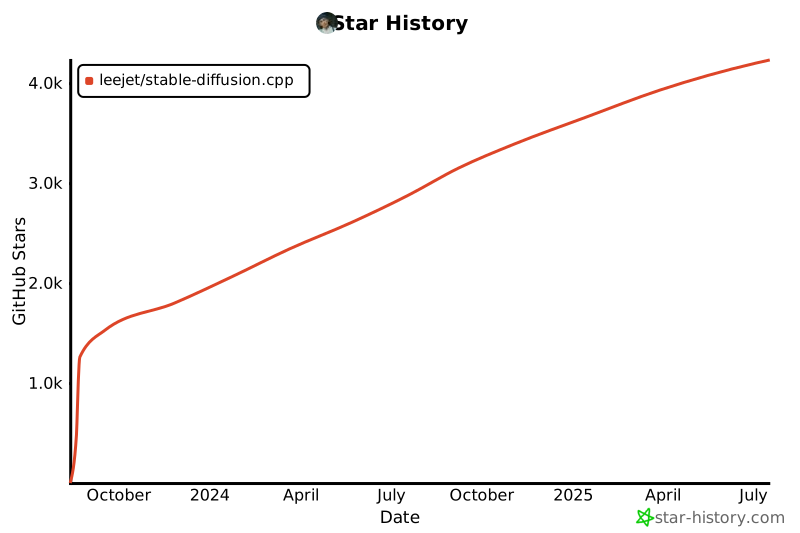](https://star-history.com/#leejet/stable-diffusion.cpp&Date)
|
|
||||||
|
|
||||||
## References
|
## References
|
||||||
|
|
||||||
- [ggml](https://github.com/ggml-org/ggml)
|
- [ggml](https://github.com/ggerganov/ggml)
|
||||||
- [diffusers](https://github.com/huggingface/diffusers)
|
|
||||||
- [stable-diffusion](https://github.com/CompVis/stable-diffusion)
|
- [stable-diffusion](https://github.com/CompVis/stable-diffusion)
|
||||||
- [sd3-ref](https://github.com/Stability-AI/sd3-ref)
|
|
||||||
- [stable-diffusion-stability-ai](https://github.com/Stability-AI/stablediffusion)
|
|
||||||
- [stable-diffusion-webui](https://github.com/AUTOMATIC1111/stable-diffusion-webui)
|
- [stable-diffusion-webui](https://github.com/AUTOMATIC1111/stable-diffusion-webui)
|
||||||
- [ComfyUI](https://github.com/comfyanonymous/ComfyUI)
|
|
||||||
- [k-diffusion](https://github.com/crowsonkb/k-diffusion)
|
- [k-diffusion](https://github.com/crowsonkb/k-diffusion)
|
||||||
- [latent-consistency-model](https://github.com/luosiallen/latent-consistency-model)
|
|
||||||
- [generative-models](https://github.com/Stability-AI/generative-models/)
|
|
||||||
- [PhotoMaker](https://github.com/TencentARC/PhotoMaker)
|
|
||||||
- [Wan2.1](https://github.com/Wan-Video/Wan2.1)
|
|
||||||
- [Wan2.2](https://github.com/Wan-Video/Wan2.2)
|
|
||||||
|
|||||||

|
Before Width: | Height: | Size: 1.4 MiB |

|
Before Width: | Height: | Size: 1.2 MiB |

|
Before Width: | Height: | Size: 4.3 KiB |

|
Before Width: | Height: | Size: 6.1 KiB |

|
Before Width: | Height: | Size: 18 KiB |

|
Before Width: | Height: | Size: 477 KiB |

|
Before Width: | Height: | Size: 539 KiB |

|
Before Width: | Height: | Size: 416 KiB |

|
Before Width: | Height: | Size: 490 KiB |

|
Before Width: | Height: | Size: 464 KiB |

|
Before Width: | Height: | Size: 468 KiB |

|
Before Width: | Height: | Size: 566 KiB |

|
Before Width: | Height: | Size: 475 KiB |

|
Before Width: | Height: | Size: 481 KiB |

|
Before Width: | Height: | Size: 496 KiB |

|
Before Width: | Height: | Size: 556 KiB |
BIN
assets/logo.png

|
Before Width: | Height: | Size: 1.0 MiB |

|
Before Width: | Height: | Size: 401 KiB |

|
Before Width: | Height: | Size: 39 KiB |

|
Before Width: | Height: | Size: 311 KiB |

|
Before Width: | Height: | Size: 53 KiB |

|
Before Width: | Height: | Size: 1.4 MiB |

|
Before Width: | Height: | Size: 26 KiB |

|
Before Width: | Height: | Size: 88 KiB |

|
Before Width: | Height: | Size: 26 KiB |

|
Before Width: | Height: | Size: 72 KiB |

|
Before Width: | Height: | Size: 107 KiB |

|
Before Width: | Height: | Size: 54 KiB |

|
Before Width: | Height: | Size: 68 KiB |

|
Before Width: | Height: | Size: 54 KiB |

|
Before Width: | Height: | Size: 48 KiB |

|
Before Width: | Height: | Size: 28 KiB |

|
Before Width: | Height: | Size: 30 KiB |

|
Before Width: | Height: | Size: 1.4 MiB |

|
Before Width: | Height: | Size: 457 KiB |

|
Before Width: | Height: | Size: 415 KiB |

|
Before Width: | Height: | Size: 1.8 MiB |

|
Before Width: | Height: | Size: 1.7 MiB |

|
Before Width: | Height: | Size: 594 KiB |

|
Before Width: | Height: | Size: 596 KiB |

|
Before Width: | Height: | Size: 533 KiB |

|
Before Width: | Height: | Size: 1.0 MiB |

|
Before Width: | Height: | Size: 1.1 MiB |

|
Before Width: | Height: | Size: 1.1 MiB |

|
Before Width: | Height: | Size: 1.0 MiB |

|
Before Width: | Height: | Size: 1.0 MiB |

|
Before Width: | Height: | Size: 1.0 MiB |

|
Before Width: | Height: | Size: 1.0 MiB |

|
Before Width: | Height: | Size: 1.0 MiB |
591
common.hpp
@ -1,591 +0,0 @@
|
|||||||
#ifndef __COMMON_HPP__
|
|
||||||
#define __COMMON_HPP__
|
|
||||||
|
|
||||||
#include "ggml_extend.hpp"
|
|
||||||
|
|
||||||
class DownSampleBlock : public GGMLBlock {
|
|
||||||
protected:
|
|
||||||
int channels;
|
|
||||||
int out_channels;
|
|
||||||
bool vae_downsample;
|
|
||||||
|
|
||||||
public:
|
|
||||||
DownSampleBlock(int channels,
|
|
||||||
int out_channels,
|
|
||||||
bool vae_downsample = false)
|
|
||||||
: channels(channels),
|
|
||||||
out_channels(out_channels),
|
|
||||||
vae_downsample(vae_downsample) {
|
|
||||||
if (vae_downsample) {
|
|
||||||
blocks["conv"] = std::shared_ptr<GGMLBlock>(new Conv2d(channels, out_channels, {3, 3}, {2, 2}, {0, 0}));
|
|
||||||
} else {
|
|
||||||
blocks["op"] = std::shared_ptr<GGMLBlock>(new Conv2d(channels, out_channels, {3, 3}, {2, 2}, {1, 1}));
|
|
||||||
}
|
|
||||||
}
|
|
||||||
|
|
||||||
struct ggml_tensor* forward(GGMLRunnerContext* ctx, struct ggml_tensor* x) {
|
|
||||||
// x: [N, channels, h, w]
|
|
||||||
if (vae_downsample) {
|
|
||||||
auto conv = std::dynamic_pointer_cast<Conv2d>(blocks["conv"]);
|
|
||||||
|
|
||||||
x = ggml_pad(ctx->ggml_ctx, x, 1, 1, 0, 0);
|
|
||||||
x = conv->forward(ctx, x);
|
|
||||||
} else {
|
|
||||||
auto conv = std::dynamic_pointer_cast<Conv2d>(blocks["op"]);
|
|
||||||
|
|
||||||
x = conv->forward(ctx, x);
|
|
||||||
}
|
|
||||||
return x; // [N, out_channels, h/2, w/2]
|
|
||||||
}
|
|
||||||
};
|
|
||||||
|
|
||||||
class UpSampleBlock : public GGMLBlock {
|
|
||||||
protected:
|
|
||||||
int channels;
|
|
||||||
int out_channels;
|
|
||||||
|
|
||||||
public:
|
|
||||||
UpSampleBlock(int channels,
|
|
||||||
int out_channels)
|
|
||||||
: channels(channels),
|
|
||||||
out_channels(out_channels) {
|
|
||||||
blocks["conv"] = std::shared_ptr<GGMLBlock>(new Conv2d(channels, out_channels, {3, 3}, {1, 1}, {1, 1}));
|
|
||||||
}
|
|
||||||
|
|
||||||
struct ggml_tensor* forward(GGMLRunnerContext* ctx, struct ggml_tensor* x) {
|
|
||||||
// x: [N, channels, h, w]
|
|
||||||
auto conv = std::dynamic_pointer_cast<Conv2d>(blocks["conv"]);
|
|
||||||
|
|
||||||
x = ggml_upscale(ctx->ggml_ctx, x, 2, GGML_SCALE_MODE_NEAREST); // [N, channels, h*2, w*2]
|
|
||||||
x = conv->forward(ctx, x); // [N, out_channels, h*2, w*2]
|
|
||||||
return x;
|
|
||||||
}
|
|
||||||
};
|
|
||||||
|
|
||||||
class ResBlock : public GGMLBlock {
|
|
||||||
protected:
|
|
||||||
// network hparams
|
|
||||||
int64_t channels; // model_channels * (1, 1, 1, 2, 2, 4, 4, 4)
|
|
||||||
int64_t emb_channels; // time_embed_dim
|
|
||||||
int64_t out_channels; // mult * model_channels
|
|
||||||
std::pair<int, int> kernel_size;
|
|
||||||
int dims;
|
|
||||||
bool skip_t_emb;
|
|
||||||
bool exchange_temb_dims;
|
|
||||||
|
|
||||||
std::shared_ptr<GGMLBlock> conv_nd(int dims,
|
|
||||||
int64_t in_channels,
|
|
||||||
int64_t out_channels,
|
|
||||||
std::pair<int, int> kernel_size,
|
|
||||||
std::pair<int, int> padding) {
|
|
||||||
GGML_ASSERT(dims == 2 || dims == 3);
|
|
||||||
if (dims == 3) {
|
|
||||||
return std::shared_ptr<GGMLBlock>(new Conv3dnx1x1(in_channels, out_channels, kernel_size.first, 1, padding.first));
|
|
||||||
} else {
|
|
||||||
return std::shared_ptr<GGMLBlock>(new Conv2d(in_channels, out_channels, kernel_size, {1, 1}, padding));
|
|
||||||
}
|
|
||||||
}
|
|
||||||
|
|
||||||
public:
|
|
||||||
ResBlock(int64_t channels,
|
|
||||||
int64_t emb_channels,
|
|
||||||
int64_t out_channels,
|
|
||||||
std::pair<int, int> kernel_size = {3, 3},
|
|
||||||
int dims = 2,
|
|
||||||
bool exchange_temb_dims = false,
|
|
||||||
bool skip_t_emb = false)
|
|
||||||
: channels(channels),
|
|
||||||
emb_channels(emb_channels),
|
|
||||||
out_channels(out_channels),
|
|
||||||
kernel_size(kernel_size),
|
|
||||||
dims(dims),
|
|
||||||
skip_t_emb(skip_t_emb),
|
|
||||||
exchange_temb_dims(exchange_temb_dims) {
|
|
||||||
std::pair<int, int> padding = {kernel_size.first / 2, kernel_size.second / 2};
|
|
||||||
blocks["in_layers.0"] = std::shared_ptr<GGMLBlock>(new GroupNorm32(channels));
|
|
||||||
// in_layer_1 is nn.SILU()
|
|
||||||
blocks["in_layers.2"] = conv_nd(dims, channels, out_channels, kernel_size, padding);
|
|
||||||
|
|
||||||
if (!skip_t_emb) {
|
|
||||||
// emb_layer_0 is nn.SILU()
|
|
||||||
blocks["emb_layers.1"] = std::shared_ptr<GGMLBlock>(new Linear(emb_channels, out_channels));
|
|
||||||
}
|
|
||||||
|
|
||||||
blocks["out_layers.0"] = std::shared_ptr<GGMLBlock>(new GroupNorm32(out_channels));
|
|
||||||
// out_layer_1 is nn.SILU()
|
|
||||||
// out_layer_2 is nn.Dropout(), skip for inference
|
|
||||||
blocks["out_layers.3"] = conv_nd(dims, out_channels, out_channels, kernel_size, padding);
|
|
||||||
|
|
||||||
if (out_channels != channels) {
|
|
||||||
blocks["skip_connection"] = conv_nd(dims, channels, out_channels, {1, 1}, {0, 0});
|
|
||||||
}
|
|
||||||
}
|
|
||||||
|
|
||||||
virtual struct ggml_tensor* forward(GGMLRunnerContext* ctx, struct ggml_tensor* x, struct ggml_tensor* emb = nullptr) {
|
|
||||||
// For dims==3, we reduce dimension from 5d to 4d by merging h and w, in order not to change ggml
|
|
||||||
// [N, c, t, h, w] => [N, c, t, h * w]
|
|
||||||
// x: [N, channels, h, w] if dims == 2 else [N, channels, t, h, w]
|
|
||||||
// emb: [N, emb_channels] if dims == 2 else [N, t, emb_channels]
|
|
||||||
auto in_layers_0 = std::dynamic_pointer_cast<GroupNorm32>(blocks["in_layers.0"]);
|
|
||||||
auto in_layers_2 = std::dynamic_pointer_cast<UnaryBlock>(blocks["in_layers.2"]);
|
|
||||||
auto out_layers_0 = std::dynamic_pointer_cast<GroupNorm32>(blocks["out_layers.0"]);
|
|
||||||
auto out_layers_3 = std::dynamic_pointer_cast<UnaryBlock>(blocks["out_layers.3"]);
|
|
||||||
|
|
||||||
if (emb == nullptr) {
|
|
||||||
GGML_ASSERT(skip_t_emb);
|
|
||||||
}
|
|
||||||
|
|
||||||
// in_layers
|
|
||||||
auto h = in_layers_0->forward(ctx, x);
|
|
||||||
h = ggml_silu_inplace(ctx->ggml_ctx, h);
|
|
||||||
h = in_layers_2->forward(ctx, h); // [N, out_channels, h, w] if dims == 2 else [N, out_channels, t, h, w]
|
|
||||||
|
|
||||||
// emb_layers
|
|
||||||
if (!skip_t_emb) {
|
|
||||||
auto emb_layer_1 = std::dynamic_pointer_cast<Linear>(blocks["emb_layers.1"]);
|
|
||||||
|
|
||||||
auto emb_out = ggml_silu(ctx->ggml_ctx, emb);
|
|
||||||
emb_out = emb_layer_1->forward(ctx, emb_out); // [N, out_channels] if dims == 2 else [N, t, out_channels]
|
|
||||||
|
|
||||||
if (dims == 2) {
|
|
||||||
emb_out = ggml_reshape_4d(ctx->ggml_ctx, emb_out, 1, 1, emb_out->ne[0], emb_out->ne[1]); // [N, out_channels, 1, 1]
|
|
||||||
} else {
|
|
||||||
emb_out = ggml_reshape_4d(ctx->ggml_ctx, emb_out, 1, emb_out->ne[0], emb_out->ne[1], emb_out->ne[2]); // [N, t, out_channels, 1]
|
|
||||||
if (exchange_temb_dims) {
|
|
||||||
// emb_out = rearrange(emb_out, "b t c ... -> b c t ...")
|
|
||||||
emb_out = ggml_cont(ctx->ggml_ctx, ggml_permute(ctx->ggml_ctx, emb_out, 0, 2, 1, 3)); // [N, out_channels, t, 1]
|
|
||||||
}
|
|
||||||
}
|
|
||||||
|
|
||||||
h = ggml_add(ctx->ggml_ctx, h, emb_out); // [N, out_channels, h, w] if dims == 2 else [N, out_channels, t, h, w]
|
|
||||||
}
|
|
||||||
|
|
||||||
// out_layers
|
|
||||||
h = out_layers_0->forward(ctx, h);
|
|
||||||
h = ggml_silu_inplace(ctx->ggml_ctx, h);
|
|
||||||
// dropout, skip for inference
|
|
||||||
h = out_layers_3->forward(ctx, h);
|
|
||||||
|
|
||||||
// skip connection
|
|
||||||
if (out_channels != channels) {
|
|
||||||
auto skip_connection = std::dynamic_pointer_cast<UnaryBlock>(blocks["skip_connection"]);
|
|
||||||
x = skip_connection->forward(ctx, x); // [N, out_channels, h, w] if dims == 2 else [N, out_channels, t, h, w]
|
|
||||||
}
|
|
||||||
|
|
||||||
h = ggml_add(ctx->ggml_ctx, h, x);
|
|
||||||
return h; // [N, out_channels, h, w] if dims == 2 else [N, out_channels, t, h, w]
|
|
||||||
}
|
|
||||||
};
|
|
||||||
|
|
||||||
class GEGLU : public UnaryBlock {
|
|
||||||
protected:
|
|
||||||
int64_t dim_in;
|
|
||||||
int64_t dim_out;
|
|
||||||
|
|
||||||
public:
|
|
||||||
GEGLU(int64_t dim_in, int64_t dim_out)
|
|
||||||
: dim_in(dim_in), dim_out(dim_out) {
|
|
||||||
blocks["proj"] = std::shared_ptr<GGMLBlock>(new Linear(dim_in, dim_out * 2));
|
|
||||||
}
|
|
||||||
|
|
||||||
struct ggml_tensor* forward(GGMLRunnerContext* ctx, struct ggml_tensor* x) override {
|
|
||||||
// x: [ne3, ne2, ne1, dim_in]
|
|
||||||
// return: [ne3, ne2, ne1, dim_out]
|
|
||||||
auto proj = std::dynamic_pointer_cast<Linear>(blocks["proj"]);
|
|
||||||
|
|
||||||
x = proj->forward(ctx, x); // [ne3, ne2, ne1, dim_out*2]
|
|
||||||
auto x_vec = ggml_ext_chunk(ctx->ggml_ctx, x, 2, 0);
|
|
||||||
x = x_vec[0]; // [ne3, ne2, ne1, dim_out]
|
|
||||||
auto gate = x_vec[1]; // [ne3, ne2, ne1, dim_out]
|
|
||||||
|
|
||||||
gate = ggml_gelu_inplace(ctx->ggml_ctx, gate);
|
|
||||||
|
|
||||||
x = ggml_mul(ctx->ggml_ctx, x, gate); // [ne3, ne2, ne1, dim_out]
|
|
||||||
|
|
||||||
return x;
|
|
||||||
}
|
|
||||||
};
|
|
||||||
|
|
||||||
class GELU : public UnaryBlock {
|
|
||||||
public:
|
|
||||||
GELU(int64_t dim_in, int64_t dim_out, bool bias = true) {
|
|
||||||
blocks["proj"] = std::shared_ptr<GGMLBlock>(new Linear(dim_in, dim_out, bias));
|
|
||||||
}
|
|
||||||
|
|
||||||
struct ggml_tensor* forward(GGMLRunnerContext* ctx, struct ggml_tensor* x) override {
|
|
||||||
// x: [ne3, ne2, ne1, dim_in]
|
|
||||||
// return: [ne3, ne2, ne1, dim_out]
|
|
||||||
auto proj = std::dynamic_pointer_cast<Linear>(blocks["proj"]);
|
|
||||||
|
|
||||||
x = proj->forward(ctx, x);
|
|
||||||
x = ggml_gelu_inplace(ctx->ggml_ctx, x);
|
|
||||||
return x;
|
|
||||||
}
|
|
||||||
};
|
|
||||||
|
|
||||||
class FeedForward : public GGMLBlock {
|
|
||||||
public:
|
|
||||||
enum class Activation {
|
|
||||||
GEGLU,
|
|
||||||
GELU
|
|
||||||
};
|
|
||||||
FeedForward(int64_t dim,
|
|
||||||
int64_t dim_out,
|
|
||||||
int64_t mult = 4,
|
|
||||||
Activation activation = Activation::GEGLU,
|
|
||||||
bool precision_fix = false) {
|
|
||||||
int64_t inner_dim = dim * mult;
|
|
||||||
if (activation == Activation::GELU) {
|
|
||||||
blocks["net.0"] = std::shared_ptr<GGMLBlock>(new GELU(dim, inner_dim));
|
|
||||||
} else {
|
|
||||||
blocks["net.0"] = std::shared_ptr<GGMLBlock>(new GEGLU(dim, inner_dim));
|
|
||||||
}
|
|
||||||
|
|
||||||
// net_1 is nn.Dropout(), skip for inference
|
|
||||||
bool force_prec_f32 = false;
|
|
||||||
float scale = 1.f;
|
|
||||||
if (precision_fix) {
|
|
||||||
scale = 1.f / 128.f;
|
|
||||||
#ifdef SD_USE_VULKAN
|
|
||||||
force_prec_f32 = true;
|
|
||||||
#endif
|
|
||||||
}
|
|
||||||
// The purpose of the scale here is to prevent NaN issues in certain situations.
|
|
||||||
// For example, when using Vulkan without enabling force_prec_f32,
|
|
||||||
// or when using CUDA but the weights are k-quants.
|
|
||||||
blocks["net.2"] = std::shared_ptr<GGMLBlock>(new Linear(inner_dim, dim_out, true, false, force_prec_f32, scale));
|
|
||||||
}
|
|
||||||
|
|
||||||
struct ggml_tensor* forward(GGMLRunnerContext* ctx, struct ggml_tensor* x) {
|
|
||||||
// x: [ne3, ne2, ne1, dim]
|
|
||||||
// return: [ne3, ne2, ne1, dim_out]
|
|
||||||
|
|
||||||
auto net_0 = std::dynamic_pointer_cast<UnaryBlock>(blocks["net.0"]);
|
|
||||||
auto net_2 = std::dynamic_pointer_cast<Linear>(blocks["net.2"]);
|
|
||||||
|
|
||||||
x = net_0->forward(ctx, x); // [ne3, ne2, ne1, inner_dim]
|
|
||||||
x = net_2->forward(ctx, x); // [ne3, ne2, ne1, dim_out]
|
|
||||||
return x;
|
|
||||||
}
|
|
||||||
};
|
|
||||||
|
|
||||||
class CrossAttention : public GGMLBlock {
|
|
||||||
protected:
|
|
||||||
int64_t query_dim;
|
|
||||||
int64_t context_dim;
|
|
||||||
int64_t n_head;
|
|
||||||
int64_t d_head;
|
|
||||||
|
|
||||||
public:
|
|
||||||
CrossAttention(int64_t query_dim,
|
|
||||||
int64_t context_dim,
|
|
||||||
int64_t n_head,
|
|
||||||
int64_t d_head)
|
|
||||||
: n_head(n_head),
|
|
||||||
d_head(d_head),
|
|
||||||
query_dim(query_dim),
|
|
||||||
context_dim(context_dim) {
|
|
||||||
int64_t inner_dim = d_head * n_head;
|
|
||||||
|
|
||||||
blocks["to_q"] = std::shared_ptr<GGMLBlock>(new Linear(query_dim, inner_dim, false));
|
|
||||||
blocks["to_k"] = std::shared_ptr<GGMLBlock>(new Linear(context_dim, inner_dim, false));
|
|
||||||
blocks["to_v"] = std::shared_ptr<GGMLBlock>(new Linear(context_dim, inner_dim, false));
|
|
||||||
|
|
||||||
blocks["to_out.0"] = std::shared_ptr<GGMLBlock>(new Linear(inner_dim, query_dim));
|
|
||||||
// to_out_1 is nn.Dropout(), skip for inference
|
|
||||||
}
|
|
||||||
|
|
||||||
struct ggml_tensor* forward(GGMLRunnerContext* ctx,
|
|
||||||
struct ggml_tensor* x,
|
|
||||||
struct ggml_tensor* context) {
|
|
||||||
// x: [N, n_token, query_dim]
|
|
||||||
// context: [N, n_context, context_dim]
|
|
||||||
// return: [N, n_token, query_dim]
|
|
||||||
auto to_q = std::dynamic_pointer_cast<Linear>(blocks["to_q"]);
|
|
||||||
auto to_k = std::dynamic_pointer_cast<Linear>(blocks["to_k"]);
|
|
||||||
auto to_v = std::dynamic_pointer_cast<Linear>(blocks["to_v"]);
|
|
||||||
auto to_out_0 = std::dynamic_pointer_cast<Linear>(blocks["to_out.0"]);
|
|
||||||
|
|
||||||
int64_t n = x->ne[2];
|
|
||||||
int64_t n_token = x->ne[1];
|
|
||||||
int64_t n_context = context->ne[1];
|
|
||||||
int64_t inner_dim = d_head * n_head;
|
|
||||||
|
|
||||||
auto q = to_q->forward(ctx, x); // [N, n_token, inner_dim]
|
|
||||||
auto k = to_k->forward(ctx, context); // [N, n_context, inner_dim]
|
|
||||||
auto v = to_v->forward(ctx, context); // [N, n_context, inner_dim]
|
|
||||||
|
|
||||||
x = ggml_ext_attention_ext(ctx->ggml_ctx, ctx->backend, q, k, v, n_head, nullptr, false, false, ctx->flash_attn_enabled); // [N, n_token, inner_dim]
|
|
||||||
|
|
||||||
x = to_out_0->forward(ctx, x); // [N, n_token, query_dim]
|
|
||||||
return x;
|
|
||||||
}
|
|
||||||
};
|
|
||||||
|
|
||||||
class BasicTransformerBlock : public GGMLBlock {
|
|
||||||
protected:
|
|
||||||
int64_t n_head;
|
|
||||||
int64_t d_head;
|
|
||||||
bool ff_in;
|
|
||||||
|
|
||||||
public:
|
|
||||||
BasicTransformerBlock(int64_t dim,
|
|
||||||
int64_t n_head,
|
|
||||||
int64_t d_head,
|
|
||||||
int64_t context_dim,
|
|
||||||
bool ff_in = false)
|
|
||||||
: n_head(n_head), d_head(d_head), ff_in(ff_in) {
|
|
||||||
// disable_self_attn is always False
|
|
||||||
// disable_temporal_crossattention is always False
|
|
||||||
// switch_temporal_ca_to_sa is always False
|
|
||||||
// inner_dim is always None or equal to dim
|
|
||||||
// gated_ff is always True
|
|
||||||
blocks["attn1"] = std::shared_ptr<GGMLBlock>(new CrossAttention(dim, dim, n_head, d_head));
|
|
||||||
blocks["attn2"] = std::shared_ptr<GGMLBlock>(new CrossAttention(dim, context_dim, n_head, d_head));
|
|
||||||
blocks["ff"] = std::shared_ptr<GGMLBlock>(new FeedForward(dim, dim));
|
|
||||||
blocks["norm1"] = std::shared_ptr<GGMLBlock>(new LayerNorm(dim));
|
|
||||||
blocks["norm2"] = std::shared_ptr<GGMLBlock>(new LayerNorm(dim));
|
|
||||||
blocks["norm3"] = std::shared_ptr<GGMLBlock>(new LayerNorm(dim));
|
|
||||||
|
|
||||||
if (ff_in) {
|
|
||||||
blocks["norm_in"] = std::shared_ptr<GGMLBlock>(new LayerNorm(dim));
|
|
||||||
blocks["ff_in"] = std::shared_ptr<GGMLBlock>(new FeedForward(dim, dim));
|
|
||||||
}
|
|
||||||
}
|
|
||||||
|
|
||||||
struct ggml_tensor* forward(GGMLRunnerContext* ctx,
|
|
||||||
struct ggml_tensor* x,
|
|
||||||
struct ggml_tensor* context) {
|
|
||||||
// x: [N, n_token, query_dim]
|
|
||||||
// context: [N, n_context, context_dim]
|
|
||||||
// return: [N, n_token, query_dim]
|
|
||||||
|
|
||||||
auto attn1 = std::dynamic_pointer_cast<CrossAttention>(blocks["attn1"]);
|
|
||||||
auto attn2 = std::dynamic_pointer_cast<CrossAttention>(blocks["attn2"]);
|
|
||||||
auto ff = std::dynamic_pointer_cast<FeedForward>(blocks["ff"]);
|
|
||||||
auto norm1 = std::dynamic_pointer_cast<LayerNorm>(blocks["norm1"]);
|
|
||||||
auto norm2 = std::dynamic_pointer_cast<LayerNorm>(blocks["norm2"]);
|
|
||||||
auto norm3 = std::dynamic_pointer_cast<LayerNorm>(blocks["norm3"]);
|
|
||||||
|
|
||||||
if (ff_in) {
|
|
||||||
auto norm_in = std::dynamic_pointer_cast<LayerNorm>(blocks["norm_in"]);
|
|
||||||
auto ff_in = std::dynamic_pointer_cast<FeedForward>(blocks["ff_in"]);
|
|
||||||
|
|
||||||
auto x_skip = x;
|
|
||||||
x = norm_in->forward(ctx, x);
|
|
||||||
x = ff_in->forward(ctx, x);
|
|
||||||
// self.is_res is always True
|
|
||||||
x = ggml_add(ctx->ggml_ctx, x, x_skip);
|
|
||||||
}
|
|
||||||
|
|
||||||
auto r = x;
|
|
||||||
x = norm1->forward(ctx, x);
|
|
||||||
x = attn1->forward(ctx, x, x); // self-attention
|
|
||||||
x = ggml_add(ctx->ggml_ctx, x, r);
|
|
||||||
r = x;
|
|
||||||
x = norm2->forward(ctx, x);
|
|
||||||
x = attn2->forward(ctx, x, context); // cross-attention
|
|
||||||
x = ggml_add(ctx->ggml_ctx, x, r);
|
|
||||||
r = x;
|
|
||||||
x = norm3->forward(ctx, x);
|
|
||||||
x = ff->forward(ctx, x);
|
|
||||||
x = ggml_add(ctx->ggml_ctx, x, r);
|
|
||||||
|
|
||||||
return x;
|
|
||||||
}
|
|
||||||
};
|
|
||||||
|
|
||||||
class SpatialTransformer : public GGMLBlock {
|
|
||||||
protected:
|
|
||||||
int64_t in_channels; // mult * model_channels
|
|
||||||
int64_t n_head;
|
|
||||||
int64_t d_head;
|
|
||||||
int64_t depth = 1; // 1
|
|
||||||
int64_t context_dim = 768; // hidden_size, 1024 for VERSION_SD2
|
|
||||||
bool use_linear = false;
|
|
||||||
|
|
||||||
void init_params(struct ggml_context* ctx, const String2TensorStorage& tensor_storage_map = {}, const std::string prefix = "") {
|
|
||||||
auto iter = tensor_storage_map.find(prefix + "proj_out.weight");
|
|
||||||
if (iter != tensor_storage_map.end()) {
|
|
||||||
int64_t inner_dim = n_head * d_head;
|
|
||||||
if (iter->second.n_dims == 4 && use_linear) {
|
|
||||||
use_linear = false;
|
|
||||||
blocks["proj_in"] = std::make_shared<Conv2d>(in_channels, inner_dim, std::pair{1, 1});
|
|
||||||
blocks["proj_out"] = std::make_shared<Conv2d>(inner_dim, in_channels, std::pair{1, 1});
|
|
||||||
} else if (iter->second.n_dims == 2 && !use_linear) {
|
|
||||||
use_linear = true;
|
|
||||||
blocks["proj_in"] = std::make_shared<Linear>(in_channels, inner_dim);
|
|
||||||
blocks["proj_out"] = std::make_shared<Linear>(inner_dim, in_channels);
|
|
||||||
}
|
|
||||||
}
|
|
||||||
}
|
|
||||||
|
|
||||||
public:
|
|
||||||
SpatialTransformer(int64_t in_channels,
|
|
||||||
int64_t n_head,
|
|
||||||
int64_t d_head,
|
|
||||||
int64_t depth,
|
|
||||||
int64_t context_dim,
|
|
||||||
bool use_linear)
|
|
||||||
: in_channels(in_channels),
|
|
||||||
n_head(n_head),
|
|
||||||
d_head(d_head),
|
|
||||||
depth(depth),
|
|
||||||
context_dim(context_dim),
|
|
||||||
use_linear(use_linear) {
|
|
||||||
// disable_self_attn is always False
|
|
||||||
int64_t inner_dim = n_head * d_head; // in_channels
|
|
||||||
blocks["norm"] = std::shared_ptr<GGMLBlock>(new GroupNorm32(in_channels));
|
|
||||||
if (use_linear) {
|
|
||||||
blocks["proj_in"] = std::shared_ptr<GGMLBlock>(new Linear(in_channels, inner_dim));
|
|
||||||
} else {
|
|
||||||
blocks["proj_in"] = std::shared_ptr<GGMLBlock>(new Conv2d(in_channels, inner_dim, {1, 1}));
|
|
||||||
}
|
|
||||||
|
|
||||||
for (int i = 0; i < depth; i++) {
|
|
||||||
std::string name = "transformer_blocks." + std::to_string(i);
|
|
||||||
blocks[name] = std::shared_ptr<GGMLBlock>(new BasicTransformerBlock(inner_dim, n_head, d_head, context_dim, false));
|
|
||||||
}
|
|
||||||
|
|
||||||
if (use_linear) {
|
|
||||||
blocks["proj_out"] = std::shared_ptr<GGMLBlock>(new Linear(inner_dim, in_channels));
|
|
||||||
} else {
|
|
||||||
blocks["proj_out"] = std::shared_ptr<GGMLBlock>(new Conv2d(inner_dim, in_channels, {1, 1}));
|
|
||||||
}
|
|
||||||
}
|
|
||||||
|
|
||||||
virtual struct ggml_tensor* forward(GGMLRunnerContext* ctx,
|
|
||||||
struct ggml_tensor* x,
|
|
||||||
struct ggml_tensor* context) {
|
|
||||||
// x: [N, in_channels, h, w]
|
|
||||||
// context: [N, max_position(aka n_token), hidden_size(aka context_dim)]
|
|
||||||
auto norm = std::dynamic_pointer_cast<GroupNorm32>(blocks["norm"]);
|
|
||||||
auto proj_in = std::dynamic_pointer_cast<UnaryBlock>(blocks["proj_in"]);
|
|
||||||
auto proj_out = std::dynamic_pointer_cast<UnaryBlock>(blocks["proj_out"]);
|
|
||||||
|
|
||||||
auto x_in = x;
|
|
||||||
int64_t n = x->ne[3];
|
|
||||||
int64_t h = x->ne[1];
|
|
||||||
int64_t w = x->ne[0];
|
|
||||||
int64_t inner_dim = n_head * d_head;
|
|
||||||
|
|
||||||
x = norm->forward(ctx, x);
|
|
||||||
if (use_linear) {
|
|
||||||
x = ggml_cont(ctx->ggml_ctx, ggml_permute(ctx->ggml_ctx, x, 1, 2, 0, 3)); // [N, h, w, inner_dim]
|
|
||||||
x = ggml_reshape_3d(ctx->ggml_ctx, x, inner_dim, w * h, n); // [N, h * w, inner_dim]
|
|
||||||
x = proj_in->forward(ctx, x); // [N, inner_dim, h, w]
|
|
||||||
} else {
|
|
||||||
x = proj_in->forward(ctx, x); // [N, inner_dim, h, w]
|
|
||||||
x = ggml_cont(ctx->ggml_ctx, ggml_permute(ctx->ggml_ctx, x, 1, 2, 0, 3)); // [N, h, w, inner_dim]
|
|
||||||
x = ggml_reshape_3d(ctx->ggml_ctx, x, inner_dim, w * h, n); // [N, h * w, inner_dim]
|
|
||||||
}
|
|
||||||
|
|
||||||
for (int i = 0; i < depth; i++) {
|
|
||||||
std::string name = "transformer_blocks." + std::to_string(i);
|
|
||||||
auto transformer_block = std::dynamic_pointer_cast<BasicTransformerBlock>(blocks[name]);
|
|
||||||
|
|
||||||
x = transformer_block->forward(ctx, x, context);
|
|
||||||
}
|
|
||||||
|
|
||||||
if (use_linear) {
|
|
||||||
// proj_out
|
|
||||||
x = proj_out->forward(ctx, x); // [N, in_channels, h, w]
|
|
||||||
|
|
||||||
x = ggml_cont(ctx->ggml_ctx, ggml_permute(ctx->ggml_ctx, x, 1, 0, 2, 3)); // [N, inner_dim, h * w]
|
|
||||||
x = ggml_reshape_4d(ctx->ggml_ctx, x, w, h, inner_dim, n); // [N, inner_dim, h, w]
|
|
||||||
} else {
|
|
||||||
x = ggml_cont(ctx->ggml_ctx, ggml_permute(ctx->ggml_ctx, x, 1, 0, 2, 3)); // [N, inner_dim, h * w]
|
|
||||||
x = ggml_reshape_4d(ctx->ggml_ctx, x, w, h, inner_dim, n); // [N, inner_dim, h, w]
|
|
||||||
|
|
||||||
// proj_out
|
|
||||||
x = proj_out->forward(ctx, x); // [N, in_channels, h, w]
|
|
||||||
}
|
|
||||||
|
|
||||||
x = ggml_add(ctx->ggml_ctx, x, x_in);
|
|
||||||
return x;
|
|
||||||
}
|
|
||||||
};
|
|
||||||
|
|
||||||
class AlphaBlender : public GGMLBlock {
|
|
||||||
protected:
|
|
||||||
void init_params(struct ggml_context* ctx, const String2TensorStorage& tensor_storage_map = {}, std::string prefix = "") override {
|
|
||||||
// Get the type of the "mix_factor" tensor from the input tensors map with the specified prefix
|
|
||||||
enum ggml_type wtype = GGML_TYPE_F32;
|
|
||||||
params["mix_factor"] = ggml_new_tensor_1d(ctx, wtype, 1);
|
|
||||||
}
|
|
||||||
|
|
||||||
float get_alpha() {
|
|
||||||
// image_only_indicator is always tensor([0.]) and since mix_factor.shape is [1,]
|
|
||||||
// so learned_with_images is same as learned
|
|
||||||
float alpha = ggml_ext_backend_tensor_get_f32(params["mix_factor"]);
|
|
||||||
return sigmoid(alpha);
|
|
||||||
}
|
|
||||||
|
|
||||||
public:
|
|
||||||
AlphaBlender() {
|
|
||||||
// merge_strategy is always learned_with_images
|
|
||||||
// for inference, we don't need to set alpha
|
|
||||||
// since mix_factor.shape is [1,], we don't need rearrange using rearrange_pattern
|
|
||||||
}
|
|
||||||
|
|
||||||
struct ggml_tensor* forward(GGMLRunnerContext* ctx,
|
|
||||||
struct ggml_tensor* x_spatial,
|
|
||||||
struct ggml_tensor* x_temporal) {
|
|
||||||
// image_only_indicator is always tensor([0.])
|
|
||||||
float alpha = get_alpha();
|
|
||||||
auto x = ggml_add(ctx->ggml_ctx,
|
|
||||||
ggml_scale(ctx->ggml_ctx, x_spatial, alpha),
|
|
||||||
ggml_scale(ctx->ggml_ctx, x_temporal, 1.0f - alpha));
|
|
||||||
return x;
|
|
||||||
}
|
|
||||||
};
|
|
||||||
|
|
||||||
class VideoResBlock : public ResBlock {
|
|
||||||
public:
|
|
||||||
VideoResBlock(int channels,
|
|
||||||
int emb_channels,
|
|
||||||
int out_channels,
|
|
||||||
std::pair<int, int> kernel_size = {3, 3},
|
|
||||||
int64_t video_kernel_size = 3,
|
|
||||||
int dims = 2) // always 2
|
|
||||||
: ResBlock(channels, emb_channels, out_channels, kernel_size, dims) {
|
|
||||||
blocks["time_stack"] = std::shared_ptr<GGMLBlock>(new ResBlock(out_channels, emb_channels, out_channels, kernel_size, 3, true));
|
|
||||||
blocks["time_mixer"] = std::shared_ptr<GGMLBlock>(new AlphaBlender());
|
|
||||||
}
|
|
||||||
|
|
||||||
struct ggml_tensor* forward(GGMLRunnerContext* ctx,
|
|
||||||
struct ggml_tensor* x,
|
|
||||||
struct ggml_tensor* emb,
|
|
||||||
int num_video_frames) {
|
|
||||||
// x: [N, channels, h, w] aka [b*t, channels, h, w]
|
|
||||||
// emb: [N, emb_channels] aka [b*t, emb_channels]
|
|
||||||
// image_only_indicator is always tensor([0.])
|
|
||||||
auto time_stack = std::dynamic_pointer_cast<ResBlock>(blocks["time_stack"]);
|
|
||||||
auto time_mixer = std::dynamic_pointer_cast<AlphaBlender>(blocks["time_mixer"]);
|
|
||||||
|
|
||||||
x = ResBlock::forward(ctx, x, emb);
|
|
||||||
|
|
||||||
int64_t T = num_video_frames;
|
|
||||||
int64_t B = x->ne[3] / T;
|
|
||||||
int64_t C = x->ne[2];
|
|
||||||
int64_t H = x->ne[1];
|
|
||||||
int64_t W = x->ne[0];
|
|
||||||
|
|
||||||
x = ggml_reshape_4d(ctx->ggml_ctx, x, W * H, C, T, B); // (b t) c h w -> b t c (h w)
|
|
||||||
x = ggml_cont(ctx->ggml_ctx, ggml_permute(ctx->ggml_ctx, x, 0, 2, 1, 3)); // b t c (h w) -> b c t (h w)
|
|
||||||
auto x_mix = x;
|
|
||||||
|
|
||||||
emb = ggml_reshape_4d(ctx->ggml_ctx, emb, emb->ne[0], T, B, emb->ne[3]); // (b t) ... -> b t ...
|
|
||||||
|
|
||||||
x = time_stack->forward(ctx, x, emb); // b t c (h w)
|
|
||||||
|
|
||||||
x = time_mixer->forward(ctx, x_mix, x); // b t c (h w)
|
|
||||||
|
|
||||||
x = ggml_cont(ctx->ggml_ctx, ggml_permute(ctx->ggml_ctx, x, 0, 2, 1, 3)); // b c t (h w) -> b t c (h w)
|
|
||||||
x = ggml_reshape_4d(ctx->ggml_ctx, x, W, H, C, T * B); // b t c (h w) -> (b t) c h w
|
|
||||||
|
|
||||||
return x;
|
|
||||||
}
|
|
||||||
};
|
|
||||||
|
|
||||||
#endif // __COMMON_HPP__
|
|
||||||
1897
conditioner.hpp
466
control.hpp
@ -1,466 +0,0 @@
|
|||||||
#ifndef __CONTROL_HPP__
|
|
||||||
#define __CONTROL_HPP__
|
|
||||||
|
|
||||||
#include "common.hpp"
|
|
||||||
#include "ggml_extend.hpp"
|
|
||||||
#include "model.h"
|
|
||||||
|
|
||||||
#define CONTROL_NET_GRAPH_SIZE 1536
|
|
||||||
|
|
||||||
/*
|
|
||||||
=================================== ControlNet ===================================
|
|
||||||
Reference: https://github.com/comfyanonymous/ComfyUI/blob/master/comfy/cldm/cldm.py
|
|
||||||
|
|
||||||
*/
|
|
||||||
class ControlNetBlock : public GGMLBlock {
|
|
||||||
protected:
|
|
||||||
SDVersion version = VERSION_SD1;
|
|
||||||
// network hparams
|
|
||||||
int in_channels = 4;
|
|
||||||
int out_channels = 4;
|
|
||||||
int hint_channels = 3;
|
|
||||||
int num_res_blocks = 2;
|
|
||||||
std::vector<int> attention_resolutions = {4, 2, 1};
|
|
||||||
std::vector<int> channel_mult = {1, 2, 4, 4};
|
|
||||||
std::vector<int> transformer_depth = {1, 1, 1, 1};
|
|
||||||
int time_embed_dim = 1280; // model_channels*4
|
|
||||||
int num_heads = 8;
|
|
||||||
int num_head_channels = -1; // channels // num_heads
|
|
||||||
int context_dim = 768; // 1024 for VERSION_SD2, 2048 for VERSION_SDXL
|
|
||||||
bool use_linear_projection = false;
|
|
||||||
|
|
||||||
public:
|
|
||||||
int model_channels = 320;
|
|
||||||
int adm_in_channels = 2816; // only for VERSION_SDXL
|
|
||||||
|
|
||||||
ControlNetBlock(SDVersion version = VERSION_SD1)
|
|
||||||
: version(version) {
|
|
||||||
if (sd_version_is_sd2(version)) {
|
|
||||||
context_dim = 1024;
|
|
||||||
num_head_channels = 64;
|
|
||||||
num_heads = -1;
|
|
||||||
} else if (sd_version_is_sdxl(version)) {
|
|
||||||
context_dim = 2048;
|
|
||||||
attention_resolutions = {4, 2};
|
|
||||||
channel_mult = {1, 2, 4};
|
|
||||||
transformer_depth = {1, 2, 10};
|
|
||||||
num_head_channels = 64;
|
|
||||||
num_heads = -1;
|
|
||||||
} else if (version == VERSION_SVD) {
|
|
||||||
in_channels = 8;
|
|
||||||
out_channels = 4;
|
|
||||||
context_dim = 1024;
|
|
||||||
adm_in_channels = 768;
|
|
||||||
num_head_channels = 64;
|
|
||||||
num_heads = -1;
|
|
||||||
}
|
|
||||||
|
|
||||||
blocks["time_embed.0"] = std::shared_ptr<GGMLBlock>(new Linear(model_channels, time_embed_dim));
|
|
||||||
// time_embed_1 is nn.SiLU()
|
|
||||||
blocks["time_embed.2"] = std::shared_ptr<GGMLBlock>(new Linear(time_embed_dim, time_embed_dim));
|
|
||||||
|
|
||||||
if (sd_version_is_sdxl(version) || version == VERSION_SVD) {
|
|
||||||
blocks["label_emb.0.0"] = std::shared_ptr<GGMLBlock>(new Linear(adm_in_channels, time_embed_dim));
|
|
||||||
// label_emb_1 is nn.SiLU()
|
|
||||||
blocks["label_emb.0.2"] = std::shared_ptr<GGMLBlock>(new Linear(time_embed_dim, time_embed_dim));
|
|
||||||
}
|
|
||||||
|
|
||||||
// input_blocks
|
|
||||||
blocks["input_blocks.0.0"] = std::shared_ptr<GGMLBlock>(new Conv2d(in_channels, model_channels, {3, 3}, {1, 1}, {1, 1}));
|
|
||||||
|
|
||||||
std::vector<int> input_block_chans;
|
|
||||||
input_block_chans.push_back(model_channels);
|
|
||||||
int ch = model_channels;
|
|
||||||
int input_block_idx = 0;
|
|
||||||
int ds = 1;
|
|
||||||
|
|
||||||
auto get_resblock = [&](int64_t channels, int64_t emb_channels, int64_t out_channels) -> ResBlock* {
|
|
||||||
return new ResBlock(channels, emb_channels, out_channels);
|
|
||||||
};
|
|
||||||
|
|
||||||
auto get_attention_layer = [&](int64_t in_channels,
|
|
||||||
int64_t n_head,
|
|
||||||
int64_t d_head,
|
|
||||||
int64_t depth,
|
|
||||||
int64_t context_dim) -> SpatialTransformer* {
|
|
||||||
return new SpatialTransformer(in_channels, n_head, d_head, depth, context_dim, use_linear_projection);
|
|
||||||
};
|
|
||||||
|
|
||||||
auto make_zero_conv = [&](int64_t channels) {
|
|
||||||
return new Conv2d(channels, channels, {1, 1});
|
|
||||||
};
|
|
||||||
|
|
||||||
blocks["zero_convs.0.0"] = std::shared_ptr<GGMLBlock>(make_zero_conv(model_channels));
|
|
||||||
|
|
||||||
blocks["input_hint_block.0"] = std::shared_ptr<GGMLBlock>(new Conv2d(hint_channels, 16, {3, 3}, {1, 1}, {1, 1}));
|
|
||||||
// nn.SiLU()
|
|
||||||
blocks["input_hint_block.2"] = std::shared_ptr<GGMLBlock>(new Conv2d(16, 16, {3, 3}, {1, 1}, {1, 1}));
|
|
||||||
// nn.SiLU()
|
|
||||||
blocks["input_hint_block.4"] = std::shared_ptr<GGMLBlock>(new Conv2d(16, 32, {3, 3}, {2, 2}, {1, 1}));
|
|
||||||
// nn.SiLU()
|
|
||||||
blocks["input_hint_block.6"] = std::shared_ptr<GGMLBlock>(new Conv2d(32, 32, {3, 3}, {1, 1}, {1, 1}));
|
|
||||||
// nn.SiLU()
|
|
||||||
blocks["input_hint_block.8"] = std::shared_ptr<GGMLBlock>(new Conv2d(32, 96, {3, 3}, {2, 2}, {1, 1}));
|
|
||||||
// nn.SiLU()
|
|
||||||
blocks["input_hint_block.10"] = std::shared_ptr<GGMLBlock>(new Conv2d(96, 96, {3, 3}, {1, 1}, {1, 1}));
|
|
||||||
// nn.SiLU()
|
|
||||||
blocks["input_hint_block.12"] = std::shared_ptr<GGMLBlock>(new Conv2d(96, 256, {3, 3}, {2, 2}, {1, 1}));
|
|
||||||
// nn.SiLU()
|
|
||||||
blocks["input_hint_block.14"] = std::shared_ptr<GGMLBlock>(new Conv2d(256, model_channels, {3, 3}, {1, 1}, {1, 1}));
|
|
||||||
|
|
||||||
size_t len_mults = channel_mult.size();
|
|
||||||
for (int i = 0; i < len_mults; i++) {
|
|
||||||
int mult = channel_mult[i];
|
|
||||||
for (int j = 0; j < num_res_blocks; j++) {
|
|
||||||
input_block_idx += 1;
|
|
||||||
std::string name = "input_blocks." + std::to_string(input_block_idx) + ".0";
|
|
||||||
blocks[name] = std::shared_ptr<GGMLBlock>(get_resblock(ch, time_embed_dim, mult * model_channels));
|
|
||||||
|
|
||||||
ch = mult * model_channels;
|
|
||||||
if (std::find(attention_resolutions.begin(), attention_resolutions.end(), ds) != attention_resolutions.end()) {
|
|
||||||
int n_head = num_heads;
|
|
||||||
int d_head = ch / num_heads;
|
|
||||||
if (num_head_channels != -1) {
|
|
||||||
d_head = num_head_channels;
|
|
||||||
n_head = ch / d_head;
|
|
||||||
}
|
|
||||||
std::string name = "input_blocks." + std::to_string(input_block_idx) + ".1";
|
|
||||||
blocks[name] = std::shared_ptr<GGMLBlock>(get_attention_layer(ch,
|
|
||||||
n_head,
|
|
||||||
d_head,
|
|
||||||
transformer_depth[i],
|
|
||||||
context_dim));
|
|
||||||
}
|
|
||||||
blocks["zero_convs." + std::to_string(input_block_idx) + ".0"] = std::shared_ptr<GGMLBlock>(make_zero_conv(ch));
|
|
||||||
input_block_chans.push_back(ch);
|
|
||||||
}
|
|
||||||
if (i != len_mults - 1) {
|
|
||||||
input_block_idx += 1;
|
|
||||||
std::string name = "input_blocks." + std::to_string(input_block_idx) + ".0";
|
|
||||||
blocks[name] = std::shared_ptr<GGMLBlock>(new DownSampleBlock(ch, ch));
|
|
||||||
|
|
||||||
blocks["zero_convs." + std::to_string(input_block_idx) + ".0"] = std::shared_ptr<GGMLBlock>(make_zero_conv(ch));
|
|
||||||
|
|
||||||
input_block_chans.push_back(ch);
|
|
||||||
ds *= 2;
|
|
||||||
}
|
|
||||||
}
|
|
||||||
|
|
||||||
// middle blocks
|
|
||||||
int n_head = num_heads;
|
|
||||||
int d_head = ch / num_heads;
|
|
||||||
if (num_head_channels != -1) {
|
|
||||||
d_head = num_head_channels;
|
|
||||||
n_head = ch / d_head;
|
|
||||||
}
|
|
||||||
blocks["middle_block.0"] = std::shared_ptr<GGMLBlock>(get_resblock(ch, time_embed_dim, ch));
|
|
||||||
blocks["middle_block.1"] = std::shared_ptr<GGMLBlock>(get_attention_layer(ch,
|
|
||||||
n_head,
|
|
||||||
d_head,
|
|
||||||
transformer_depth[transformer_depth.size() - 1],
|
|
||||||
context_dim));
|
|
||||||
blocks["middle_block.2"] = std::shared_ptr<GGMLBlock>(get_resblock(ch, time_embed_dim, ch));
|
|
||||||
|
|
||||||
// middle_block_out
|
|
||||||
blocks["middle_block_out.0"] = std::shared_ptr<GGMLBlock>(make_zero_conv(ch));
|
|
||||||
}
|
|
||||||
|
|
||||||
struct ggml_tensor* resblock_forward(std::string name,
|
|
||||||
GGMLRunnerContext* ctx,
|
|
||||||
struct ggml_tensor* x,
|
|
||||||
struct ggml_tensor* emb) {
|
|
||||||
auto block = std::dynamic_pointer_cast<ResBlock>(blocks[name]);
|
|
||||||
return block->forward(ctx, x, emb);
|
|
||||||
}
|
|
||||||
|
|
||||||
struct ggml_tensor* attention_layer_forward(std::string name,
|
|
||||||
GGMLRunnerContext* ctx,
|
|
||||||
struct ggml_tensor* x,
|
|
||||||
struct ggml_tensor* context) {
|
|
||||||
auto block = std::dynamic_pointer_cast<SpatialTransformer>(blocks[name]);
|
|
||||||
return block->forward(ctx, x, context);
|
|
||||||
}
|
|
||||||
|
|
||||||
struct ggml_tensor* input_hint_block_forward(GGMLRunnerContext* ctx,
|
|
||||||
struct ggml_tensor* hint,
|
|
||||||
struct ggml_tensor* emb,
|
|
||||||
struct ggml_tensor* context) {
|
|
||||||
int num_input_blocks = 15;
|
|
||||||
auto h = hint;
|
|
||||||
for (int i = 0; i < num_input_blocks; i++) {
|
|
||||||
if (i % 2 == 0) {
|
|
||||||
auto block = std::dynamic_pointer_cast<Conv2d>(blocks["input_hint_block." + std::to_string(i)]);
|
|
||||||
|
|
||||||
h = block->forward(ctx, h);
|
|
||||||
} else {
|
|
||||||
h = ggml_silu_inplace(ctx->ggml_ctx, h);
|
|
||||||
}
|
|
||||||
}
|
|
||||||
return h;
|
|
||||||
}
|
|
||||||
|
|
||||||
std::vector<struct ggml_tensor*> forward(GGMLRunnerContext* ctx,
|
|
||||||
struct ggml_tensor* x,
|
|
||||||
struct ggml_tensor* hint,
|
|
||||||
struct ggml_tensor* guided_hint,
|
|
||||||
struct ggml_tensor* timesteps,
|
|
||||||
struct ggml_tensor* context,
|
|
||||||
struct ggml_tensor* y = nullptr) {
|
|
||||||
// x: [N, in_channels, h, w] or [N, in_channels/2, h, w]
|
|
||||||
// timesteps: [N,]
|
|
||||||
// context: [N, max_position, hidden_size] or [1, max_position, hidden_size]. for example, [N, 77, 768]
|
|
||||||
// y: [N, adm_in_channels] or [1, adm_in_channels]
|
|
||||||
if (context != nullptr) {
|
|
||||||
if (context->ne[2] != x->ne[3]) {
|
|
||||||
context = ggml_repeat(ctx->ggml_ctx, context, ggml_new_tensor_3d(ctx->ggml_ctx, GGML_TYPE_F32, context->ne[0], context->ne[1], x->ne[3]));
|
|
||||||
}
|
|
||||||
}
|
|
||||||
|
|
||||||
if (y != nullptr) {
|
|
||||||
if (y->ne[1] != x->ne[3]) {
|
|
||||||
y = ggml_repeat(ctx->ggml_ctx, y, ggml_new_tensor_2d(ctx->ggml_ctx, GGML_TYPE_F32, y->ne[0], x->ne[3]));
|
|
||||||
}
|
|
||||||
}
|
|
||||||
|
|
||||||
auto time_embed_0 = std::dynamic_pointer_cast<Linear>(blocks["time_embed.0"]);
|
|
||||||
auto time_embed_2 = std::dynamic_pointer_cast<Linear>(blocks["time_embed.2"]);
|
|
||||||
auto input_blocks_0_0 = std::dynamic_pointer_cast<Conv2d>(blocks["input_blocks.0.0"]);
|
|
||||||
auto zero_convs_0 = std::dynamic_pointer_cast<Conv2d>(blocks["zero_convs.0.0"]);
|
|
||||||
|
|
||||||
auto middle_block_out = std::dynamic_pointer_cast<Conv2d>(blocks["middle_block_out.0"]);
|
|
||||||
|
|
||||||
auto t_emb = ggml_ext_timestep_embedding(ctx->ggml_ctx, timesteps, model_channels); // [N, model_channels]
|
|
||||||
|
|
||||||
auto emb = time_embed_0->forward(ctx, t_emb);
|
|
||||||
emb = ggml_silu_inplace(ctx->ggml_ctx, emb);
|
|
||||||
emb = time_embed_2->forward(ctx, emb); // [N, time_embed_dim]
|
|
||||||
|
|
||||||
// SDXL/SVD
|
|
||||||
if (y != nullptr) {
|
|
||||||
auto label_embed_0 = std::dynamic_pointer_cast<Linear>(blocks["label_emb.0.0"]);
|
|
||||||
auto label_embed_2 = std::dynamic_pointer_cast<Linear>(blocks["label_emb.0.2"]);
|
|
||||||
|
|
||||||
auto label_emb = label_embed_0->forward(ctx, y);
|
|
||||||
label_emb = ggml_silu_inplace(ctx->ggml_ctx, label_emb);
|
|
||||||
label_emb = label_embed_2->forward(ctx, label_emb); // [N, time_embed_dim]
|
|
||||||
|
|
||||||
emb = ggml_add(ctx->ggml_ctx, emb, label_emb); // [N, time_embed_dim]
|
|
||||||
}
|
|
||||||
|
|
||||||
std::vector<struct ggml_tensor*> outs;
|
|
||||||
|
|
||||||
if (guided_hint == nullptr) {
|
|
||||||
guided_hint = input_hint_block_forward(ctx, hint, emb, context);
|
|
||||||
}
|
|
||||||
outs.push_back(guided_hint);
|
|
||||||
|
|
||||||
// input_blocks
|
|
||||||
|
|
||||||
// input block 0
|
|
||||||
auto h = input_blocks_0_0->forward(ctx, x);
|
|
||||||
h = ggml_add(ctx->ggml_ctx, h, guided_hint);
|
|
||||||
outs.push_back(zero_convs_0->forward(ctx, h));
|
|
||||||
|
|
||||||
// input block 1-11
|
|
||||||
size_t len_mults = channel_mult.size();
|
|
||||||
int input_block_idx = 0;
|
|
||||||
int ds = 1;
|
|
||||||
for (int i = 0; i < len_mults; i++) {
|
|
||||||
int mult = channel_mult[i];
|
|
||||||
for (int j = 0; j < num_res_blocks; j++) {
|
|
||||||
input_block_idx += 1;
|
|
||||||
std::string name = "input_blocks." + std::to_string(input_block_idx) + ".0";
|
|
||||||
h = resblock_forward(name, ctx, h, emb); // [N, mult*model_channels, h, w]
|
|
||||||
if (std::find(attention_resolutions.begin(), attention_resolutions.end(), ds) != attention_resolutions.end()) {
|
|
||||||
std::string name = "input_blocks." + std::to_string(input_block_idx) + ".1";
|
|
||||||
h = attention_layer_forward(name, ctx, h, context); // [N, mult*model_channels, h, w]
|
|
||||||
}
|
|
||||||
|
|
||||||
auto zero_conv = std::dynamic_pointer_cast<Conv2d>(blocks["zero_convs." + std::to_string(input_block_idx) + ".0"]);
|
|
||||||
|
|
||||||
outs.push_back(zero_conv->forward(ctx, h));
|
|
||||||
}
|
|
||||||
if (i != len_mults - 1) {
|
|
||||||
ds *= 2;
|
|
||||||
input_block_idx += 1;
|
|
||||||
|
|
||||||
std::string name = "input_blocks." + std::to_string(input_block_idx) + ".0";
|
|
||||||
auto block = std::dynamic_pointer_cast<DownSampleBlock>(blocks[name]);
|
|
||||||
|
|
||||||
h = block->forward(ctx, h); // [N, mult*model_channels, h/(2^(i+1)), w/(2^(i+1))]
|
|
||||||
|
|
||||||
auto zero_conv = std::dynamic_pointer_cast<Conv2d>(blocks["zero_convs." + std::to_string(input_block_idx) + ".0"]);
|
|
||||||
|
|
||||||
outs.push_back(zero_conv->forward(ctx, h));
|
|
||||||
}
|
|
||||||
}
|
|
||||||
// [N, 4*model_channels, h/8, w/8]
|
|
||||||
|
|
||||||
// middle_block
|
|
||||||
h = resblock_forward("middle_block.0", ctx, h, emb); // [N, 4*model_channels, h/8, w/8]
|
|
||||||
h = attention_layer_forward("middle_block.1", ctx, h, context); // [N, 4*model_channels, h/8, w/8]
|
|
||||||
h = resblock_forward("middle_block.2", ctx, h, emb); // [N, 4*model_channels, h/8, w/8]
|
|
||||||
|
|
||||||
// out
|
|
||||||
outs.push_back(middle_block_out->forward(ctx, h));
|
|
||||||
return outs;
|
|
||||||
}
|
|
||||||
};
|
|
||||||
|
|
||||||
struct ControlNet : public GGMLRunner {
|
|
||||||
SDVersion version = VERSION_SD1;
|
|
||||||
ControlNetBlock control_net;
|
|
||||||
|
|
||||||
ggml_backend_buffer_t control_buffer = nullptr; // keep control output tensors in backend memory
|
|
||||||
ggml_context* control_ctx = nullptr;
|
|
||||||
std::vector<struct ggml_tensor*> controls; // (12 input block outputs, 1 middle block output) SD 1.5
|
|
||||||
struct ggml_tensor* guided_hint = nullptr; // guided_hint cache, for faster inference
|
|
||||||
bool guided_hint_cached = false;
|
|
||||||
|
|
||||||
ControlNet(ggml_backend_t backend,
|
|
||||||
bool offload_params_to_cpu,
|
|
||||||
const String2TensorStorage& tensor_storage_map = {},
|
|
||||||
SDVersion version = VERSION_SD1)
|
|
||||||
: GGMLRunner(backend, offload_params_to_cpu), control_net(version) {
|
|
||||||
control_net.init(params_ctx, tensor_storage_map, "");
|
|
||||||
}
|
|
||||||
|
|
||||||
~ControlNet() override {
|
|
||||||
free_control_ctx();
|
|
||||||
}
|
|
||||||
|
|
||||||
void alloc_control_ctx(std::vector<struct ggml_tensor*> outs) {
|
|
||||||
struct ggml_init_params params;
|
|
||||||
params.mem_size = static_cast<size_t>(outs.size() * ggml_tensor_overhead()) + 1024 * 1024;
|
|
||||||
params.mem_buffer = nullptr;
|
|
||||||
params.no_alloc = true;
|
|
||||||
control_ctx = ggml_init(params);
|
|
||||||
|
|
||||||
controls.resize(outs.size() - 1);
|
|
||||||
|
|
||||||
size_t control_buffer_size = 0;
|
|
||||||
|
|
||||||
guided_hint = ggml_dup_tensor(control_ctx, outs[0]);
|
|
||||||
control_buffer_size += ggml_nbytes(guided_hint);
|
|
||||||
|
|
||||||
for (int i = 0; i < outs.size() - 1; i++) {
|
|
||||||
controls[i] = ggml_dup_tensor(control_ctx, outs[i + 1]);
|
|
||||||
control_buffer_size += ggml_nbytes(controls[i]);
|
|
||||||
}
|
|
||||||
|
|
||||||
control_buffer = ggml_backend_alloc_ctx_tensors(control_ctx, runtime_backend);
|
|
||||||
|
|
||||||
LOG_DEBUG("control buffer size %.2fMB", control_buffer_size * 1.f / 1024.f / 1024.f);
|
|
||||||
}
|
|
||||||
|
|
||||||
void free_control_ctx() {
|
|
||||||
if (control_buffer != nullptr) {
|
|
||||||
ggml_backend_buffer_free(control_buffer);
|
|
||||||
control_buffer = nullptr;
|
|
||||||
}
|
|
||||||
if (control_ctx != nullptr) {
|
|
||||||
ggml_free(control_ctx);
|
|
||||||
control_ctx = nullptr;
|
|
||||||
}
|
|
||||||
guided_hint = nullptr;
|
|
||||||
guided_hint_cached = false;
|
|
||||||
controls.clear();
|
|
||||||
}
|
|
||||||
|
|
||||||
std::string get_desc() override {
|
|
||||||
return "control_net";
|
|
||||||
}
|
|
||||||
|
|
||||||
void get_param_tensors(std::map<std::string, struct ggml_tensor*>& tensors, const std::string prefix) {
|
|
||||||
control_net.get_param_tensors(tensors, prefix);
|
|
||||||
}
|
|
||||||
|
|
||||||
struct ggml_cgraph* build_graph(struct ggml_tensor* x,
|
|
||||||
struct ggml_tensor* hint,
|
|
||||||
struct ggml_tensor* timesteps,
|
|
||||||
struct ggml_tensor* context,
|
|
||||||
struct ggml_tensor* y = nullptr) {
|
|
||||||
struct ggml_cgraph* gf = new_graph_custom(CONTROL_NET_GRAPH_SIZE);
|
|
||||||
|
|
||||||
x = to_backend(x);
|
|
||||||
if (guided_hint_cached) {
|
|
||||||
hint = nullptr;
|
|
||||||
} else {
|
|
||||||
hint = to_backend(hint);
|
|
||||||
}
|
|
||||||
context = to_backend(context);
|
|
||||||
y = to_backend(y);
|
|
||||||
timesteps = to_backend(timesteps);
|
|
||||||
|
|
||||||
auto runner_ctx = get_context();
|
|
||||||
|
|
||||||
auto outs = control_net.forward(&runner_ctx,
|
|
||||||
x,
|
|
||||||
hint,
|
|
||||||
guided_hint_cached ? guided_hint : nullptr,
|
|
||||||
timesteps,
|
|
||||||
context,
|
|
||||||
y);
|
|
||||||
|
|
||||||
if (control_ctx == nullptr) {
|
|
||||||
alloc_control_ctx(outs);
|
|
||||||
}
|
|
||||||
|
|
||||||
ggml_build_forward_expand(gf, ggml_cpy(compute_ctx, outs[0], guided_hint));
|
|
||||||
for (int i = 0; i < outs.size() - 1; i++) {
|
|
||||||
ggml_build_forward_expand(gf, ggml_cpy(compute_ctx, outs[i + 1], controls[i]));
|
|
||||||
}
|
|
||||||
|
|
||||||
return gf;
|
|
||||||
}
|
|
||||||
|
|
||||||
bool compute(int n_threads,
|
|
||||||
struct ggml_tensor* x,
|
|
||||||
struct ggml_tensor* hint,
|
|
||||||
struct ggml_tensor* timesteps,
|
|
||||||
struct ggml_tensor* context,
|
|
||||||
struct ggml_tensor* y,
|
|
||||||
struct ggml_tensor** output = nullptr,
|
|
||||||
struct ggml_context* output_ctx = nullptr) {
|
|
||||||
// x: [N, in_channels, h, w]
|
|
||||||
// timesteps: [N, ]
|
|
||||||
// context: [N, max_position, hidden_size]([N, 77, 768]) or [1, max_position, hidden_size]
|
|
||||||
// y: [N, adm_in_channels] or [1, adm_in_channels]
|
|
||||||
auto get_graph = [&]() -> struct ggml_cgraph* {
|
|
||||||
return build_graph(x, hint, timesteps, context, y);
|
|
||||||
};
|
|
||||||
|
|
||||||
bool res = GGMLRunner::compute(get_graph, n_threads, false, output, output_ctx);
|
|
||||||
if (res) {
|
|
||||||
// cache guided_hint
|
|
||||||
guided_hint_cached = true;
|
|
||||||
}
|
|
||||||
return res;
|
|
||||||
}
|
|
||||||
|
|
||||||
bool load_from_file(const std::string& file_path, int n_threads) {
|
|
||||||
LOG_INFO("loading control net from '%s'", file_path.c_str());
|
|
||||||
alloc_params_buffer();
|
|
||||||
std::map<std::string, ggml_tensor*> tensors;
|
|
||||||
control_net.get_param_tensors(tensors);
|
|
||||||
std::set<std::string> ignore_tensors;
|
|
||||||
|
|
||||||
ModelLoader model_loader;
|
|
||||||
if (!model_loader.init_from_file_and_convert_name(file_path)) {
|
|
||||||
LOG_ERROR("init control net model loader from file failed: '%s'", file_path.c_str());
|
|
||||||
return false;
|
|
||||||
}
|
|
||||||
|
|
||||||
bool success = model_loader.load_tensors(tensors, ignore_tensors, n_threads);
|
|
||||||
|
|
||||||
if (!success) {
|
|
||||||
LOG_ERROR("load control net tensors from model loader failed");
|
|
||||||
return false;
|
|
||||||
}
|
|
||||||
|
|
||||||
LOG_INFO("control net model loaded");
|
|
||||||
return success;
|
|
||||||
}
|
|
||||||
};
|
|
||||||
|
|
||||||
#endif // __CONTROL_HPP__
|
|
||||||
1605
denoiser.hpp
@ -1,424 +0,0 @@
|
|||||||
#ifndef __DIFFUSION_MODEL_H__
|
|
||||||
#define __DIFFUSION_MODEL_H__
|
|
||||||
|
|
||||||
#include "flux.hpp"
|
|
||||||
#include "mmdit.hpp"
|
|
||||||
#include "qwen_image.hpp"
|
|
||||||
#include "unet.hpp"
|
|
||||||
#include "wan.hpp"
|
|
||||||
#include "z_image.hpp"
|
|
||||||
|
|
||||||
struct DiffusionParams {
|
|
||||||
struct ggml_tensor* x = nullptr;
|
|
||||||
struct ggml_tensor* timesteps = nullptr;
|
|
||||||
struct ggml_tensor* context = nullptr;
|
|
||||||
struct ggml_tensor* c_concat = nullptr;
|
|
||||||
struct ggml_tensor* y = nullptr;
|
|
||||||
struct ggml_tensor* guidance = nullptr;
|
|
||||||
std::vector<ggml_tensor*> ref_latents = {};
|
|
||||||
bool increase_ref_index = false;
|
|
||||||
int num_video_frames = -1;
|
|
||||||
std::vector<struct ggml_tensor*> controls = {};
|
|
||||||
float control_strength = 0.f;
|
|
||||||
struct ggml_tensor* vace_context = nullptr;
|
|
||||||
float vace_strength = 1.f;
|
|
||||||
std::vector<int> skip_layers = {};
|
|
||||||
};
|
|
||||||
|
|
||||||
struct DiffusionModel {
|
|
||||||
virtual std::string get_desc() = 0;
|
|
||||||
virtual bool compute(int n_threads,
|
|
||||||
DiffusionParams diffusion_params,
|
|
||||||
struct ggml_tensor** output = nullptr,
|
|
||||||
struct ggml_context* output_ctx = nullptr) = 0;
|
|
||||||
virtual void alloc_params_buffer() = 0;
|
|
||||||
virtual void free_params_buffer() = 0;
|
|
||||||
virtual void free_compute_buffer() = 0;
|
|
||||||
virtual void get_param_tensors(std::map<std::string, struct ggml_tensor*>& tensors) = 0;
|
|
||||||
virtual size_t get_params_buffer_size() = 0;
|
|
||||||
virtual void set_weight_adapter(const std::shared_ptr<WeightAdapter>& adapter){};
|
|
||||||
virtual int64_t get_adm_in_channels() = 0;
|
|
||||||
virtual void set_flash_attn_enabled(bool enabled) = 0;
|
|
||||||
};
|
|
||||||
|
|
||||||
struct UNetModel : public DiffusionModel {
|
|
||||||
UNetModelRunner unet;
|
|
||||||
|
|
||||||
UNetModel(ggml_backend_t backend,
|
|
||||||
bool offload_params_to_cpu,
|
|
||||||
const String2TensorStorage& tensor_storage_map = {},
|
|
||||||
SDVersion version = VERSION_SD1)
|
|
||||||
: unet(backend, offload_params_to_cpu, tensor_storage_map, "model.diffusion_model", version) {
|
|
||||||
}
|
|
||||||
|
|
||||||
std::string get_desc() override {
|
|
||||||
return unet.get_desc();
|
|
||||||
}
|
|
||||||
|
|
||||||
void alloc_params_buffer() override {
|
|
||||||
unet.alloc_params_buffer();
|
|
||||||
}
|
|
||||||
|
|
||||||
void free_params_buffer() override {
|
|
||||||
unet.free_params_buffer();
|
|
||||||
}
|
|
||||||
|
|
||||||
void free_compute_buffer() override {
|
|
||||||
unet.free_compute_buffer();
|
|
||||||
}
|
|
||||||
|
|
||||||
void get_param_tensors(std::map<std::string, struct ggml_tensor*>& tensors) override {
|
|
||||||
unet.get_param_tensors(tensors, "model.diffusion_model");
|
|
||||||
}
|
|
||||||
|
|
||||||
size_t get_params_buffer_size() override {
|
|
||||||
return unet.get_params_buffer_size();
|
|
||||||
}
|
|
||||||
|
|
||||||
void set_weight_adapter(const std::shared_ptr<WeightAdapter>& adapter) override {
|
|
||||||
unet.set_weight_adapter(adapter);
|
|
||||||
}
|
|
||||||
|
|
||||||
int64_t get_adm_in_channels() override {
|
|
||||||
return unet.unet.adm_in_channels;
|
|
||||||
}
|
|
||||||
|
|
||||||
void set_flash_attn_enabled(bool enabled) {
|
|
||||||
unet.set_flash_attention_enabled(enabled);
|
|
||||||
}
|
|
||||||
|
|
||||||
bool compute(int n_threads,
|
|
||||||
DiffusionParams diffusion_params,
|
|
||||||
struct ggml_tensor** output = nullptr,
|
|
||||||
struct ggml_context* output_ctx = nullptr) override {
|
|
||||||
return unet.compute(n_threads,
|
|
||||||
diffusion_params.x,
|
|
||||||
diffusion_params.timesteps,
|
|
||||||
diffusion_params.context,
|
|
||||||
diffusion_params.c_concat,
|
|
||||||
diffusion_params.y,
|
|
||||||
diffusion_params.num_video_frames,
|
|
||||||
diffusion_params.controls,
|
|
||||||
diffusion_params.control_strength, output, output_ctx);
|
|
||||||
}
|
|
||||||
};
|
|
||||||
|
|
||||||
struct MMDiTModel : public DiffusionModel {
|
|
||||||
MMDiTRunner mmdit;
|
|
||||||
|
|
||||||
MMDiTModel(ggml_backend_t backend,
|
|
||||||
bool offload_params_to_cpu,
|
|
||||||
const String2TensorStorage& tensor_storage_map = {})
|
|
||||||
: mmdit(backend, offload_params_to_cpu, tensor_storage_map, "model.diffusion_model") {
|
|
||||||
}
|
|
||||||
|
|
||||||
std::string get_desc() override {
|
|
||||||
return mmdit.get_desc();
|
|
||||||
}
|
|
||||||
|
|
||||||
void alloc_params_buffer() override {
|
|
||||||
mmdit.alloc_params_buffer();
|
|
||||||
}
|
|
||||||
|
|
||||||
void free_params_buffer() override {
|
|
||||||
mmdit.free_params_buffer();
|
|
||||||
}
|
|
||||||
|
|
||||||
void free_compute_buffer() override {
|
|
||||||
mmdit.free_compute_buffer();
|
|
||||||
}
|
|
||||||
|
|
||||||
void get_param_tensors(std::map<std::string, struct ggml_tensor*>& tensors) override {
|
|
||||||
mmdit.get_param_tensors(tensors, "model.diffusion_model");
|
|
||||||
}
|
|
||||||
|
|
||||||
size_t get_params_buffer_size() override {
|
|
||||||
return mmdit.get_params_buffer_size();
|
|
||||||
}
|
|
||||||
|
|
||||||
void set_weight_adapter(const std::shared_ptr<WeightAdapter>& adapter) override {
|
|
||||||
mmdit.set_weight_adapter(adapter);
|
|
||||||
}
|
|
||||||
|
|
||||||
int64_t get_adm_in_channels() override {
|
|
||||||
return 768 + 1280;
|
|
||||||
}
|
|
||||||
|
|
||||||
void set_flash_attn_enabled(bool enabled) {
|
|
||||||
mmdit.set_flash_attention_enabled(enabled);
|
|
||||||
}
|
|
||||||
|
|
||||||
bool compute(int n_threads,
|
|
||||||
DiffusionParams diffusion_params,
|
|
||||||
struct ggml_tensor** output = nullptr,
|
|
||||||
struct ggml_context* output_ctx = nullptr) override {
|
|
||||||
return mmdit.compute(n_threads,
|
|
||||||
diffusion_params.x,
|
|
||||||
diffusion_params.timesteps,
|
|
||||||
diffusion_params.context,
|
|
||||||
diffusion_params.y,
|
|
||||||
output,
|
|
||||||
output_ctx,
|
|
||||||
diffusion_params.skip_layers);
|
|
||||||
}
|
|
||||||
};
|
|
||||||
|
|
||||||
struct FluxModel : public DiffusionModel {
|
|
||||||
Flux::FluxRunner flux;
|
|
||||||
|
|
||||||
FluxModel(ggml_backend_t backend,
|
|
||||||
bool offload_params_to_cpu,
|
|
||||||
const String2TensorStorage& tensor_storage_map = {},
|
|
||||||
SDVersion version = VERSION_FLUX,
|
|
||||||
bool use_mask = false)
|
|
||||||
: flux(backend, offload_params_to_cpu, tensor_storage_map, "model.diffusion_model", version, use_mask) {
|
|
||||||
}
|
|
||||||
|
|
||||||
std::string get_desc() override {
|
|
||||||
return flux.get_desc();
|
|
||||||
}
|
|
||||||
|
|
||||||
void alloc_params_buffer() override {
|
|
||||||
flux.alloc_params_buffer();
|
|
||||||
}
|
|
||||||
|
|
||||||
void free_params_buffer() override {
|
|
||||||
flux.free_params_buffer();
|
|
||||||
}
|
|
||||||
|
|
||||||
void free_compute_buffer() override {
|
|
||||||
flux.free_compute_buffer();
|
|
||||||
}
|
|
||||||
|
|
||||||
void get_param_tensors(std::map<std::string, struct ggml_tensor*>& tensors) override {
|
|
||||||
flux.get_param_tensors(tensors, "model.diffusion_model");
|
|
||||||
}
|
|
||||||
|
|
||||||
size_t get_params_buffer_size() override {
|
|
||||||
return flux.get_params_buffer_size();
|
|
||||||
}
|
|
||||||
|
|
||||||
void set_weight_adapter(const std::shared_ptr<WeightAdapter>& adapter) override {
|
|
||||||
flux.set_weight_adapter(adapter);
|
|
||||||
}
|
|
||||||
|
|
||||||
int64_t get_adm_in_channels() override {
|
|
||||||
return 768;
|
|
||||||
}
|
|
||||||
|
|
||||||
void set_flash_attn_enabled(bool enabled) {
|
|
||||||
flux.set_flash_attention_enabled(enabled);
|
|
||||||
}
|
|
||||||
|
|
||||||
bool compute(int n_threads,
|
|
||||||
DiffusionParams diffusion_params,
|
|
||||||
struct ggml_tensor** output = nullptr,
|
|
||||||
struct ggml_context* output_ctx = nullptr) override {
|
|
||||||
return flux.compute(n_threads,
|
|
||||||
diffusion_params.x,
|
|
||||||
diffusion_params.timesteps,
|
|
||||||
diffusion_params.context,
|
|
||||||
diffusion_params.c_concat,
|
|
||||||
diffusion_params.y,
|
|
||||||
diffusion_params.guidance,
|
|
||||||
diffusion_params.ref_latents,
|
|
||||||
diffusion_params.increase_ref_index,
|
|
||||||
output,
|
|
||||||
output_ctx,
|
|
||||||
diffusion_params.skip_layers);
|
|
||||||
}
|
|
||||||
};
|
|
||||||
|
|
||||||
struct WanModel : public DiffusionModel {
|
|
||||||
std::string prefix;
|
|
||||||
WAN::WanRunner wan;
|
|
||||||
|
|
||||||
WanModel(ggml_backend_t backend,
|
|
||||||
bool offload_params_to_cpu,
|
|
||||||
const String2TensorStorage& tensor_storage_map = {},
|
|
||||||
const std::string prefix = "model.diffusion_model",
|
|
||||||
SDVersion version = VERSION_WAN2)
|
|
||||||
: prefix(prefix), wan(backend, offload_params_to_cpu, tensor_storage_map, prefix, version) {
|
|
||||||
}
|
|
||||||
|
|
||||||
std::string get_desc() override {
|
|
||||||
return wan.get_desc();
|
|
||||||
}
|
|
||||||
|
|
||||||
void alloc_params_buffer() override {
|
|
||||||
wan.alloc_params_buffer();
|
|
||||||
}
|
|
||||||
|
|
||||||
void free_params_buffer() override {
|
|
||||||
wan.free_params_buffer();
|
|
||||||
}
|
|
||||||
|
|
||||||
void free_compute_buffer() override {
|
|
||||||
wan.free_compute_buffer();
|
|
||||||
}
|
|
||||||
|
|
||||||
void get_param_tensors(std::map<std::string, struct ggml_tensor*>& tensors) override {
|
|
||||||
wan.get_param_tensors(tensors, prefix);
|
|
||||||
}
|
|
||||||
|
|
||||||
size_t get_params_buffer_size() override {
|
|
||||||
return wan.get_params_buffer_size();
|
|
||||||
}
|
|
||||||
|
|
||||||
void set_weight_adapter(const std::shared_ptr<WeightAdapter>& adapter) override {
|
|
||||||
wan.set_weight_adapter(adapter);
|
|
||||||
}
|
|
||||||
|
|
||||||
int64_t get_adm_in_channels() override {
|
|
||||||
return 768;
|
|
||||||
}
|
|
||||||
|
|
||||||
void set_flash_attn_enabled(bool enabled) {
|
|
||||||
wan.set_flash_attention_enabled(enabled);
|
|
||||||
}
|
|
||||||
|
|
||||||
bool compute(int n_threads,
|
|
||||||
DiffusionParams diffusion_params,
|
|
||||||
struct ggml_tensor** output = nullptr,
|
|
||||||
struct ggml_context* output_ctx = nullptr) override {
|
|
||||||
return wan.compute(n_threads,
|
|
||||||
diffusion_params.x,
|
|
||||||
diffusion_params.timesteps,
|
|
||||||
diffusion_params.context,
|
|
||||||
diffusion_params.y,
|
|
||||||
diffusion_params.c_concat,
|
|
||||||
nullptr,
|
|
||||||
diffusion_params.vace_context,
|
|
||||||
diffusion_params.vace_strength,
|
|
||||||
output,
|
|
||||||
output_ctx);
|
|
||||||
}
|
|
||||||
};
|
|
||||||
|
|
||||||
struct QwenImageModel : public DiffusionModel {
|
|
||||||
std::string prefix;
|
|
||||||
Qwen::QwenImageRunner qwen_image;
|
|
||||||
|
|
||||||
QwenImageModel(ggml_backend_t backend,
|
|
||||||
bool offload_params_to_cpu,
|
|
||||||
const String2TensorStorage& tensor_storage_map = {},
|
|
||||||
const std::string prefix = "model.diffusion_model",
|
|
||||||
SDVersion version = VERSION_QWEN_IMAGE)
|
|
||||||
: prefix(prefix), qwen_image(backend, offload_params_to_cpu, tensor_storage_map, prefix, version) {
|
|
||||||
}
|
|
||||||
|
|
||||||
std::string get_desc() override {
|
|
||||||
return qwen_image.get_desc();
|
|
||||||
}
|
|
||||||
|
|
||||||
void alloc_params_buffer() override {
|
|
||||||
qwen_image.alloc_params_buffer();
|
|
||||||
}
|
|
||||||
|
|
||||||
void free_params_buffer() override {
|
|
||||||
qwen_image.free_params_buffer();
|
|
||||||
}
|
|
||||||
|
|
||||||
void free_compute_buffer() override {
|
|
||||||
qwen_image.free_compute_buffer();
|
|
||||||
}
|
|
||||||
|
|
||||||
void get_param_tensors(std::map<std::string, struct ggml_tensor*>& tensors) override {
|
|
||||||
qwen_image.get_param_tensors(tensors, prefix);
|
|
||||||
}
|
|
||||||
|
|
||||||
size_t get_params_buffer_size() override {
|
|
||||||
return qwen_image.get_params_buffer_size();
|
|
||||||
}
|
|
||||||
|
|
||||||
void set_weight_adapter(const std::shared_ptr<WeightAdapter>& adapter) override {
|
|
||||||
qwen_image.set_weight_adapter(adapter);
|
|
||||||
}
|
|
||||||
|
|
||||||
int64_t get_adm_in_channels() override {
|
|
||||||
return 768;
|
|
||||||
}
|
|
||||||
|
|
||||||
void set_flash_attn_enabled(bool enabled) {
|
|
||||||
qwen_image.set_flash_attention_enabled(enabled);
|
|
||||||
}
|
|
||||||
|
|
||||||
bool compute(int n_threads,
|
|
||||||
DiffusionParams diffusion_params,
|
|
||||||
struct ggml_tensor** output = nullptr,
|
|
||||||
struct ggml_context* output_ctx = nullptr) override {
|
|
||||||
return qwen_image.compute(n_threads,
|
|
||||||
diffusion_params.x,
|
|
||||||
diffusion_params.timesteps,
|
|
||||||
diffusion_params.context,
|
|
||||||
diffusion_params.ref_latents,
|
|
||||||
true, // increase_ref_index
|
|
||||||
output,
|
|
||||||
output_ctx);
|
|
||||||
}
|
|
||||||
};
|
|
||||||
|
|
||||||
struct ZImageModel : public DiffusionModel {
|
|
||||||
std::string prefix;
|
|
||||||
ZImage::ZImageRunner z_image;
|
|
||||||
|
|
||||||
ZImageModel(ggml_backend_t backend,
|
|
||||||
bool offload_params_to_cpu,
|
|
||||||
const String2TensorStorage& tensor_storage_map = {},
|
|
||||||
const std::string prefix = "model.diffusion_model",
|
|
||||||
SDVersion version = VERSION_Z_IMAGE)
|
|
||||||
: prefix(prefix), z_image(backend, offload_params_to_cpu, tensor_storage_map, prefix, version) {
|
|
||||||
}
|
|
||||||
|
|
||||||
std::string get_desc() override {
|
|
||||||
return z_image.get_desc();
|
|
||||||
}
|
|
||||||
|
|
||||||
void alloc_params_buffer() override {
|
|
||||||
z_image.alloc_params_buffer();
|
|
||||||
}
|
|
||||||
|
|
||||||
void free_params_buffer() override {
|
|
||||||
z_image.free_params_buffer();
|
|
||||||
}
|
|
||||||
|
|
||||||
void free_compute_buffer() override {
|
|
||||||
z_image.free_compute_buffer();
|
|
||||||
}
|
|
||||||
|
|
||||||
void get_param_tensors(std::map<std::string, struct ggml_tensor*>& tensors) override {
|
|
||||||
z_image.get_param_tensors(tensors, prefix);
|
|
||||||
}
|
|
||||||
|
|
||||||
size_t get_params_buffer_size() override {
|
|
||||||
return z_image.get_params_buffer_size();
|
|
||||||
}
|
|
||||||
|
|
||||||
void set_weight_adapter(const std::shared_ptr<WeightAdapter>& adapter) override {
|
|
||||||
z_image.set_weight_adapter(adapter);
|
|
||||||
}
|
|
||||||
|
|
||||||
int64_t get_adm_in_channels() override {
|
|
||||||
return 768;
|
|
||||||
}
|
|
||||||
|
|
||||||
void set_flash_attn_enabled(bool enabled) {
|
|
||||||
z_image.set_flash_attention_enabled(enabled);
|
|
||||||
}
|
|
||||||
|
|
||||||
bool compute(int n_threads,
|
|
||||||
DiffusionParams diffusion_params,
|
|
||||||
struct ggml_tensor** output = nullptr,
|
|
||||||
struct ggml_context* output_ctx = nullptr) override {
|
|
||||||
return z_image.compute(n_threads,
|
|
||||||
diffusion_params.x,
|
|
||||||
diffusion_params.timesteps,
|
|
||||||
diffusion_params.context,
|
|
||||||
diffusion_params.ref_latents,
|
|
||||||
true, // increase_ref_index
|
|
||||||
output,
|
|
||||||
output_ctx);
|
|
||||||
}
|
|
||||||
};
|
|
||||||
|
|
||||||
#endif
|
|
||||||
173
docs/build.md
@ -1,173 +0,0 @@
|
|||||||
# Build from scratch
|
|
||||||
|
|
||||||
## Get the Code
|
|
||||||
|
|
||||||
```
|
|
||||||
git clone --recursive https://github.com/leejet/stable-diffusion.cpp
|
|
||||||
cd stable-diffusion.cpp
|
|
||||||
```
|
|
||||||
|
|
||||||
- If you have already cloned the repository, you can use the following command to update the repository to the latest code.
|
|
||||||
|
|
||||||
```
|
|
||||||
cd stable-diffusion.cpp
|
|
||||||
git pull origin master
|
|
||||||
git submodule init
|
|
||||||
git submodule update
|
|
||||||
```
|
|
||||||
|
|
||||||
## Build (CPU only)
|
|
||||||
|
|
||||||
If you don't have a GPU or CUDA installed, you can build a CPU-only version.
|
|
||||||
|
|
||||||
```shell
|
|
||||||
mkdir build && cd build
|
|
||||||
cmake ..
|
|
||||||
cmake --build . --config Release
|
|
||||||
```
|
|
||||||
|
|
||||||
## Build with OpenBLAS
|
|
||||||
|
|
||||||
```shell
|
|
||||||
mkdir build && cd build
|
|
||||||
cmake .. -DGGML_OPENBLAS=ON
|
|
||||||
cmake --build . --config Release
|
|
||||||
```
|
|
||||||
|
|
||||||
## Build with CUDA
|
|
||||||
|
|
||||||
This provides GPU acceleration using NVIDIA GPU. Make sure to have the CUDA toolkit installed. You can download it from your Linux distro's package manager (e.g. `apt install nvidia-cuda-toolkit`) or from here: [CUDA Toolkit](https://developer.nvidia.com/cuda-downloads). Recommended to have at least 4 GB of VRAM.
|
|
||||||
|
|
||||||
```shell
|
|
||||||
mkdir build && cd build
|
|
||||||
cmake .. -DSD_CUDA=ON
|
|
||||||
cmake --build . --config Release
|
|
||||||
```
|
|
||||||
|
|
||||||
## Build with HipBLAS
|
|
||||||
|
|
||||||
This provides GPU acceleration using AMD GPU. Make sure to have the ROCm toolkit installed.
|
|
||||||
To build for another GPU architecture than installed in your system, set `$GFX_NAME` manually to the desired architecture (replace first command). This is also necessary if your GPU is not officially supported by ROCm, for example you have to set `$GFX_NAME` manually to `gfx1030` for consumer RDNA2 cards.
|
|
||||||
|
|
||||||
Windows User Refer to [docs/hipBLAS_on_Windows.md](docs%2FhipBLAS_on_Windows.md) for a comprehensive guide.
|
|
||||||
|
|
||||||
```shell
|
|
||||||
mkdir build && cd build
|
|
||||||
if command -v rocminfo; then export GFX_NAME=$(rocminfo | awk '/ *Name: +gfx[1-9]/ {print $2; exit}'); else echo "rocminfo missing!"; fi
|
|
||||||
if [ -z "${GFX_NAME}" ]; then echo "Error: Couldn't detect GPU!"; else echo "Building for GPU: ${GFX_NAME}"; fi
|
|
||||||
cmake .. -G "Ninja" -DCMAKE_C_COMPILER=clang -DCMAKE_CXX_COMPILER=clang++ -DSD_HIPBLAS=ON -DCMAKE_BUILD_TYPE=Release -DGPU_TARGETS=$GFX_NAME -DAMDGPU_TARGETS=$GFX_NAME -DCMAKE_BUILD_WITH_INSTALL_RPATH=ON -DCMAKE_POSITION_INDEPENDENT_CODE=ON
|
|
||||||
cmake --build . --config Release
|
|
||||||
```
|
|
||||||
|
|
||||||
## Build with MUSA
|
|
||||||
|
|
||||||
This provides GPU acceleration using Moore Threads GPU. Make sure to have the MUSA toolkit installed.
|
|
||||||
|
|
||||||
```shell
|
|
||||||
mkdir build && cd build
|
|
||||||
cmake .. -DCMAKE_C_COMPILER=/usr/local/musa/bin/clang -DCMAKE_CXX_COMPILER=/usr/local/musa/bin/clang++ -DSD_MUSA=ON -DCMAKE_BUILD_TYPE=Release
|
|
||||||
cmake --build . --config Release
|
|
||||||
```
|
|
||||||
|
|
||||||
## Build with Metal
|
|
||||||
|
|
||||||
Using Metal makes the computation run on the GPU. Currently, there are some issues with Metal when performing operations on very large matrices, making it highly inefficient at the moment. Performance improvements are expected in the near future.
|
|
||||||
|
|
||||||
```shell
|
|
||||||
mkdir build && cd build
|
|
||||||
cmake .. -DSD_METAL=ON
|
|
||||||
cmake --build . --config Release
|
|
||||||
```
|
|
||||||
|
|
||||||
## Build with Vulkan
|
|
||||||
|
|
||||||
Install Vulkan SDK from https://www.lunarg.com/vulkan-sdk/.
|
|
||||||
|
|
||||||
```shell
|
|
||||||
mkdir build && cd build
|
|
||||||
cmake .. -DSD_VULKAN=ON
|
|
||||||
cmake --build . --config Release
|
|
||||||
```
|
|
||||||
|
|
||||||
## Build with OpenCL (for Adreno GPU)
|
|
||||||
|
|
||||||
Currently, it supports only Adreno GPUs and is primarily optimized for Q4_0 type
|
|
||||||
|
|
||||||
To build for Windows ARM please refers to [Windows 11 Arm64](https://github.com/ggml-org/llama.cpp/blob/master/docs/backend/OPENCL.md#windows-11-arm64)
|
|
||||||
|
|
||||||
Building for Android:
|
|
||||||
|
|
||||||
Android NDK:
|
|
||||||
Download and install the Android NDK from the [official Android developer site](https://developer.android.com/ndk/downloads).
|
|
||||||
|
|
||||||
Setup OpenCL Dependencies for NDK:
|
|
||||||
|
|
||||||
You need to provide OpenCL headers and the ICD loader library to your NDK sysroot.
|
|
||||||
|
|
||||||
* OpenCL Headers:
|
|
||||||
```bash
|
|
||||||
# In a temporary working directory
|
|
||||||
git clone https://github.com/KhronosGroup/OpenCL-Headers
|
|
||||||
cd OpenCL-Headers
|
|
||||||
# Replace <YOUR_NDK_PATH> with your actual NDK installation path
|
|
||||||
# e.g., cp -r CL /path/to/android-ndk-r26c/toolchains/llvm/prebuilt/linux-x86_64/sysroot/usr/include
|
|
||||||
sudo cp -r CL <YOUR_NDK_PATH>/toolchains/llvm/prebuilt/linux-x86_64/sysroot/usr/include
|
|
||||||
cd ..
|
|
||||||
```
|
|
||||||
|
|
||||||
* OpenCL ICD Loader:
|
|
||||||
```shell
|
|
||||||
# In the same temporary working directory
|
|
||||||
git clone https://github.com/KhronosGroup/OpenCL-ICD-Loader
|
|
||||||
cd OpenCL-ICD-Loader
|
|
||||||
mkdir build_ndk && cd build_ndk
|
|
||||||
|
|
||||||
# Replace <YOUR_NDK_PATH> in the CMAKE_TOOLCHAIN_FILE and OPENCL_ICD_LOADER_HEADERS_DIR
|
|
||||||
cmake .. -G Ninja -DCMAKE_BUILD_TYPE=Release \
|
|
||||||
-DCMAKE_TOOLCHAIN_FILE=<YOUR_NDK_PATH>/build/cmake/android.toolchain.cmake \
|
|
||||||
-DOPENCL_ICD_LOADER_HEADERS_DIR=<YOUR_NDK_PATH>/toolchains/llvm/prebuilt/linux-x86_64/sysroot/usr/include \
|
|
||||||
-DANDROID_ABI=arm64-v8a \
|
|
||||||
-DANDROID_PLATFORM=24 \
|
|
||||||
-DANDROID_STL=c++_shared
|
|
||||||
|
|
||||||
ninja
|
|
||||||
# Replace <YOUR_NDK_PATH>
|
|
||||||
# e.g., cp libOpenCL.so /path/to/android-ndk-r26c/toolchains/llvm/prebuilt/linux-x86_64/sysroot/usr/lib/aarch64-linux-android
|
|
||||||
sudo cp libOpenCL.so <YOUR_NDK_PATH>/toolchains/llvm/prebuilt/linux-x86_64/sysroot/usr/lib/aarch64-linux-android
|
|
||||||
cd ../..
|
|
||||||
```
|
|
||||||
|
|
||||||
Build `stable-diffusion.cpp` for Android with OpenCL:
|
|
||||||
|
|
||||||
```shell
|
|
||||||
mkdir build-android && cd build-android
|
|
||||||
|
|
||||||
# Replace <YOUR_NDK_PATH> with your actual NDK installation path
|
|
||||||
# e.g., -DCMAKE_TOOLCHAIN_FILE=/path/to/android-ndk-r26c/build/cmake/android.toolchain.cmake
|
|
||||||
cmake .. -G Ninja \
|
|
||||||
-DCMAKE_TOOLCHAIN_FILE=<YOUR_NDK_PATH>/build/cmake/android.toolchain.cmake \
|
|
||||||
-DANDROID_ABI=arm64-v8a \
|
|
||||||
-DANDROID_PLATFORM=android-28 \
|
|
||||||
-DGGML_OPENMP=OFF \
|
|
||||||
-DSD_OPENCL=ON
|
|
||||||
|
|
||||||
ninja
|
|
||||||
```
|
|
||||||
*(Note: Don't forget to include `LD_LIBRARY_PATH=/vendor/lib64` in your command line before running the binary)*
|
|
||||||
|
|
||||||
## Build with SYCL
|
|
||||||
|
|
||||||
Using SYCL makes the computation run on the Intel GPU. Please make sure you have installed the related driver and [Intel® oneAPI Base toolkit](https://www.intel.com/content/www/us/en/developer/tools/oneapi/base-toolkit.html) before start. More details and steps can refer to [llama.cpp SYCL backend](https://github.com/ggml-org/llama.cpp/blob/master/docs/backend/SYCL.md#linux).
|
|
||||||
|
|
||||||
```shell
|
|
||||||
# Export relevant ENV variables
|
|
||||||
source /opt/intel/oneapi/setvars.sh
|
|
||||||
|
|
||||||
# Option 1: Use FP32 (recommended for better performance in most cases)
|
|
||||||
cmake .. -DSD_SYCL=ON -DCMAKE_C_COMPILER=icx -DCMAKE_CXX_COMPILER=icpx
|
|
||||||
|
|
||||||
# Option 2: Use FP16
|
|
||||||
cmake .. -DSD_SYCL=ON -DCMAKE_C_COMPILER=icx -DCMAKE_CXX_COMPILER=icpx -DGGML_SYCL_F16=ON
|
|
||||||
|
|
||||||
cmake --build . --config Release
|
|
||||||
```
|
|
||||||
@ -1,33 +0,0 @@
|
|||||||
# How to Use
|
|
||||||
|
|
||||||
You can run Chroma using stable-diffusion.cpp with a GPU that has 6GB or even 4GB of VRAM, without needing to offload to RAM.
|
|
||||||
|
|
||||||
## Download weights
|
|
||||||
|
|
||||||
- Download Chroma
|
|
||||||
- If you don't want to do the conversion yourself, download the preconverted gguf model from [silveroxides/Chroma-GGUF](https://huggingface.co/silveroxides/Chroma-GGUF)
|
|
||||||
- Otherwise, download chroma's safetensors from [lodestones/Chroma](https://huggingface.co/lodestones/Chroma)
|
|
||||||
- Download vae from https://huggingface.co/black-forest-labs/FLUX.1-dev/blob/main/ae.safetensors
|
|
||||||
- Download t5xxl from https://huggingface.co/comfyanonymous/flux_text_encoders/blob/main/t5xxl_fp16.safetensors
|
|
||||||
|
|
||||||
## Convert Chroma weights
|
|
||||||
|
|
||||||
You can download the preconverted gguf weights from [silveroxides/Chroma-GGUF](https://huggingface.co/silveroxides/Chroma-GGUF), this way you don't have to do the conversion yourself.
|
|
||||||
|
|
||||||
```
|
|
||||||
.\bin\Release\sd.exe -M convert -m ..\..\ComfyUI\models\unet\chroma-unlocked-v40.safetensors -o ..\models\chroma-unlocked-v40-q8_0.gguf -v --type q8_0
|
|
||||||
```
|
|
||||||
|
|
||||||
## Run
|
|
||||||
|
|
||||||
### Example
|
|
||||||
For example:
|
|
||||||
|
|
||||||
```
|
|
||||||
.\bin\Release\sd.exe --diffusion-model ..\models\chroma-unlocked-v40-q8_0.gguf --vae ..\models\ae.sft --t5xxl ..\models\t5xxl_fp16.safetensors -p "a lovely cat holding a sign says 'chroma.cpp'" --cfg-scale 4.0 --sampling-method euler -v --chroma-disable-dit-mask --clip-on-cpu
|
|
||||||
```
|
|
||||||
|
|
||||||

|
|
||||||
|
|
||||||
|
|
||||||
|
|
||||||
@ -1,21 +0,0 @@
|
|||||||
# How to Use
|
|
||||||
|
|
||||||
## Download weights
|
|
||||||
|
|
||||||
- Download Chroma1-Radiance
|
|
||||||
- safetensors: https://huggingface.co/lodestones/Chroma1-Radiance/tree/main
|
|
||||||
- gguf: https://huggingface.co/silveroxides/Chroma1-Radiance-GGUF/tree/main
|
|
||||||
|
|
||||||
- Download t5xxl
|
|
||||||
- safetensors: https://huggingface.co/comfyanonymous/flux_text_encoders/blob/main/t5xxl_fp16.safetensors
|
|
||||||
|
|
||||||
## Examples
|
|
||||||
|
|
||||||
```
|
|
||||||
.\bin\Release\sd.exe --diffusion-model ..\..\ComfyUI\models\diffusion_models\Chroma1-Radiance-v0.4-Q8_0.gguf --t5xxl ..\..\ComfyUI\models\clip\t5xxl_fp16.safetensors -p "a lovely cat holding a sign says 'chroma radiance cpp'" --cfg-scale 4.0 --sampling-method euler -v
|
|
||||||
```
|
|
||||||
|
|
||||||
<img alt="Chroma1-Radiance" src="../assets/flux/chroma1-radiance.png" />
|
|
||||||
|
|
||||||
|
|
||||||
|
|
||||||
@ -1,99 +0,0 @@
|
|||||||
# Running distilled models: SSD1B and SDx.x with tiny U-Nets
|
|
||||||
|
|
||||||
## Preface
|
|
||||||
|
|
||||||
These models feature a reduced U-Net architecture. Unlike standard SDXL models, the SSD-1B U-Net contains only one middle block and fewer attention layers in its up- and down-blocks, resulting in significantly smaller file sizes. Using these models can reduce inference time by more than 33%. For more details, refer to Segmind's paper: https://arxiv.org/abs/2401.02677v1.
|
|
||||||
Similarly, SD1.x- and SD2.x-style models with a tiny U-Net consist of only 6 U-Net blocks, leading to very small files and time savings of up to 50%. For more information, see the paper: https://arxiv.org/pdf/2305.15798.pdf.
|
|
||||||
|
|
||||||
## SSD1B
|
|
||||||
|
|
||||||
Note that not all of these models follow the standard parameter naming conventions. However, several useful SSD-1B models are available online, such as:
|
|
||||||
|
|
||||||
* https://huggingface.co/segmind/SSD-1B/resolve/main/SSD-1B-A1111.safetensors
|
|
||||||
* https://huggingface.co/hassenhamdi/SSD-1B-fp8_e4m3fn/resolve/main/SSD-1B_fp8_e4m3fn.safetensors
|
|
||||||
|
|
||||||
Useful LoRAs are also available:
|
|
||||||
|
|
||||||
* https://huggingface.co/seungminh/lora-swarovski-SSD-1B/resolve/main/pytorch_lora_weights.safetensors
|
|
||||||
* https://huggingface.co/kylielee505/mylcmlorassd/resolve/main/pytorch_lora_weights.safetensors
|
|
||||||
|
|
||||||
These files can be used out-of-the-box, unlike the models described in the next section.
|
|
||||||
|
|
||||||
|
|
||||||
## SD1.x, SD2.x with tiny U-Nets
|
|
||||||
|
|
||||||
These models require conversion before use. You will need a Python script provided by the diffusers team, available on GitHub:
|
|
||||||
|
|
||||||
* https://raw.githubusercontent.com/huggingface/diffusers/refs/heads/main/scripts/convert_diffusers_to_original_stable_diffusion.py
|
|
||||||
|
|
||||||
### SD2.x
|
|
||||||
|
|
||||||
NotaAI provides the following model online:
|
|
||||||
|
|
||||||
* https://huggingface.co/nota-ai/bk-sdm-v2-tiny
|
|
||||||
|
|
||||||
Creating a .safetensors file involves two steps. First, run this short Python script to download the model from Hugging Face:
|
|
||||||
|
|
||||||
```python
|
|
||||||
from diffusers import StableDiffusionPipeline
|
|
||||||
pipe = StableDiffusionPipeline.from_pretrained("nota-ai/bk-sdm-v2-tiny",cache_dir="./")
|
|
||||||
```
|
|
||||||
|
|
||||||
Second, create the .safetensors file by running:
|
|
||||||
|
|
||||||
```bash
|
|
||||||
python convert_diffusers_to_original_stable_diffusion.py \
|
|
||||||
--model_path models--nota-ai--bk-sdm-v2-tiny/snapshots/68277af553777858cd47e133f92e4db47321bc74 \
|
|
||||||
--checkpoint_path bk-sdm-v2-tiny.safetensors --half --use_safetensors
|
|
||||||
```
|
|
||||||
|
|
||||||
This will generate the **file bk-sdm-v2-tiny.safetensors**, which is now ready for use with sd.cpp.
|
|
||||||
|
|
||||||
### SD1.x
|
|
||||||
|
|
||||||
Several Tiny SD 1.x models are available online, such as:
|
|
||||||
|
|
||||||
* https://huggingface.co/segmind/tiny-sd
|
|
||||||
* https://huggingface.co/segmind/portrait-finetuned
|
|
||||||
* https://huggingface.co/nota-ai/bk-sdm-tiny
|
|
||||||
|
|
||||||
These models also require conversion, partly because some tensors are stored in a non-contiguous manner. To create a usable checkpoint file, follow these simple steps:
|
|
||||||
Download and prepare the model using Python:
|
|
||||||
|
|
||||||
##### Download the model using Python on your computer, for example this way:
|
|
||||||
|
|
||||||
```python
|
|
||||||
import torch
|
|
||||||
from diffusers import StableDiffusionPipeline
|
|
||||||
pipe = StableDiffusionPipeline.from_pretrained("segmind/tiny-sd")
|
|
||||||
unet=pipe.unet
|
|
||||||
for param in unet.parameters():
|
|
||||||
param.data = param.data.contiguous() # <- important here
|
|
||||||
pipe.save_pretrained("segmindtiny-sd", safe_serialization=True)
|
|
||||||
```
|
|
||||||
|
|
||||||
##### Run the conversion script:
|
|
||||||
|
|
||||||
```bash
|
|
||||||
python convert_diffusers_to_original_stable_diffusion.py \
|
|
||||||
--model_path ./segmindtiny-sd \
|
|
||||||
--checkpoint_path ./segmind_tiny-sd.ckpt --half
|
|
||||||
```
|
|
||||||
|
|
||||||
The file segmind_tiny-sd.ckpt will be generated and is now ready for use with sd.cpp. You can follow a similar process for the other models mentioned above.
|
|
||||||
|
|
||||||
|
|
||||||
### Another available .ckpt file:
|
|
||||||
|
|
||||||
* https://huggingface.co/ClashSAN/small-sd/resolve/main/tinySDdistilled.ckpt
|
|
||||||
|
|
||||||
To use this file, you must first adjust its non-contiguous tensors:
|
|
||||||
|
|
||||||
```python
|
|
||||||
import torch
|
|
||||||
ckpt = torch.load("tinySDdistilled.ckpt", map_location=torch.device('cpu'))
|
|
||||||
for key, value in ckpt['state_dict'].items():
|
|
||||||
if isinstance(value, torch.Tensor):
|
|
||||||
ckpt['state_dict'][key] = value.contiguous()
|
|
||||||
torch.save(ckpt, "tinySDdistilled_fixed.ckpt")
|
|
||||||
```
|
|
||||||
@ -1,15 +0,0 @@
|
|||||||
## Docker
|
|
||||||
|
|
||||||
### Building using Docker
|
|
||||||
|
|
||||||
```shell
|
|
||||||
docker build -t sd .
|
|
||||||
```
|
|
||||||
|
|
||||||
### Run
|
|
||||||
|
|
||||||
```shell
|
|
||||||
docker run -v /path/to/models:/models -v /path/to/output/:/output sd [args...]
|
|
||||||
# For example
|
|
||||||
# docker run -v ./models:/models -v ./build:/output sd -m /models/sd-v1-4.ckpt -p "a lovely cat" -v -o /output/output.png
|
|
||||||
```
|
|
||||||
@ -1,9 +0,0 @@
|
|||||||
## Using ESRGAN to upscale results
|
|
||||||
|
|
||||||
You can use ESRGAN to upscale the generated images. At the moment, only the [RealESRGAN_x4plus_anime_6B.pth](https://github.com/xinntao/Real-ESRGAN/releases/download/v0.2.2.4/RealESRGAN_x4plus_anime_6B.pth) model is supported. Support for more models of this architecture will be added soon.
|
|
||||||
|
|
||||||
- Specify the model path using the `--upscale-model PATH` parameter. example:
|
|
||||||
|
|
||||||
```bash
|
|
||||||
sd -m ../models/v1-5-pruned-emaonly.safetensors -p "a lovely cat" --upscale-model ../models/RealESRGAN_x4plus_anime_6B.pth
|
|
||||||
```
|
|
||||||
66
docs/flux.md
@ -1,66 +0,0 @@
|
|||||||
# How to Use
|
|
||||||
|
|
||||||
You can run Flux using stable-diffusion.cpp with a GPU that has 6GB or even 4GB of VRAM, without needing to offload to RAM.
|
|
||||||
|
|
||||||
## Download weights
|
|
||||||
|
|
||||||
- Download flux
|
|
||||||
- If you don't want to do the conversion yourself, download the preconverted gguf model from [FLUX.1-dev-gguf](https://huggingface.co/leejet/FLUX.1-dev-gguf) or [FLUX.1-schnell](https://huggingface.co/leejet/FLUX.1-schnell-gguf)
|
|
||||||
- Otherwise, download flux-dev from https://huggingface.co/black-forest-labs/FLUX.1-dev/blob/main/flux1-dev.safetensors or flux-schnell from https://huggingface.co/black-forest-labs/FLUX.1-schnell/blob/main/flux1-schnell.safetensors
|
|
||||||
- Download vae from https://huggingface.co/black-forest-labs/FLUX.1-dev/blob/main/ae.safetensors
|
|
||||||
- Download clip_l from https://huggingface.co/comfyanonymous/flux_text_encoders/blob/main/clip_l.safetensors
|
|
||||||
- Download t5xxl from https://huggingface.co/comfyanonymous/flux_text_encoders/blob/main/t5xxl_fp16.safetensors
|
|
||||||
|
|
||||||
## Convert flux weights
|
|
||||||
|
|
||||||
You can download the preconverted gguf weights from [FLUX.1-dev-gguf](https://huggingface.co/leejet/FLUX.1-dev-gguf) or [FLUX.1-schnell](https://huggingface.co/leejet/FLUX.1-schnell-gguf), this way you don't have to do the conversion yourself.
|
|
||||||
|
|
||||||
For example:
|
|
||||||
```
|
|
||||||
.\bin\Release\sd.exe -M convert -m ..\..\ComfyUI\models\unet\flux1-dev.sft -o ..\models\flux1-dev-q8_0.gguf -v --type q8_0
|
|
||||||
```
|
|
||||||
|
|
||||||
## Run
|
|
||||||
|
|
||||||
- `--cfg-scale` is recommended to be set to 1.
|
|
||||||
|
|
||||||
### Flux-dev
|
|
||||||
For example:
|
|
||||||
|
|
||||||
```
|
|
||||||
.\bin\Release\sd.exe --diffusion-model ..\models\flux1-dev-q8_0.gguf --vae ..\models\ae.sft --clip_l ..\models\clip_l.safetensors --t5xxl ..\models\t5xxl_fp16.safetensors -p "a lovely cat holding a sign says 'flux.cpp'" --cfg-scale 1.0 --sampling-method euler -v --clip-on-cpu
|
|
||||||
```
|
|
||||||
|
|
||||||
Using formats of different precisions will yield results of varying quality.
|
|
||||||
|
|
||||||
| Type | q8_0 | q4_0 | q4_k | q3_k | q2_k |
|
|
||||||
|---- | ---- |---- |---- |---- |---- |
|
|
||||||
| **Memory** | 12068.09 MB | 6394.53 MB | 6395.17 MB | 4888.16 MB | 3735.73 MB |
|
|
||||||
| **Result** |  | | | ||
|
|
||||||
|
|
||||||
|
|
||||||
|
|
||||||
### Flux-schnell
|
|
||||||
|
|
||||||
|
|
||||||
```
|
|
||||||
.\bin\Release\sd.exe --diffusion-model ..\models\flux1-schnell-q8_0.gguf --vae ..\models\ae.sft --clip_l ..\models\clip_l.safetensors --t5xxl ..\models\t5xxl_fp16.safetensors -p "a lovely cat holding a sign says 'flux.cpp'" --cfg-scale 1.0 --sampling-method euler -v --steps 4 --clip-on-cpu
|
|
||||||
```
|
|
||||||
|
|
||||||
| q8_0 |
|
|
||||||
| ---- |
|
|
||||||
| |
|
|
||||||
|
|
||||||
## Run with LoRA
|
|
||||||
|
|
||||||
Since many flux LoRA training libraries have used various LoRA naming formats, it is possible that not all flux LoRA naming formats are supported. It is recommended to use LoRA with naming formats compatible with ComfyUI.
|
|
||||||
|
|
||||||
### Flux-dev q8_0 with LoRA
|
|
||||||
|
|
||||||
- LoRA model from https://huggingface.co/XLabs-AI/flux-lora-collection/tree/main (using comfy converted version!!!)
|
|
||||||
|
|
||||||
```
|
|
||||||
.\bin\Release\sd.exe --diffusion-model ..\models\flux1-dev-q8_0.gguf --vae ...\models\ae.sft --clip_l ..\models\clip_l.safetensors --t5xxl ..\models\t5xxl_fp16.safetensors -p "a lovely cat holding a sign says 'flux.cpp'<lora:realism_lora_comfy_converted:1>" --cfg-scale 1.0 --sampling-method euler -v --lora-model-dir ../models --clip-on-cpu
|
|
||||||
```
|
|
||||||
|
|
||||||

|
|
||||||
@ -1,21 +0,0 @@
|
|||||||
# How to Use
|
|
||||||
|
|
||||||
## Download weights
|
|
||||||
|
|
||||||
- Download FLUX.2-dev
|
|
||||||
- gguf: https://huggingface.co/city96/FLUX.2-dev-gguf/tree/main
|
|
||||||
- Download vae
|
|
||||||
- safetensors: https://huggingface.co/black-forest-labs/FLUX.2-dev/tree/main
|
|
||||||
- Download Mistral-Small-3.2-24B-Instruct-2506-GGUF
|
|
||||||
- gguf: https://huggingface.co/unsloth/Mistral-Small-3.2-24B-Instruct-2506-GGUF/tree/main
|
|
||||||
|
|
||||||
## Examples
|
|
||||||
|
|
||||||
```
|
|
||||||
.\bin\Release\sd.exe --diffusion-model ..\..\ComfyUI\models\diffusion_models\flux2-dev-Q4_K_S.gguf --vae ..\..\ComfyUI\models\vae\flux2_ae.safetensors --llm ..\..\ComfyUI\models\text_encoders\Mistral-Small-3.2-24B-Instruct-2506-Q4_K_M.gguf -r .\kontext_input.png -p "change 'flux.cpp' to 'flux2-dev.cpp'" --cfg-scale 1.0 --sampling-method euler -v --diffusion-fa --offload-to-cpu
|
|
||||||
```
|
|
||||||
|
|
||||||
<img alt="flux2 example" src="../assets/flux2/example.png" />
|
|
||||||
|
|
||||||
|
|
||||||
|
|
||||||
@ -1,85 +0,0 @@
|
|||||||
# Using hipBLAS on Windows
|
|
||||||
|
|
||||||
To get hipBLAS in `stable-diffusion.cpp` working on Windows, go through this guide section by section.
|
|
||||||
|
|
||||||
## Build Tools for Visual Studio 2022
|
|
||||||
|
|
||||||
Skip this step if you already have Build Tools installed.
|
|
||||||
|
|
||||||
To install Build Tools, go to [Visual Studio Downloads](https://visualstudio.microsoft.com/vs/), download `Visual Studio 2022 and other Products` and run the installer.
|
|
||||||
|
|
||||||
## CMake
|
|
||||||
|
|
||||||
Skip this step if you already have CMake installed: running `cmake --version` should output `cmake version x.y.z`.
|
|
||||||
|
|
||||||
Download latest `Windows x64 Installer` from [Download | CMake](https://cmake.org/download/) and run it.
|
|
||||||
|
|
||||||
## ROCm
|
|
||||||
|
|
||||||
Skip this step if you already have Build Tools installed.
|
|
||||||
|
|
||||||
The [validation tools](https://rocm.docs.amd.com/en/latest/reference/validation_tools.html) not support on Windows. So you should confirm the Version of `ROCM` by yourself.
|
|
||||||
|
|
||||||
Fortunately, `AMD` provides complete help documentation, you can use the help documentation to install [ROCM](https://rocm.docs.amd.com/en/latest/deploy/windows/quick_start.html)
|
|
||||||
|
|
||||||
>**If you encounter an error, if it is [AMD ROCm Windows Installation Error 215](https://github.com/RadeonOpenCompute/ROCm/issues/2363), don't worry about this error. ROCM has been installed correctly, but the vs studio plugin installation failed, we can ignore it.**
|
|
||||||
|
|
||||||
Then we must set `ROCM` as environment variables before running cmake.
|
|
||||||
|
|
||||||
Usually if you install according to the official tutorial and do not modify the ROCM path, then there is a high probability that it is here `C:\Program Files\AMD\ROCm\5.5\bin`
|
|
||||||
|
|
||||||
This is what I use to set the clang:
|
|
||||||
```Commandline
|
|
||||||
set CC=C:\Program Files\AMD\ROCm\5.5\bin\clang.exe
|
|
||||||
set CXX=C:\Program Files\AMD\ROCm\5.5\bin\clang++.exe
|
|
||||||
```
|
|
||||||
|
|
||||||
## Ninja
|
|
||||||
|
|
||||||
Skip this step if you already have Ninja installed: running `ninja --version` should output `1.11.1`.
|
|
||||||
|
|
||||||
Download latest `ninja-win.zip` from [GitHub Releases Page](https://github.com/ninja-build/ninja/releases/tag/v1.11.1) and unzip. Then set as environment variables. I unzipped it in `C:\Program Files\ninja`, so I set it like this:
|
|
||||||
|
|
||||||
```Commandline
|
|
||||||
set ninja=C:\Program Files\ninja\ninja.exe
|
|
||||||
```
|
|
||||||
## Building stable-diffusion.cpp
|
|
||||||
|
|
||||||
The thing different from the regular CPU build is `-DSD_HIPBLAS=ON` ,
|
|
||||||
`-G "Ninja"`, `-DCMAKE_C_COMPILER=clang`, `-DCMAKE_CXX_COMPILER=clang++`, `-DAMDGPU_TARGETS=gfx1100`
|
|
||||||
|
|
||||||
>**Notice**: check the `clang` and `clang++` information:
|
|
||||||
```Commandline
|
|
||||||
clang --version
|
|
||||||
clang++ --version
|
|
||||||
```
|
|
||||||
|
|
||||||
If you see like this, we can continue:
|
|
||||||
```
|
|
||||||
clang version 17.0.0 (git@github.amd.com:Compute-Mirrors/llvm-project e3201662d21c48894f2156d302276eb1cf47c7be)
|
|
||||||
Target: x86_64-pc-windows-msvc
|
|
||||||
Thread model: posix
|
|
||||||
InstalledDir: C:\Program Files\AMD\ROCm\5.5\bin
|
|
||||||
```
|
|
||||||
|
|
||||||
```
|
|
||||||
clang version 17.0.0 (git@github.amd.com:Compute-Mirrors/llvm-project e3201662d21c48894f2156d302276eb1cf47c7be)
|
|
||||||
Target: x86_64-pc-windows-msvc
|
|
||||||
Thread model: posix
|
|
||||||
InstalledDir: C:\Program Files\AMD\ROCm\5.5\bin
|
|
||||||
```
|
|
||||||
|
|
||||||
>**Notice** that the `gfx1100` is the GPU architecture of my GPU, you can change it to your GPU architecture. Click here to see your architecture [LLVM Target](https://rocm.docs.amd.com/en/latest/release/windows_support.html#windows-supported-gpus)
|
|
||||||
|
|
||||||
My GPU is AMD Radeon™ RX 7900 XTX Graphics, so I set it to `gfx1100`.
|
|
||||||
|
|
||||||
option:
|
|
||||||
|
|
||||||
```commandline
|
|
||||||
mkdir build
|
|
||||||
cd build
|
|
||||||
cmake .. -G "Ninja" -DCMAKE_C_COMPILER=clang -DCMAKE_CXX_COMPILER=clang++ -DSD_HIPBLAS=ON -DCMAKE_BUILD_TYPE=Release -DAMDGPU_TARGETS=gfx1100
|
|
||||||
cmake --build . --config Release
|
|
||||||
```
|
|
||||||
|
|
||||||
If everything went OK, `build\bin\sd.exe` file should appear.
|
|
||||||
@ -1,39 +0,0 @@
|
|||||||
# How to Use
|
|
||||||
|
|
||||||
You can run Kontext using stable-diffusion.cpp with a GPU that has 6GB or even 4GB of VRAM, without needing to offload to RAM.
|
|
||||||
|
|
||||||
## Download weights
|
|
||||||
|
|
||||||
- Download Kontext
|
|
||||||
- If you don't want to do the conversion yourself, download the preconverted gguf model from [FLUX.1-Kontext-dev-GGUF](https://huggingface.co/QuantStack/FLUX.1-Kontext-dev-GGUF)
|
|
||||||
- Otherwise, download FLUX.1-Kontext-dev from https://huggingface.co/black-forest-labs/FLUX.1-Kontext-dev/blob/main/flux1-kontext-dev.safetensors
|
|
||||||
- Download vae from https://huggingface.co/black-forest-labs/FLUX.1-dev/blob/main/ae.safetensors
|
|
||||||
- Download clip_l from https://huggingface.co/comfyanonymous/flux_text_encoders/blob/main/clip_l.safetensors
|
|
||||||
- Download t5xxl from https://huggingface.co/comfyanonymous/flux_text_encoders/blob/main/t5xxl_fp16.safetensors
|
|
||||||
|
|
||||||
## Convert Kontext weights
|
|
||||||
|
|
||||||
You can download the preconverted gguf weights from [FLUX.1-Kontext-dev-GGUF](https://huggingface.co/QuantStack/FLUX.1-Kontext-dev-GGUF), this way you don't have to do the conversion yourself.
|
|
||||||
|
|
||||||
```
|
|
||||||
.\bin\Release\sd.exe -M convert -m ..\..\ComfyUI\models\unet\flux1-kontext-dev.safetensors -o ..\models\flux1-kontext-dev-q8_0.gguf -v --type q8_0
|
|
||||||
```
|
|
||||||
|
|
||||||
## Run
|
|
||||||
|
|
||||||
- `--cfg-scale` is recommended to be set to 1.
|
|
||||||
|
|
||||||
### Example
|
|
||||||
For example:
|
|
||||||
|
|
||||||
```
|
|
||||||
.\bin\Release\sd.exe -r .\flux1-dev-q8_0.png --diffusion-model ..\models\flux1-kontext-dev-q8_0.gguf --vae ..\models\ae.sft --clip_l ..\models\clip_l.safetensors --t5xxl ..\models\t5xxl_fp16.safetensors -p "change 'flux.cpp' to 'kontext.cpp'" --cfg-scale 1.0 --sampling-method euler -v --clip-on-cpu
|
|
||||||
```
|
|
||||||
|
|
||||||
|
|
||||||
| ref_image | prompt | output |
|
|
||||||
| ---- | ---- |---- |
|
|
||||||
|  | change 'flux.cpp' to 'kontext.cpp' | |
|
|
||||||
|
|
||||||
|
|
||||||
|
|
||||||
15
docs/lcm.md
@ -1,15 +0,0 @@
|
|||||||
## LCM/LCM-LoRA
|
|
||||||
|
|
||||||
- Download LCM-LoRA form https://huggingface.co/latent-consistency/lcm-lora-sdv1-5
|
|
||||||
- Specify LCM-LoRA by adding `<lora:lcm-lora-sdv1-5:1>` to prompt
|
|
||||||
- It's advisable to set `--cfg-scale` to `1.0` instead of the default `7.0`. For `--steps`, a range of `2-8` steps is recommended. For `--sampling-method`, `lcm`/`euler_a` is recommended.
|
|
||||||
|
|
||||||
Here's a simple example:
|
|
||||||
|
|
||||||
```
|
|
||||||
./bin/sd -m ../models/v1-5-pruned-emaonly.safetensors -p "a lovely cat<lora:lcm-lora-sdv1-5:1>" --steps 4 --lora-model-dir ../models -v --cfg-scale 1
|
|
||||||
```
|
|
||||||
|
|
||||||
| without LCM-LoRA (--cfg-scale 7) | with LCM-LoRA (--cfg-scale 1) |
|
|
||||||
| ---- |---- |
|
|
||||||
|  | |
|
|
||||||
26
docs/lora.md
@ -1,26 +0,0 @@
|
|||||||
## LoRA
|
|
||||||
|
|
||||||
- You can specify the directory where the lora weights are stored via `--lora-model-dir`. If not specified, the default is the current working directory.
|
|
||||||
|
|
||||||
- LoRA is specified via prompt, just like [stable-diffusion-webui](https://github.com/AUTOMATIC1111/stable-diffusion-webui/wiki/Features#lora).
|
|
||||||
|
|
||||||
Here's a simple example:
|
|
||||||
|
|
||||||
```
|
|
||||||
./bin/sd -m ../models/v1-5-pruned-emaonly.safetensors -p "a lovely cat<lora:marblesh:1>" --lora-model-dir ../models
|
|
||||||
```
|
|
||||||
|
|
||||||
`../models/marblesh.safetensors` or `../models/marblesh.ckpt` will be applied to the model
|
|
||||||
|
|
||||||
# Lora Apply Mode
|
|
||||||
|
|
||||||
There are two ways to apply LoRA: **immediately** and **at_runtime**. You can specify it using the `--lora-apply-mode` parameter.
|
|
||||||
|
|
||||||
By default, the mode is selected automatically:
|
|
||||||
|
|
||||||
* If the model weights contain any quantized parameters, the **at_runtime** mode is used;
|
|
||||||
* Otherwise, the **immediately** mode is used.
|
|
||||||
|
|
||||||
The **immediately** mode may have precision and compatibility issues with quantized parameters, but it usually offers faster inference speed and, in some cases, lower memory usage.
|
|
||||||
In contrast, the **at_runtime** mode provides better compatibility and higher precision, but inference may be slower and memory usage may be higher in some cases.
|
|
||||||
|
|
||||||
@ -1,19 +0,0 @@
|
|||||||
# How to Use
|
|
||||||
|
|
||||||
## Download weights
|
|
||||||
|
|
||||||
- Download Ovis-Image-7B
|
|
||||||
- safetensors: https://huggingface.co/Comfy-Org/Ovis-Image/tree/main/split_files/diffusion_models
|
|
||||||
- gguf: https://huggingface.co/leejet/Ovis-Image-7B-GGUF
|
|
||||||
- Download vae
|
|
||||||
- safetensors: https://huggingface.co/black-forest-labs/FLUX.1-schnell/tree/main
|
|
||||||
- Download Ovis 2.5
|
|
||||||
- safetensors: https://huggingface.co/Comfy-Org/Ovis-Image/tree/main/split_files/text_encoders
|
|
||||||
|
|
||||||
## Examples
|
|
||||||
|
|
||||||
```
|
|
||||||
.\bin\Release\sd.exe --diffusion-model ovis_image-Q4_0.gguf --vae ..\..\ComfyUI\models\vae\ae.sft --llm ..\..\ComfyUI\models\text_encoders\ovis_2.5.safetensors -p "a lovely cat" --cfg-scale 5.0 -v --offload-to-cpu --diffusion-fa
|
|
||||||
```
|
|
||||||
|
|
||||||
<img alt="ovis image example" src="../assets/ovis_image/example.png" />
|
|
||||||
@ -1,26 +0,0 @@
|
|||||||
## Use Flash Attention to save memory and improve speed.
|
|
||||||
|
|
||||||
Enabling flash attention for the diffusion model reduces memory usage by varying amounts of MB.
|
|
||||||
eg.:
|
|
||||||
- flux 768x768 ~600mb
|
|
||||||
- SD2 768x768 ~1400mb
|
|
||||||
|
|
||||||
For most backends, it slows things down, but for cuda it generally speeds it up too.
|
|
||||||
At the moment, it is only supported for some models and some backends (like cpu, cuda/rocm, metal).
|
|
||||||
|
|
||||||
Run by adding `--diffusion-fa` to the arguments and watch for:
|
|
||||||
```
|
|
||||||
[INFO ] stable-diffusion.cpp:312 - Using flash attention in the diffusion model
|
|
||||||
```
|
|
||||||
and the compute buffer shrink in the debug log:
|
|
||||||
```
|
|
||||||
[DEBUG] ggml_extend.hpp:1004 - flux compute buffer size: 650.00 MB(VRAM)
|
|
||||||
```
|
|
||||||
|
|
||||||
## Offload weights to the CPU to save VRAM without reducing generation speed.
|
|
||||||
|
|
||||||
Using `--offload-to-cpu` allows you to offload weights to the CPU, saving VRAM without reducing generation speed.
|
|
||||||
|
|
||||||
## Use quantization to reduce memory usage.
|
|
||||||
|
|
||||||
[quantization](./quantization_and_gguf.md)
|
|
||||||
@ -1,53 +0,0 @@
|
|||||||
## Using PhotoMaker to personalize image generation
|
|
||||||
|
|
||||||
You can use [PhotoMaker](https://github.com/TencentARC/PhotoMaker) to personalize generated images with your own ID.
|
|
||||||
|
|
||||||
**NOTE**, currently PhotoMaker **ONLY** works with **SDXL** (any SDXL model files will work).
|
|
||||||
|
|
||||||
Download PhotoMaker model file (in safetensor format) [here](https://huggingface.co/bssrdf/PhotoMaker). The official release of the model file (in .bin format) does not work with ```stablediffusion.cpp```.
|
|
||||||
|
|
||||||
- Specify the PhotoMaker model path using the `--photo-maker PATH` parameter.
|
|
||||||
- Specify the input images path using the `--pm-id-images-dir PATH` parameter.
|
|
||||||
|
|
||||||
In prompt, make sure you have a class word followed by the trigger word ```"img"``` (hard-coded for now). The class word could be one of ```"man, woman, girl, boy"```. If input ID images contain asian faces, add ```Asian``` before the class
|
|
||||||
word.
|
|
||||||
|
|
||||||
Another PhotoMaker specific parameter:
|
|
||||||
|
|
||||||
- ```--pm-style-strength (0-100)%```: default is 20 and 10-20 typically gets good results. Lower ratio means more faithfully following input ID (not necessarily better quality).
|
|
||||||
|
|
||||||
Other parameters recommended for running Photomaker:
|
|
||||||
|
|
||||||
- ```--cfg-scale 5.0```
|
|
||||||
- ```-H 1024```
|
|
||||||
- ```-W 1024```
|
|
||||||
|
|
||||||
If on low memory GPUs (<= 8GB), recommend running with ```--vae-on-cpu``` option to get artifact free images.
|
|
||||||
|
|
||||||
Example:
|
|
||||||
|
|
||||||
```bash
|
|
||||||
bin/sd -m ../models/sdxlUnstableDiffusers_v11.safetensors --vae ../models/sdxl_vae.safetensors --photo-maker ../models/photomaker-v1.safetensors --pm-id-images-dir ../assets/photomaker_examples/scarletthead_woman -p "a girl img, retro futurism, retro game art style but extremely beautiful, intricate details, masterpiece, best quality, space-themed, cosmic, celestial, stars, galaxies, nebulas, planets, science fiction, highly detailed" -n "realistic, photo-realistic, worst quality, greyscale, bad anatomy, bad hands, error, text" --cfg-scale 5.0 --sampling-method euler -H 1024 -W 1024 --pm-style-strength 10 --vae-on-cpu --steps 50
|
|
||||||
```
|
|
||||||
|
|
||||||
## PhotoMaker Version 2
|
|
||||||
|
|
||||||
[PhotoMaker Version 2 (PMV2)](https://github.com/TencentARC/PhotoMaker/blob/main/README_pmv2.md) has some key improvements. Unfortunately it has a very heavy dependency which makes running it a bit involved in ```SD.cpp```.
|
|
||||||
|
|
||||||
Running PMV2 is now a two-step process:
|
|
||||||
|
|
||||||
- Run a python script ```face_detect.py``` to obtain **id_embeds** for the given input images
|
|
||||||
```
|
|
||||||
python face_detect.py input_image_dir
|
|
||||||
```
|
|
||||||
An ```id_embeds.bin``` file will be generated in ```input_images_dir```
|
|
||||||
|
|
||||||
**Note: this step is only needed to run once; the same ```id_embeds``` can be reused**
|
|
||||||
|
|
||||||
- Run the same command as in version 1 but replacing ```photomaker-v1.safetensors``` with ```photomaker-v2.safetensors```.
|
|
||||||
|
|
||||||
You can download ```photomaker-v2.safetensors``` from [here](https://huggingface.co/bssrdf/PhotoMakerV2)
|
|
||||||
|
|
||||||
- All the command line parameters from Version 1 remain the same for Version 2 plus one extra pointing to a valid ```id_embeds``` file: --pm-id-embed-path [path_to__id_embeds.bin]
|
|
||||||
|
|
||||||
|
|
||||||
@ -1,27 +0,0 @@
|
|||||||
## Quantization
|
|
||||||
|
|
||||||
You can specify the model weight type using the `--type` parameter. The weights are automatically converted when loading the model.
|
|
||||||
|
|
||||||
- `f16` for 16-bit floating-point
|
|
||||||
- `f32` for 32-bit floating-point
|
|
||||||
- `q8_0` for 8-bit integer quantization
|
|
||||||
- `q5_0` or `q5_1` for 5-bit integer quantization
|
|
||||||
- `q4_0` or `q4_1` for 4-bit integer quantization
|
|
||||||
|
|
||||||
|
|
||||||
### Memory Requirements of Stable Diffusion 1.x
|
|
||||||
|
|
||||||
| precision | f32 | f16 |q8_0 |q5_0 |q5_1 |q4_0 |q4_1 |
|
|
||||||
| ---- | ---- |---- |---- |---- |---- |---- |---- |
|
|
||||||
| **Memory** (txt2img - 512 x 512) | ~2.8G | ~2.3G | ~2.1G | ~2.0G | ~2.0G | ~2.0G | ~2.0G |
|
|
||||||
| **Memory** (txt2img - 512 x 512) *with Flash Attention* | ~2.4G | ~1.9G | ~1.6G | ~1.5G | ~1.5G | ~1.5G | ~1.5G |
|
|
||||||
|
|
||||||
## Convert to GGUF
|
|
||||||
|
|
||||||
You can also convert weights in the formats `ckpt/safetensors/diffusers` to gguf and perform quantization in advance, avoiding the need for quantization every time you load them.
|
|
||||||
|
|
||||||
For example:
|
|
||||||
|
|
||||||
```sh
|
|
||||||
./bin/sd -M convert -m ../models/v1-5-pruned-emaonly.safetensors -o ../models/v1-5-pruned-emaonly.q8_0.gguf -v --type q8_0
|
|
||||||
```
|
|
||||||
@ -1,23 +0,0 @@
|
|||||||
# How to Use
|
|
||||||
|
|
||||||
## Download weights
|
|
||||||
|
|
||||||
- Download Qwen Image
|
|
||||||
- safetensors: https://huggingface.co/Comfy-Org/Qwen-Image_ComfyUI/tree/main/split_files/diffusion_models
|
|
||||||
- gguf: https://huggingface.co/QuantStack/Qwen-Image-GGUF/tree/main
|
|
||||||
- Download vae
|
|
||||||
- safetensors: https://huggingface.co/Comfy-Org/Qwen-Image_ComfyUI/tree/main/split_files/vae
|
|
||||||
- Download qwen_2.5_vl 7b
|
|
||||||
- safetensors: https://huggingface.co/Comfy-Org/Qwen-Image_ComfyUI/tree/main/split_files/text_encoders
|
|
||||||
- gguf: https://huggingface.co/mradermacher/Qwen2.5-VL-7B-Instruct-GGUF/tree/main
|
|
||||||
|
|
||||||
## Examples
|
|
||||||
|
|
||||||
```
|
|
||||||
.\bin\Release\sd.exe --diffusion-model ..\..\ComfyUI\models\diffusion_models\qwen-image-Q8_0.gguf --vae ..\..\ComfyUI\models\vae\qwen_image_vae.safetensors --llm ..\..\ComfyUI\models\text_encoders\Qwen2.5-VL-7B-Instruct-Q8_0.gguf -p '一个穿着"QWEN"标志的T恤的中国美女正拿着黑色的马克笔面相镜头微笑。她身后的玻璃板上手写体写着 “一、Qwen-Image的技术路线: 探索视觉生成基础模型的极限,开创理解与生成一体化的未来。二、Qwen-Image的模型特色:1、复杂文字渲染。支持中英渲染、自动布局; 2、精准图像编辑。支持文字编辑、物体增减、风格变换。三、Qwen-Image的未来愿景:赋能专业内容创作、助力生成式AI发展。”' --cfg-scale 2.5 --sampling-method euler -v --offload-to-cpu -H 1024 -W 1024 --diffusion-fa --flow-shift 3
|
|
||||||
```
|
|
||||||
|
|
||||||
<img alt="qwen example" src="../assets/qwen/example.png" />
|
|
||||||
|
|
||||||
|
|
||||||
|
|
||||||